How to Grind for a Balanced Turkish Coffee With Ultra-Fine, Snow-Like Texture
Use a quality burr grinder like the 1ZPresso JX-Pro or Baratza Sette 270W to achieve a flour-fine, snow-like grind essential for balanced Turkish coffee. Adjust settings to the finest level and grind just before brewing to preserve freshness. Avoid blade grinders-they can’t deliver consistent results. Metal or ceramic burrs reduce heat and static, improving texture. For best outcomes, use freshly roasted beans and store them properly. You’ll get smoother, more aromatic results when every detail aligns.
Notable Insights
- Use a burr grinder with stainless steel or ceramic components for consistent, ultra-fine flour-like particles.
- Choose a grinder with micro-adjustments, like the 1ZPresso JX-Pro or Baratza Sette 270W, for precision at finest settings.
- Grind immediately before brewing to preserve aroma and prevent oxidation of fine grounds.
- Avoid blade grinders, as they produce uneven particles and cannot achieve snow-like texture.
- Grind in short pulses to minimize heat buildup, preserving bean integrity and flavor balance.
Choose the Right Grinder for Turkish Coffee
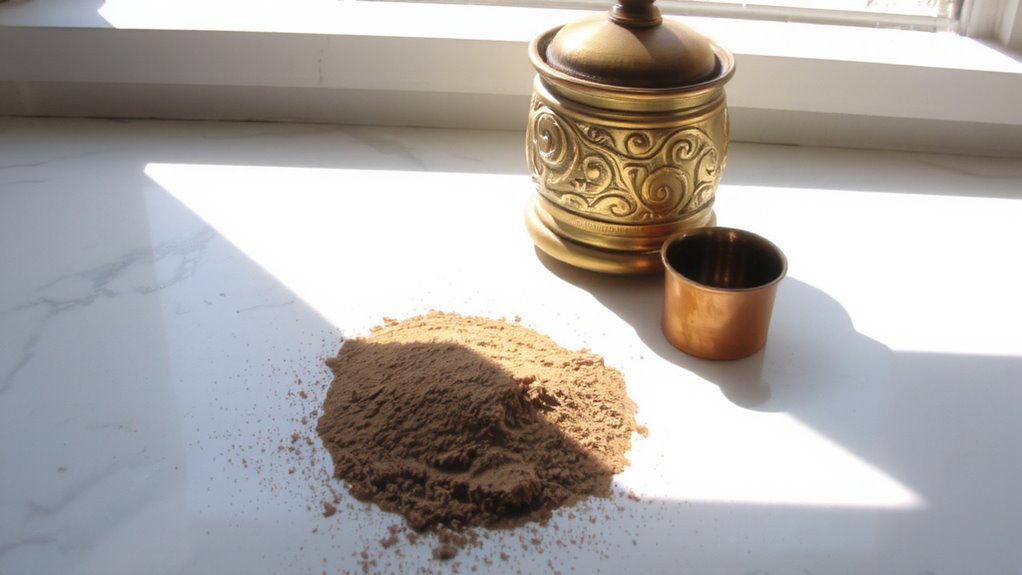
When it comes to Turkish coffee, grind size is non-negotiable: you need a fine, powdery consistency, almost like flour. To achieve this, you need the right grinder-specifically, a burr grinder. Blade grinders won’t cut it; they produce uneven results. With burr types, go for conical or flat steel burrs, which offer the control needed for ultra-fine grinding. Look for models like the 1ZPresso JX-Pro or Baratza Sette 270W, both known for their adjustability and finesse. Grinder materials matter too: metal burrs retain heat less than plastic and wear slower. Avoid plastic chambers-they can generate static, clumping your fine grounds. Steel or ceramic burrs paired with stainless steel housings give better consistency and durability. You’re not just buying a grinder; you’re investing in precision. Make sure it allows micro-adjustments, because even slight changes affect extraction. Choose wisely-your coffee depends on it. For a comprehensive overview, check out the best Turkish coffee grinders available on the market today.
Adjust for a Powder-Fine Turkish Coffee Grind
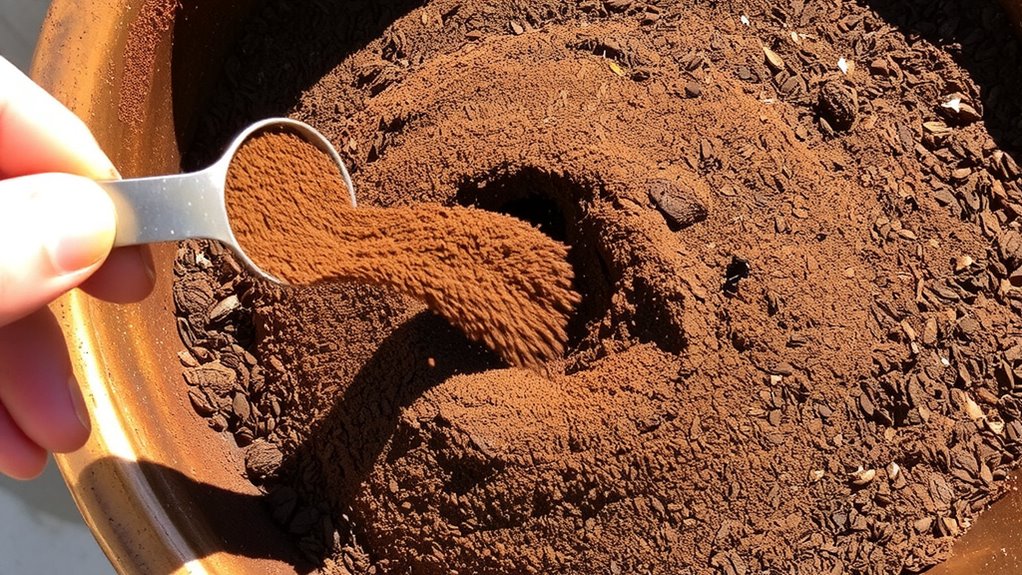
You’ll need to dial in your burr grinder to the finest setting possible to get that true Turkish coffee consistency-think baby powder, not table salt. Achieving this ultra-fine grind depends on both your grinder’s capabilities and the bean’s characteristics. Bean density plays a key role: denser beans like Ethiopians may require slight adjustments to avoid clumping, while softer beans might powder too easily. Match the grind to your intended water temperature-cooler water slows extraction, so a finer grind compensates slightly. Always confirm your grinder allows micro-adjustments; models like the 1Zpresso JX-Pro or Baratza Sette 270Wi excel here. For the most consistent results, consider investing in one of the top-rated coffee and espresso grinders known for precision at ultra-fine settings.
Grind Beans Immediately Before Brewing
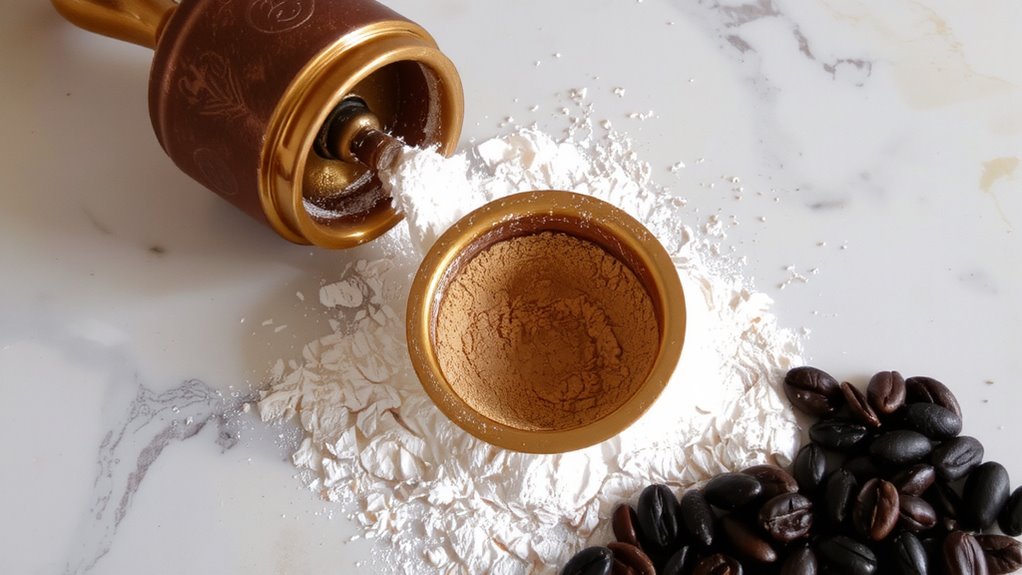
Though freshness matters most with any coffee, it’s non-negotiable with Turkish-the moment beans are ground, they start losing aroma and volatile compounds critical for full flavor. You need maximum freshness retention, which only comes from grinding right before brewing. Pre-ground coffee, even stored well, suffers rapid flavor degradation due to oxidation and moisture exposure. For Turkish coffee, where nuance and balance are key, that loss is unacceptable. Your grinder should be capable of a true ultra-fine powder, and you should use it just seconds before adding water. Blade grinders can work but offer less consistency; burr grinders, especially manual ones like the 1ZPresso Q2 or electric like the Baratza Virtuoso+, give better, more reliable results. Delaying brewing after grinding, even by minutes, dulls the aroma and weakens the cup. For authentic strength and complexity, grind immediately-it’s the only way to preserve what makes Turkish coffee unique. A best coffee grinder ensures the precision and consistency needed for achieving the ideal ultra-fine texture in Turkish coffee.
Avoid These Turkish Coffee Grinding Mistakes
Getting the grind right means more than just timing-it’s about avoiding common errors that undermine even the freshest beans. You risk poor extraction and off-flavors if you make avoidable mistakes like incorrect storage or overheating beans during grinding. Store beans in an airtight container away from light and moisture-never in the fridge or near the stove. Preheat your grinder in short bursts to avoid overheating beans, which can cook delicate oils and ruin aroma.
| Mistake | Solution |
|---|---|
| Incorrect storage | Use sealed containers, cool place |
| Overheating beans | Grind in short pulses |
| Dull blades | Use ceramic or hardened steel |
| Inconsistent grind | Choose burr over blade grinders |
| Grinding too early | Do it right before brewing |
Why Turkish Coffee Needs a Unique Grind
The grind is the foundation of a good Turkish coffee-it’s not just fine, it’s flour-like, and getting it right makes or breaks the final cup. You need particles so fine they resemble powdered sugar, allowing full suspension in water and proper crema formation. Standard grinders often can’t achieve this texture, so a dedicated Turkish burr grinder like the Baratza Virtuoso+ or a manual ceramic mill is ideal. Bean origin matters-dense beans from Ethiopia or Colombia hold up better to extreme grinding without turning oily. The roast level also affects grind performance; medium-dark roasts offer solubility and aroma without excessive brittleness. Light roasts may resist fines, while overly dark ones clog grinders. With the right grind, water extracts evenly during the slow boil, delivering balance. Skip this step, and even the best beans won’t save your brew.
On a final note
Grind your beans fresh with a burr grinder, like the Baratza Encore or 1ZPresso JX-Pro, set to the finest setting-closer to powder than sand. Blade grinders work in a pinch but offer uneven results. Aim for a consistency like powdered sugar; too coarse weakens flavor, too fine risks bitterness. Use the coffee immediately after grinding to preserve aroma and oils. This fine, fresh grind is essential for authentic Turkish coffee’s rich body and foam.