Psychological Biases Observed When Blind-Tasting Identical Coffee From Two Grinder Types
You might taste brighter, cleaner coffee from a pricier grinder-even when the beans are identical-because price, sound, and design shape your expectations. Your brain filters flavor based on bias, not just chemistry. High-end grinders *do* produce more uniform particles, but studies show people rate the same coffee differently based on belief alone. Blind tasting helps you cut through the noise. There’s more to uncover about how your mind shapes your morning cup.
Notable Insights
- Confirmation bias leads tasters to perceive better flavor from a grinder they believe is superior, even with identical coffee.
- Price-driven expectations cause people to rate coffee as tastier when they think it came from an expensive grinder.
- Aesthetic design and grind sound can create false expectations of freshness and brightness in the coffee’s taste.
- Blind tasting reduces bias by hiding grinder identity, revealing that perceived differences often lack sensory reality.
- Uniform particle size from burr grinders improves extraction, but perception of quality is often influenced more by belief than taste.
Why the Same Coffee Tastes Different on Different Grinders
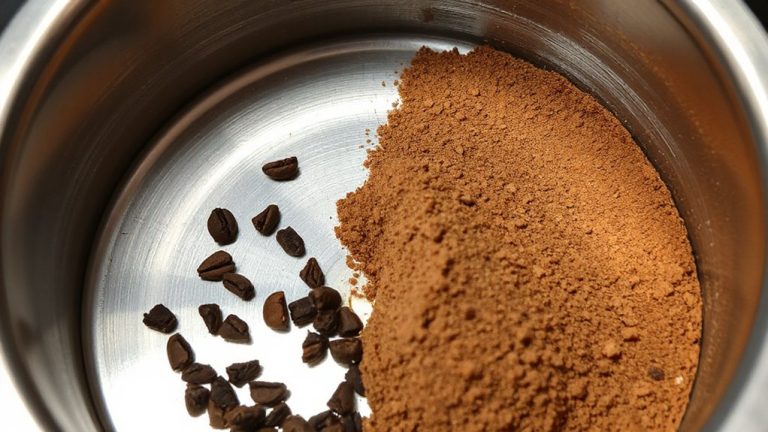
Your coffee’s taste isn’t just shaped by the bean or roast-it’s heavily influenced by how evenly your grinder breaks down the grounds. Inconsistent grind consistency leads to uneven extraction, where some particles over-extract and others under-extract, muddying flavor. Burr grinders, like the Baratza Encore or Timemore C2, deliver more uniform particle distribution than blade grinders, which chop beans randomly. A tight particle distribution means water flows evenly through the coffee, pulling out balanced notes. If your grinder produces fines and boulders-tiny particles alongside large chunks-your espresso or pour-over will taste off, no matter the beans. High-end grinders reduce this spread, but even mid-range models outperform cheap alternatives. You’ll notice sweeter, clearer flavors with better grind consistency. Upgrading your grinder often has a bigger impact than switching beans. For reliable results, prioritize machines that guarantee uniform particle distribution-it’s the foundation of great coffee. Expert baristas often choose grinders based on best coffee grinders for baristas to ensure peak performance and flavor accuracy.
How Expectation Distorts Coffee Taste
Even if you use the exact same beans and brew method, the way you expect a coffee to taste can reshape your actual experience of it. If you believe a grinder produces superior particles, you’re more likely to perceive cleaner, brighter flavors-even when the coffee is identical. That’s confirmation bias in action: your brain latches onto expected qualities and filters sensations to match. Sensory suggestion plays a role too-just mentioning “smooth caramel” or “zingy acidity” primes you to detect those notes, regardless of reality. In blind tests, tasters often rate the same coffee differently based solely on what they’re led to believe. This isn’t dishonesty; it’s how perception works. Being aware helps you evaluate gear more fairly. Use blind tastings regularly to bypass assumptions and judge grinders-or any equipment-by actual performance, not hype or branding.
How Price Changes What You Taste
Price can quietly reshape your perception of a coffee’s quality, much like expectations about gear or flavor descriptions. You’re likely to believe a $20 bag tastes richer or more complex than a $12 one-even if they’re identical. This is price perception in action: higher cost signals higher value, altering your experience before the first sip. Studies confirm this sensory deception, showing people consistently rate pricier wines, chocolates, and coffees as tastier, regardless of actual quality. Your brain uses price as a mental shortcut, filling in flavor gaps with assumption. For coffee lovers, this means you might overlook affordable beans or chase expensive ones unnecessarily. A practical fix? Blind-taste similar coffees labeled only by number. You’ll often find the cheaper option performs just as well. Recognizing price-driven bias helps you spend wisely and focus on real differences-freshness, roast date, origin-rather than marketing or markup.
Why You Taste What You Believe About Your Grinder
What if the reason your espresso tastes better after buying a new grinder isn’t just the grind quality-but your belief in it? Your mind can trick your taste buds through confirmation bias. Once you invest in a high-end grinder, you expect better flavor, so you perceive improvements even when there are none. This mental shortcut leads to sensory deception, where what you believe shapes what you taste. Studies show people often rate identical coffee as richer or smoother when told it came from a premium grinder. It’s not magic-it’s psychology. Blind tastings reveal most can’t consistently distinguish grinders when they don’t know which they’re using. That doesn’t mean grinder quality doesn’t matter, but your perception may overstate the difference. Stay aware of this bias when evaluating gear. Let objective testing, not just first impressions, guide your upgrades. For those exploring equipment upgrades, reviewing the top picks can provide a balanced perspective grounded in performance data.
How Grinder Sound and Look Fool Your Taste Buds
Could the way your grinder looks and sounds actually change how your espresso tastes? Yes, because your brain uses grinder aesthetics and sound perception to form expectations. A sleek stainless steel grinder may suggest precision, leading you to expect cleaner flavors, even if the coffee’s identical. Similarly, a sharp, high-pitched grind noise often tricks your brain into believing the beans are fresher or more evenly ground. In blind tests, people consistently rate coffee from noisier grinders as brighter or more acidic-despite no actual difference in brew. This isn’t about specs; it’s about sensory crossover. Your ears and eyes influence your taste buds. So, when comparing grinders like the quiet, minimalist Timemore Kalita vs. the loud, industrial EK43, remember: you’re not just judging performance. You’re battling bias shaped by design and noise.
How to Taste Coffee Without Bias
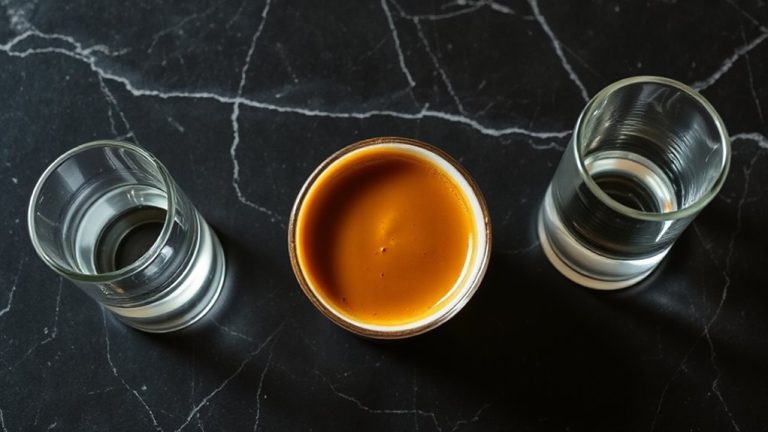
You can’t eliminate bias completely, but you can reduce its influence with a few deliberate steps. Start with blind tasting-hide labels and brewing gear so expectations don’t shape perception. Use identical cups, water, and brewing methods to keep variables consistent. This way, you’re evaluating flavor, not branding or machinery. Sensory calibration helps, too. Taste known references-like filtered water, black coffee, or plain crackers-before and between samples to reset your palate. Avoid strong scents or flavors before sessions. Do this with a partner to randomize samples and prevent unconscious cues. It’s not about fancy gear-it works with a V60, a French press, or an espresso machine. Blind tasting may reveal your favorite grinder isn’t the best performer. Let results, not assumptions, guide your choices. Data over drama every time.
On a final note
You might taste differences between grinders even when the coffee is identical, but it’s often your expectations, not the grind. Price, sound, and design can trick your brain. To judge fairly, blind-test with consistent brew settings. Focus on results, not specs or brand stories. A $200 grinder isn’t always better than a $100 one-your palate, not marketing, should decide what works.