Exploring Artisan Repair Networks Keeping Vintage Lever Grinders Operational
You depend on your vintage La Pavoni or Gaggia for consistent grinds, but aging steel, worn cams, and tired springs degrade performance over time. Expert artisans restore these machines using period-correct methods, hand-fitting parts and sourcing or fabricating rare components like brass burrs or lever arms. Networks like Home-Barista or shops such as Pullman Precision connect you with technicians who balance authenticity and usability. They preserve patina, guarantee proper seal and pressure, and use original specs-so your grinder works like new without losing its soul. You’ll see how these restorations extend far beyond simple fixes.
Notable Insights
- Artisan repair networks combine historical expertise and precision engineering to restore vintage lever grinders to functional authenticity.
- Technicians use vintage schematics or reverse engineering to hand-fit components, ensuring original tolerances and reliable performance.
- Community-driven forums and specialty shops connect users with certified technicians experienced in 1940s–1970s grinder mechanisms.
- Rare parts are sourced through salvage, trade-ins, or custom fabrication using period-correct materials like brass and stainless steel.
- Restorations typically cost $150–$400, offering long-term value through durability, mechanical simplicity, and reduced need for replacement.
Why Vintage Lever Grinders Need Expert Repair
Time waits for no machine-especially not for vintage lever grinders from the 1950s and 60s. You’re dealing with aging steel, worn cams, and brittle springs that affect grind consistency. Without expert repair, these flaws only worsen, ruining your coffee prep. But it’s not just function-patina preservation matters. Enthusiasts value original finishes and aged character, so heavy refinishing kills collector appeal. Expert repair keeps that charm intact. Mechanical authenticity is just as critical. Replacing parts with modern substitutes may improve output but undermines the grinder’s true nature. A skilled fix maintains the mechanism works as intended, using period-correct methods and materials. You get reliable performance without sacrificing heritage. For daily use or display, maintaining authenticity means respecting design intent. That balance-between usability and integrity-is why generic fixes fall short. Trusting specialists preserves both performance and legacy. Choosing the right restoration approach can make all the difference, and consulting a best vintage coffee grinder guide helps identify models most worth preserving.
Meet the Specialists Who Restore Vintage Lever Grinders
You won’t find these repairs at a standard appliance shop-vintage lever grinders demand a rare mix of precision, historical knowledge, and mechanical patience. You’re dealing with machines from the 1940s to 1970s, where each part reflects both coffee history and old-world engineering. Specialists hand-fit components, often fabricating them using vintage schematics or reverse-engineering worn pieces. These technicians aren’t just mechanics-they’re historians who understand how tool innovation shaped espresso culture. They restore La Pavonis and Gaggias to working order, matching original tolerances so portafilters seal correctly and pressure stays consistent. They’ll replace brass burrs, rechrome rams, or recalibrate springs-small jobs with big impacts. Most work solo or in small workshops, relying on decades of experience. Their fix isn’t about nostalgia; it’s about preserving performance that modern mass production often overlooks. You depend on their skill to keep these grinders alive and functional.
Where to Find Trusted Vintage Lever Grinder Repair Technicians?
Where do you turn when your vintage lever grinder needs expert hands? Start with community forums like Home-Barista or Reddit’s coffee groups-users often share firsthand repair experiences and technician recommendations. These discussions highlight who’s reliable, what to expect, and common pitfalls. From there, contact specialty shops such as Pullman Precision or 1Zpresso, which sometimes service or recommend certified technicians familiar with older models. Not every shop handles vintage gear, so confirm experience with lever mechanisms before shipping your grinder. Some techs work independently but list services through these channels. While community forums offer broad insight, specialty shops provide targeted support-both are essential. Response times vary, and costs differ by complexity, so get quotes early. Trust builds slowly, so start with small repairs. Verify warranties, turnaround times, and whether parts are modified or original-spec. Enthusiasts often seek out best antique coffee grinders for their durability and craftsmanship when sourcing replacement parts or restoration inspiration.
How Rare Parts Are Sourced for Vintage Lever Grinder Repairs
When a vintage lever grinder’s critical part is long out of production, your best bet is often a mix of specialist suppliers and precision fabrication. You’ll rely on custom fabrication for components like broken lever arms or worn cam gears, where skilled machinists use original specs to remake parts in brass or stainless steel-durable, accurate, but sometimes costly. For more common failures, like chipped burrs or missing knobs, salvage operations are key: technicians dismantle non-working grinders from estate sales or trade-ins, testing each piece for reuse. Some repair networks maintain parts inventories from models like the Vibever or Nuova Simonelli, increasing hit rates. While fabricated parts offer longevity, salvaged ones cut cost and waste. You should expect wait times if a part needs machining, but many shops keep high-demand items in stock. Either way, sourcing rare parts hinges on access to tools, donor units, and technical know-how-resources tight-knit repair communities specialize in.
What a Vintage Lever Grinder Restoration Costs (And What You Gain)
Restoring a vintage lever grinder typically runs between $150 and $400, depending on wear, model, and parts availability-costs that reflect labor, sourcing, and reassembly precision. You’re paying for skilled hands and hard-to-find components, but you also gain exceptional material quality; these grinders were built with durable metals and craftsmanship long gone from mass-produced models. That durability means long term savings-fewer replacements, fewer breakdowns. While a modern grinder might cost less upfront, it often can’t match the build or grind consistency of a fully restored E65 or Grinta. Plus, vintage levers don’t rely on electronics, reducing failure points. You’re not just buying a tool-you’re investing in decades of reliable use, assuming proper care. The restoration cost is justified if you value performance, longevity, and mechanical simplicity over convenience or trends.
Maintaining Your Vintage Lever Grinder for Decades
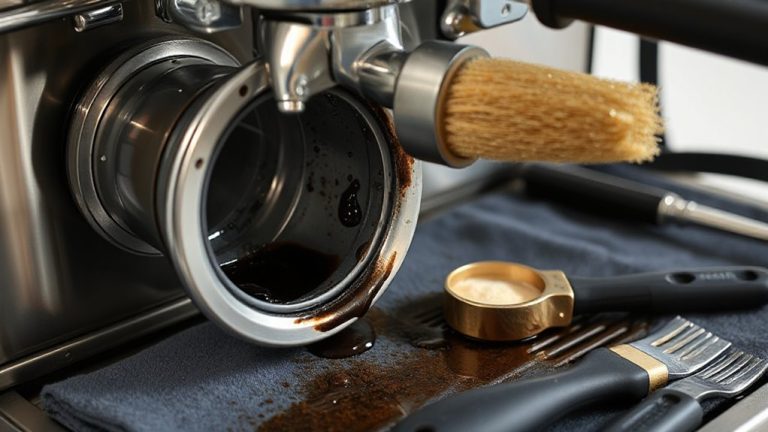
A little regular upkeep goes a long way in keeping your vintage lever grinder running smoothly for decades. Daily maintenance-like brushing out coffee oils and wiping the burrs-prevents buildup that can dull performance. Don’t skip cleaning the chute and adjusting grind settings after each use; it takes less than a minute but preserves consistency. For long term care, inspect the burrs every few months for wear or wobble, especially if you grind daily. Check the spring tension and lever action-tighten or replace parts before slippage affects grind quality. Store your grinder in a dry place to prevent rust on chrome plating or cast iron components. Use only whole beans; pre-ground or oily beans gunk up internal parts. A well-maintained grinder benefits from using a dedicated coffee grinder cleaning brush to remove stubborn residue and extend the life of critical components. These steps won’t restore a damaged grinder, but they’ll extend its life far beyond typical wear. With care, a well-made vintage grinder still delivers precise results decades later.
On a final note
You’ll keep your vintage lever grinder running longer with help from skilled technicians who know these machines. They source rare parts and restore functionality without overcharging. A proper repair costs $100–$300, depending on wear. Regular cleaning and lubrication prevent most issues. Unlike modern grinders, these hold value and grind consistently when maintained. If you rely on it daily, service it yearly.