The Rise of Specialty Coffee Culture in the 21st Century
You’re drinking better coffee now because specialty roasters focus on quality from farm to cup, using single-origin beans with distinct flavors like citrus or chocolate. The third wave movement treats coffee like wine, favoring light roasts, direct trade, and gear like the Kalita Wave for clarity. Baristas use precise techniques to highlight each bean’s profile, while transparent sourcing supports fair pay and sustainability-there’s more to how this culture shapes your daily brew than you might think.
Notable Insights
- Specialty coffee emphasizes quality from bean to brew, highlighting single origins and distinct flavor profiles like citrus or chocolate.
- The third wave movement treats coffee like wine, focusing on terroir, micro lots, and lighter roasts to preserve nuanced flavors.
- Farm-to-cup transparency ensures traceability, with direct trade improving farmer pay and providing detailed origin information.
- Precision brewing methods like pour over, Aeropress, and espresso highlight clarity, balance, and unique characteristics in each cup.
- Skilled baristas and vibrant coffee communities elevate standards through training, competitions, and educational events in urban cafes.
What Sets Specialty Coffee Apart?
While regular coffee might get you through the morning, specialty coffee offers a noticeably better experience by focusing on quality at every step-from bean to brew. You’ll notice the difference starts with single origin beans, sourced from specific farms or regions known for ideal growing conditions. These beans retain distinct flavor profiles-think citrus, chocolate, or floral notes-shaped by soil, altitude, and climate. Unlike generic blends that mask inconsistencies, specialty coffee highlights clarity and balance. Roasters treat each batch with care, using precise methods to bring out its best characteristics. When brewing, use a pour-over or French press to fully appreciate the nuanced flavors. Freshness matters-grind just before brewing and use filtered water. This attention to detail gives you a cleaner, more complex cup. It’s not just about caffeine; it’s about tasting where and how the coffee was grown, and understanding what makes each cup unique.
How the Third Wave Redefined Coffee Quality
You already know that specialty coffee highlights quality through origin-specific beans and precise roasting, but the movement behind those standards-known as the third wave-shifted how people think about coffee altogether. It treated coffee like wine, emphasizing terroir, varietal, and harvest methods. You started seeing micro lots-small, carefully harvested batches from a single farm area-that brought unique flavors you couldn’t find in mass-market blends. Roasters began using lighter profiles to preserve nuance, not just roast to darkness. They also embraced direct trade, cutting out middlemen to buy straight from farmers, ensuring better pay and bean traceability. This focus raised quality standards across the board. You could now taste the difference between a washed Ethiopian Yirgacheffe and a natural-processed Gesha. Equipment evolved too-devices like the Kalita Wave or AeroPress became common, helping you extract cleaner, more precise cups at home. The third wave didn’t just sell better coffee-it taught you how to value it.
How Farm-to-Cup Transparency Shapes Ethical Coffee
Because you can now trace a coffee’s journey from farm to cup, it’s easier to make ethical choices that support both quality and fairness. Direct trade plays a key role-by cutting out middlemen, roasters buy straight from farmers, often paying higher prices that improve growing conditions. This model fosters consumer trust, as transparent sourcing means you know exactly where your beans come from and who benefits. Look for roasters who publish farm names, harvest dates, and pricing details. While not all brands use direct trade-some rely on fair trade certifications-the transparency it offers is unmatched. You’ll likely pay a bit more, but that cost supports sustainability and accountability. Always check for roast dates and origin info on packaging. When transparency is clear, you’re not just buying coffee-you’re supporting an ethical supply chain that values people and quality.
Brewing Methods That Define the Movement
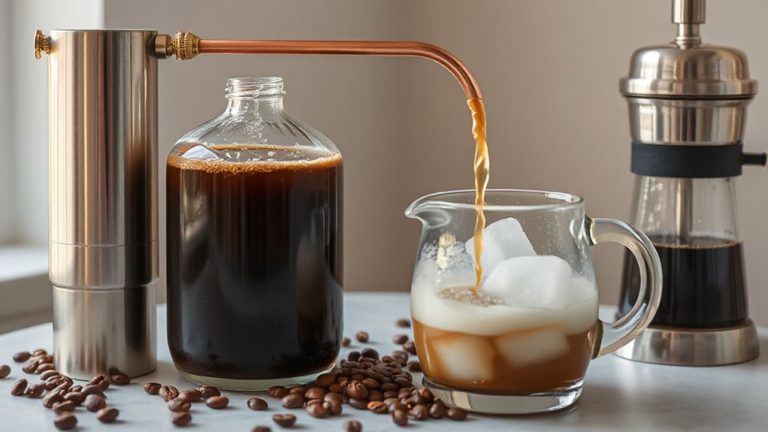
When it comes to specialty coffee, how you brew matters just as much as where the beans come from. You’ve got choices, and each method brings out different traits in the beans. Pour over gives you clarity and brightness, ideal if you like nuanced flavors. Cold brew, on the other hand, delivers smooth, low-acid coffee perfect for iced drinks or sensitive stomachs. Best pour-over coffee makers can elevate your brewing experience with precision and consistency. Below is a quick comparison of five popular brewing methods:
| Method | Best For |
|---|---|
| Pour over | Bright, clean cups |
| Cold brew | Smooth, chilled servings |
| French press | Full body, bold notes |
| Aeropress | Versatility, portability |
| Espresso | Intensity, milk bases |
Each has pros and trade-offs-pick based on your time, taste, and tools.
How Baristas Elevate Coffee Culture
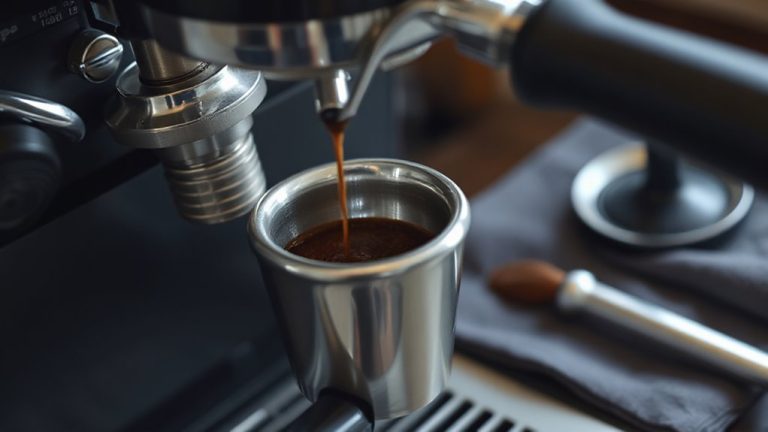
Crafting a great coffee experience goes beyond the beans and the brewer-it’s the barista’s skill that brings the entire process to life. You rely on their precision in grinding, tamping, and timing to extract balanced shots. Their trained palate detects subtle notes, ensuring consistency cup after cup. Artistic latte art isn’t just decoration-it’s proof of proper milk texture and pour control, skills refined through repetition. Many baristas train for years, sharpening technique and deepening knowledge of origin, roast, and brewing variables. Competitive barista events, like the World Barista Championship, push standards higher, showcasing speed, accuracy, and sensory expertise. These events spotlight best practices, influencing training programs and café operations globally. You benefit directly: better extraction methods, clearer drink specifications, and improved equipment use become industry norms. Baristas don’t just serve coffee-they advance it, turning daily service into measurable craft. Top-tier performances often rely on barista competition equipment chosen for precision and reliability.
How Coffee Communities Are Building Connection in Cities
Coffee shops have become more than just places to grab a caffeine fix-they’re hubs where people meet, work, and exchange ideas. You’ll find that urban cafes are shaping social connection in cities by offering consistent spaces for interaction. These cafes host community events like coffee tastings, latte art workshops, and local artist showcases, helping bring neighbors together. Events like weekly open mics or barista-led brewing demos give you a chance to learn while building relationships. Urban cafes often partner with nearby businesses or nonprofits, increasing their impact. Unlike larger chains, specialty coffee shops focus on engagement, not just transactions. You benefit from real interaction and skill-building-whether you’re learning to use a pour-over or discussing grind settings. These spaces thrive when you participate, so show up, ask questions, and get involved. Community grows best when you’re part of it. In Oklahoma City, vibrant coffee culture is evident in locally owned spots like Best Coffee Shops in Oklahoma City, where community and quality roast meet.
On a final note
You now see how specialty coffee values quality, transparency, and skill. From precise brewing methods like pour-over and AeroPress to ethical sourcing, every step matters. Baristas and local cafes help connect you to better beans and practices. If you want fuller flavor and fairer practices, focus on roast dates, bean origin, and brewing consistency. Simple gear, like a burr grinder and gooseneck kettle, makes a real difference-start there.