Selecting Single Origin Coffee Beans: A Comprehensive Guide for Baristas
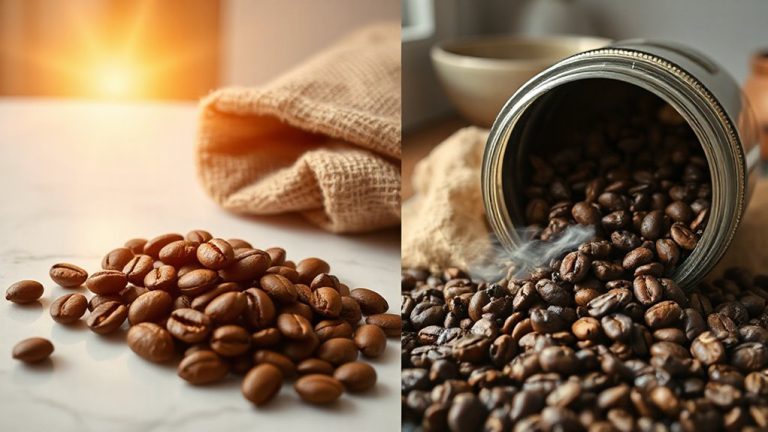
Choose single origin beans to highlight unique flavors from specific farms and regions, like citrus in Kenyan pour-overs or floral notes in Ethiopian espresso. Look for recent harvest dates, clear processing methods, and varietals like Gesha or Caturra on the label. Match light roasts to pour-over for brightness, medium for drip, and dark for espresso. Pick transparent, small-batch roasters like Onyx or Stumptown. Taste test over several days to check consistency-your method changes the results.
Notable Insights
- Choose single origin beans with clear origin, harvest date, and processing method to ensure freshness and flavor transparency.
- Prioritize high-altitude beans from regions like Ethiopia or Colombia for brighter acidity and complex, layered flavor profiles.
- Match roast level to brewing method: light for pour-over clarity, medium for balance, dark for espresso boldness.
- Select beans from transparent, direct-trade roasters who provide roast dates and varietal information for quality assurance.
- Evaluate flavor consistency by cupping the same batch over three days using standardized brewing parameters.
Why Single Origin Coffee Matters for Espresso and Pour-Over
While blends are common in both espresso and pour-over brewing, single origin beans offer a clearer picture of a coffee’s unique characteristics, which really matters when you’re trying to highlight specific flavors. You’ll notice greater flavor complexity-think bright citrus in a Kenyan pour-over or floral notes in an Ethiopian espresso. These distinct profiles come from origin authenticity, meaning the beans reflect their specific region’s soil, climate, and processing methods. When you use single origin, you’re not masking inconsistencies with blending; you’re showcasing quality. That’s ideal for pour-over, where clarity is key, and increasingly popular in espresso, especially on modern low-pressure machines. Just know: single origin can be less consistent batch to batch. If you value transparency and distinct taste over uniformity, though, it’s worth the trade-off. Aim for freshly roasted beans from reputable roasters like Stumptown or Onyx to get the best results. For those seeking top-quality options, exploring best single-origin coffees can guide your selection.
How Terroir and Altitude Shape Single Origin Flavor
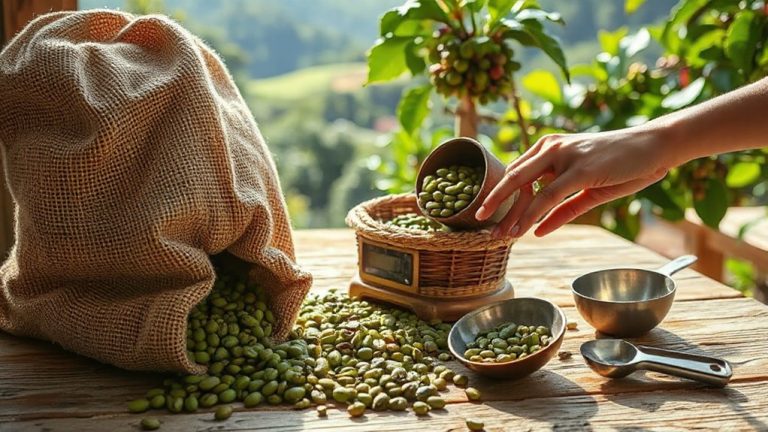
A coffee’s origin story starts with its terroir-the combination of soil, climate, and altitude that shapes its flavor from the ground up. You’ll taste the impact of soil composition directly: volcanic soils, like those in Guatemala, often yield beans with brighter acidity and complex body, while nutrient-poor soils can stress the plant, intensifying flavor concentration. Climate influence matters just as much-consistent rainfall and moderate temperatures help beans mature slowly, boosting sugar development. Higher altitudes, typically above 4,500 feet, bring cooler temps and greater temperature swings between day and night. This slows cherry growth, leading to denser beans with more pronounced acidity and layered notes. In Ethiopia’s highlands or Colombia’s Andes, altitude and terroir combine to create clean, floral, or fruity profiles common in washed and honeyed beans. You’ll find fewer earthy tones and more clarity when terroir supports slow, steady growth.
Read Bean Labels: Harvest, Process, and Varietal Explained
You already know where your coffee grows matters-altitude, soil, and climate all leave their mark on flavor. But the label tells more: harvest date, process, and varietal shape what’s in your cup. Look for recent harvests-older beans lose brightness and flavor notes fade. Processing-washed, natural, or honey-affects cup clarity and sweetness. Washed coffees tend to have cleaner profiles and sharper acidity; naturals offer bolder, fruitier notes but sometimes muddle clarity. Varietals like Gesha or Bourbon aren’t just names-they predict structure and potential. Gesha often brings tea-like elegance, while Caturra delivers balanced acidity. Reading labels right helps you anticipate body, acidity, and flavor notes before brewing. You’re not guessing-you’re using info to choose better beans. Know what each term means, and you’ll pull consistent, clear cups every time.
Match Roast Profile to Your Brewing Method
Roast level isn’t just about color-it directly shapes how your coffee tastes in the cup, and matching it to your brewing method makes a real difference. Light roasts preserve origin flavors and work best with pour-over or Chemex, where clarity matters. These beans are denser, so they need longer roast time to develop sweetness without scorching. Medium roasts balance acidity and body, fitting well with drip brewers or batch setups-they suit most people’s taste and handle bean density more forgivingly. Dark roasts, with shorter roast time and lower density, bring boldness ideal for espresso or French press, where body and crema matter more than floral notes. But don’t assume darker is stronger in caffeine-it’s the opposite. Adjust your grind: light roasts need finer settings, darks require coarser. Choosing the right roast for your method improves extraction and flavor consistency. Get this wrong, and even great beans underperform. For optimal flavor without unwanted chemicals, consider using a non-toxic coffee grinder that preserves bean integrity during grinding.
Choose Roasters That Highlight Single Origin Quality
Once you’ve matched your roast to the brew method, the next move is picking the right source-because even with perfect technique, the roaster’s choices can make or break a single origin bean’s potential. Look for roasters who prioritize bean freshness, roasting in small batches and listing roast dates on packaging. This transparency guarantees you’re serving vibrant, aromatic cups. Seek out roasters using direct trade when possible; it often means better traceability, higher bean quality, and fairer pay for farmers. While not a guarantee, direct trade relationships typically lead to more consistent and ethically sourced lots. Avoid brands without clear origin details or vague sourcing claims. Names like Onyx, Square Mile, and Stumptown are known for consistency and freshness focus. Support roasters who treat single origins with care-highlighting terroir, not masking it-so your brewing delivers exactly what the bean can offer. For reliable options delivered straight to your door, consider some of the best online coffee roasters for fresh beans.
Taste Test for Brewing Consistency
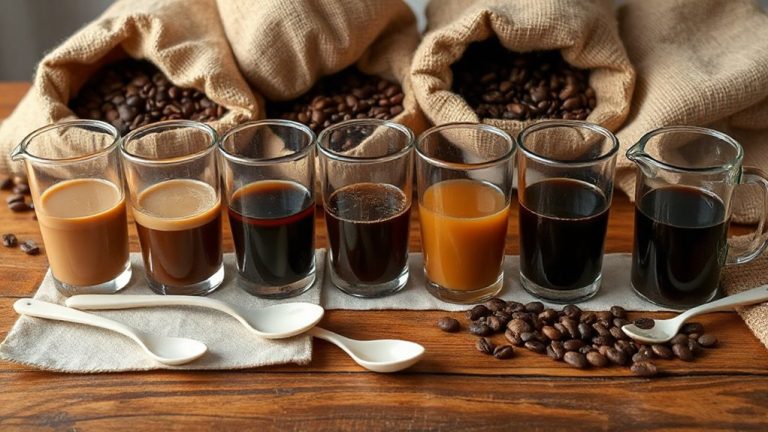
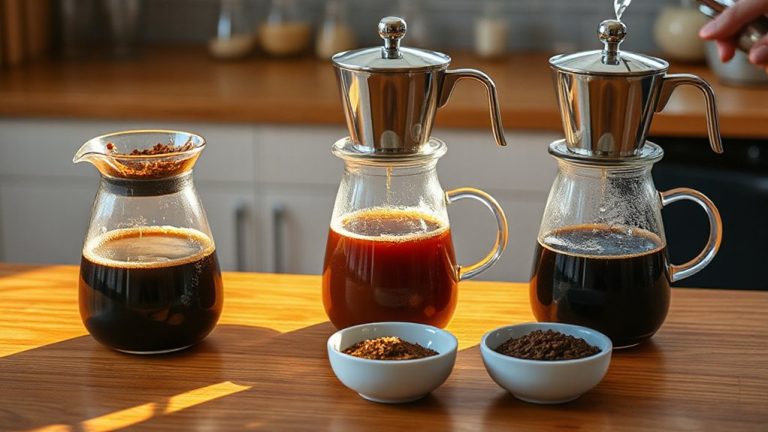
How do you know if your beans deliver the goods cup after cup? Run a simple taste test over three days, using the same brew time and water temperature each time-say, 205°F and a 3-minute pour-over. Keep your grind size consistent and note any shifts in flavor. If the coffee tastes uneven-too sour one day, flat the next-your beans may lack freshness or roasting consistency. Reputable single origin roasters should offer batch-to-batch stability. Compare results with a trusted brand like Stumptown or Onyx to benchmark performance. If your brews match in sweetness, clarity, and balance, you’ve got a winner. Consistency isn’t just about origin-it’s proof the roaster nailed the profile and you can rely on it during busy service. That reliability saves time, reduces waste, and keeps customers coming back.
On a final note
Choose single origin beans based on origin, roast, and process to match your brewing method. Light roasts work well for pour-over, bringing out bright, complex notes, while medium-dark roasts can add body to espresso. Check labels for harvest date, varietal, and processing-washed beans taste cleaner, naturals taste fruitier. Buy from transparent roasters who prioritize freshness. Always taste test your shots or brews to guarantee consistency and adjust grind or dose as needed.