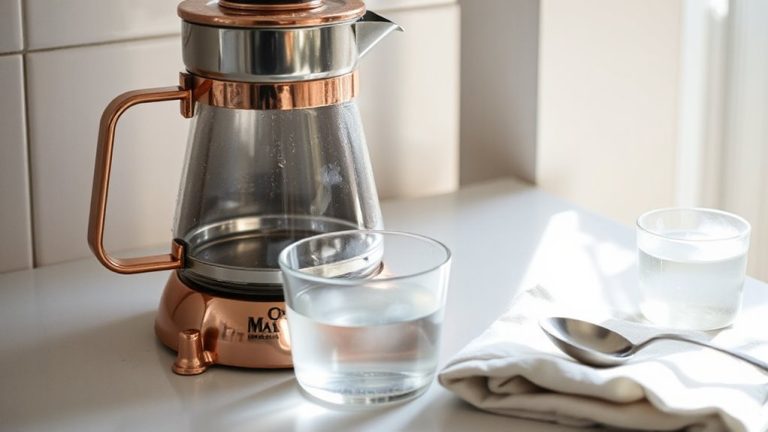
Understanding Uruguay’s Rooibos-Inspired Herbal Coffee Alternatives
You’re enjoying a caffeine-free brew that mimics coffee’s ritual using roasted rooibos, popular in Uruguay for its smooth, earthy taste and compatibility with mate culture. You can prepare it in a traditional gourd with a bombilla, just like yerba mate. It’s sweet, low in acidity, and ideal for any time of day. Find it in health stores or online, with organic options on MercadoLibre. Consider freshness and origin when choosing a blend-there’s more to discover about how it fits daily routines.
Notable Insights
- Uruguayans use roasted herbal blends like rooibos as caffeine-free coffee alternatives that mimic traditional coffee rituals.
- These herbal brews integrate into Uruguay’s mate culture, using gourds and bombillas for social, hot preparation.
- Rooibos alternatives offer smooth, sweet, earthy flavors with no bitterness or acidity, differing from regular coffee.
- They are widely available in health stores and online, though import rules can affect pricing and supply in Uruguay.
- Growing wellness trends favoring low-caffeine, plant-based drinks are driving popularity among health-conscious Uruguayan consumers.
What Is Rooibos-Inspired Herbal Coffee in Uruguay?
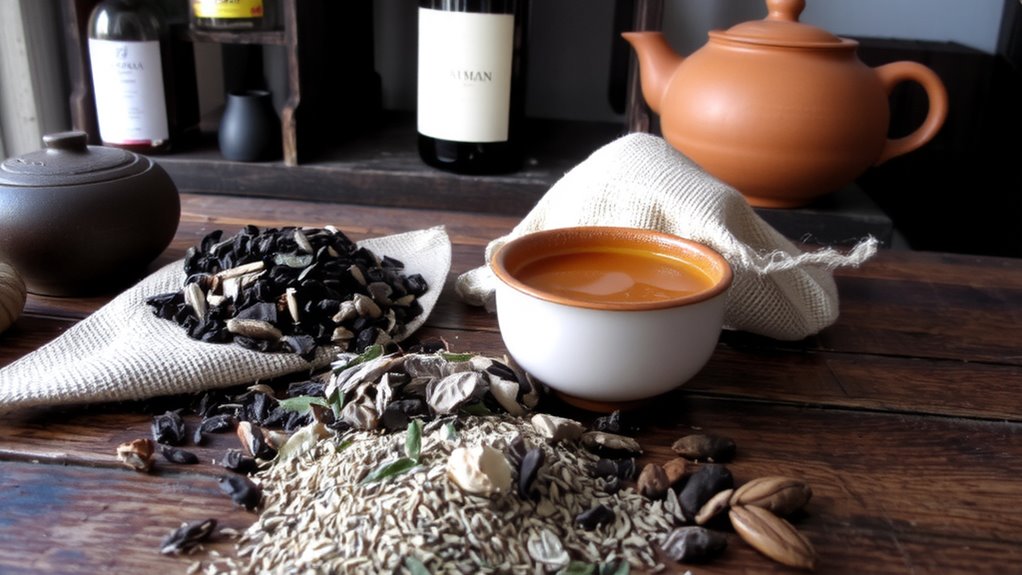
What if you could enjoy a rich, coffee-like drink without caffeine? You can-through rooibos-inspired herbal coffee in Uruguay. Though not actual coffee, it mimics the ritual using roasted herbal blends, often including South African rooibos. Its historical origins lie in indigenous Khoisan use, later adopted globally. In Uruguay, it’s adapted to match yerba mate culture-brewed strong, served hot, and sipped socially. This cultural adaptation means you’ll often use a mate gourd and bombilla, not a mug. The flavor is earthy, slightly sweet, and naturally caffeine-free-ideal for evening use. Compared to coffee, it lacks bitterness and acidity. Popular brands like Rooibos & Honey mix in herbs for complexity. For brewing, use boiling water and steep five minutes. A French press or tea infuser works, but traditional gear enhances authenticity. Consider storage-keep blends airtight to preserve freshness. It’s not coffee, but fills a similar role-practically and culturally.
Why Uruguay’s Mate Culture Loves Rooibos Coffee?
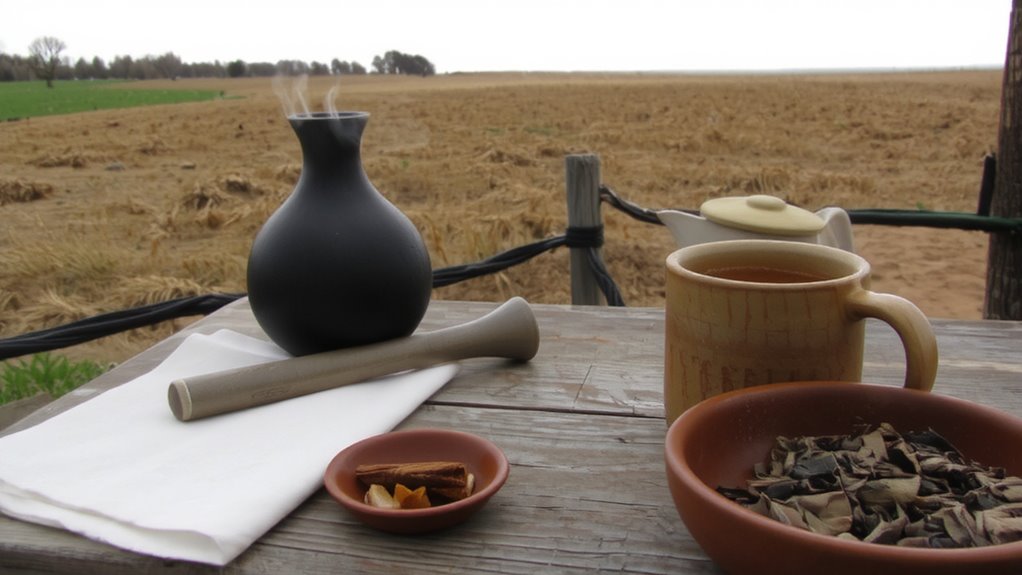
Uruguay’s mate culture embraces rooibos-inspired herbal coffee because it fits seamlessly into the country’s deep-rooted ritual of sharing mate without the effects of caffeine. You can enjoy it late in the day without disrupting sleep, making it a practical alternative to traditional yerba mate. This shift highlights a growing cultural fusion, where South African herbal traditions merge with Uruguayan customs. Flavor blending plays a key role-rooibos offers a naturally sweet, earthy base that pairs well with herbs like mint or bold spices. Unlike roasted coffee, it’s low-acid and gentle on digestion. You’ll need a standard mate gourd and bombilla, just like with yerba, so no special gear is required. While it lacks caffeine’s kick, it supports a calm, social experience. For those exploring herbal balance, rooibos fits naturally into daily routine and shared rituals.
What Does Rooibos Herbal Coffee Taste Like?
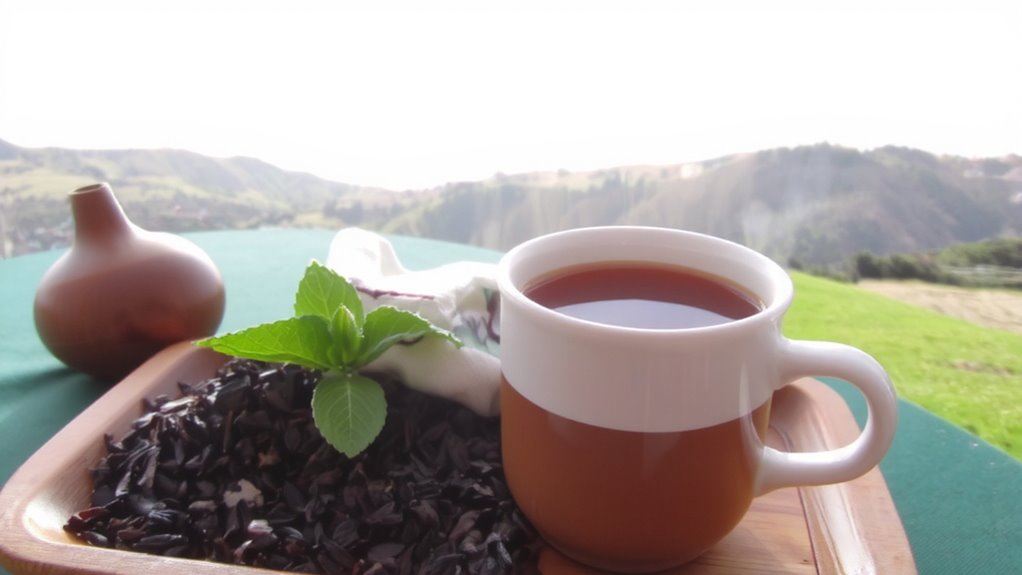
How does rooibos herbal coffee taste when brewed like traditional mate or as a loose-leaf infusion? You’ll notice a smooth, naturally sweet flavor profile with earthy undertones and a slight hint of nuttiness. Unlike regular coffee, it’s caffeine-free and won’t leave a bitter aftertaste. The aroma notes are mildly woody, with gentle touches of dried fruit and honey, especially in red rooibos. If you use a French press or gourd, you’ll extract more depth, while a simple infusion highlights its mildness. Green rooibos offers a fresher, grassier taste but less richness. It doesn’t replicate coffee’s boldness, but its balanced profile works well for daytime sipping. For best results, use freshly boiled water and steep 5–7 minutes. Avoid over-steeping unless you want stronger tannins. This makes rooibos a consistent, low-risk option for those adjusting from coffee.
Where to Buy Rooibos Coffee in Uruguay?
You can find rooibos herbal coffee in several places across Uruguay, especially as interest in caffeine-free alternatives grows. Local health food stores in Montevideo and Punta del Este often carry it, typically in the tea or specialty beverage aisle. Larger supermarkets like Tienda Inglesa may stock limited brands, but selection varies. For wider options, you’ll likely turn to online retailers-sites such as MercadoLibre or specialized wellness shops import rooibos blends directly. Keep in mind Uruguay’s import regulations, which can affect availability and pricing of foreign products. Some international brands may have delays or require customs handling. Buying in bulk online often saves cost, but check shipping times and product origin. Always verify packaging dates for freshness. Whether in-store or online, look for organic certification and clear labeling to guarantee quality.
How Wellness Trends Are Fueling Herbal Coffee Popularity?
While global wellness movements emphasize reducing caffeine and embracing plant-based diets, you’re likely noticing herbal coffee alternatives gaining traction in Uruguay. You’re not alone-growing consumer demographics, especially health-conscious urbanites and older adults seeking gentler options, are driving this shift. These groups value low-acidity, caffeine-free brews like rooibos-based blends that mimic coffee’s richness without the jitters. As demand rises, market expansion follows, with retailers and cafés now stocking more herbal options and dedicated brewing tools. You’ll find French presses and pour-over kits suited for herbal infusions, making preparation simple and consistent. While flavor complexity may not match traditional coffee, these alternatives offer smooth, earthy profiles with added antioxidants. For best results, use water just under boiling and steep four to five minutes. This trend isn’t fleeting-it’s a practical response to real wellness priorities, backed by measurable consumer and retail growth.
On a final note
You’ll find rooibos-inspired herbal coffee in Uruguay works well if you want a caffeine-free, earthy alternative with subtle sweetness. It doesn’t replace espresso but suits slow mornings or evening drinks. Popular brands like Hierbas del Uruguay and Yerba Mate Arroyo offer blends you can brew with a French press or drip machine. While flavor is milder than coffee, it’s cost-effective and shelf-stable. Consider it if you value wellness, routine variety, or need a stimulant-free option.