Anatomy of a Perfect Pull: Analyzing Espresso Extraction With Advanced Techniques
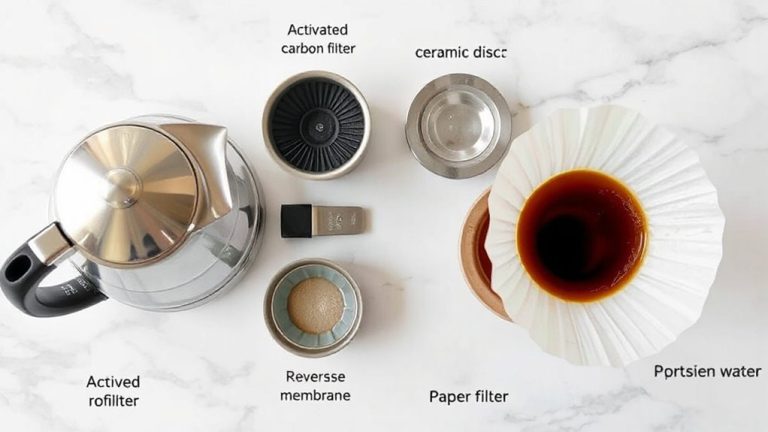
You’re controlling extraction with precise grind, dose, and tamp to guarantee even water flow. Uneven tamping causes channeling, so level pressure matters. Water quality affects flavor-use filtered or Third Wave Water. Machines like the Decent EP5 let you adjust pressure and flow rate (1.5–3 ml/sec) for better balance. Start with 92–96°C and tweak one variable at a time. A refractometer like the VST measures your results. There’s more to fine-tune than you might think.
Notable Insights
- Even tamping ensures uniform water flow and prevents channeling, which is critical for balanced extraction.
- Ideal water quality with moderate mineral content enhances flavor clarity and protects equipment from damage.
- Pressure profiling allows precise control over flavor development by adjusting pressure during the shot.
- Controlled flow rates between 1.5–3 ml/sec improve puck saturation and reduce channeling for more even extraction.
- When dialing in, adjust one variable at a time-starting with grind size-to accurately optimize extraction.
How Espresso Extraction Works
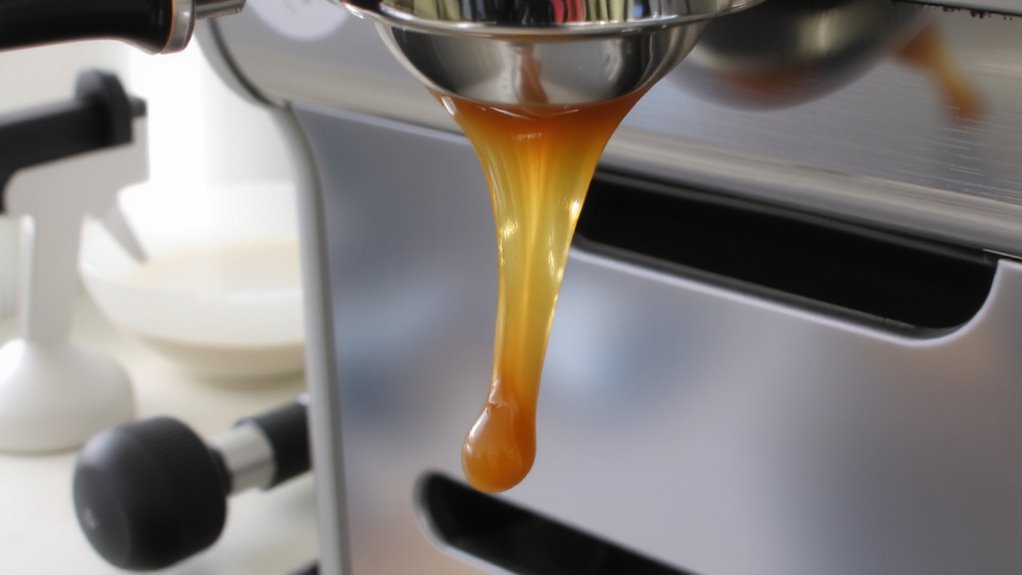
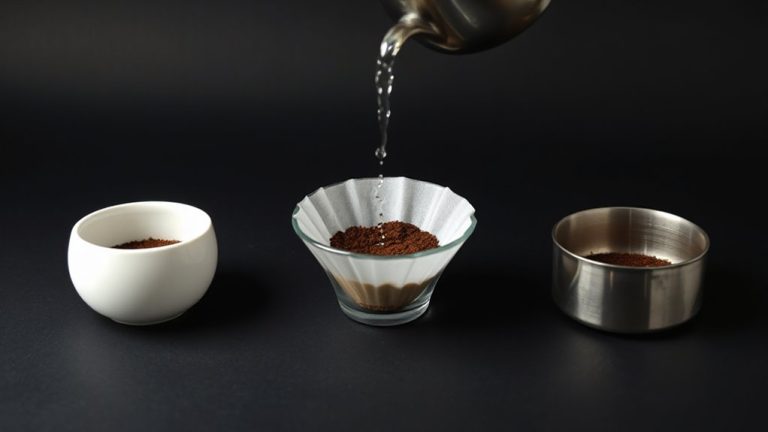
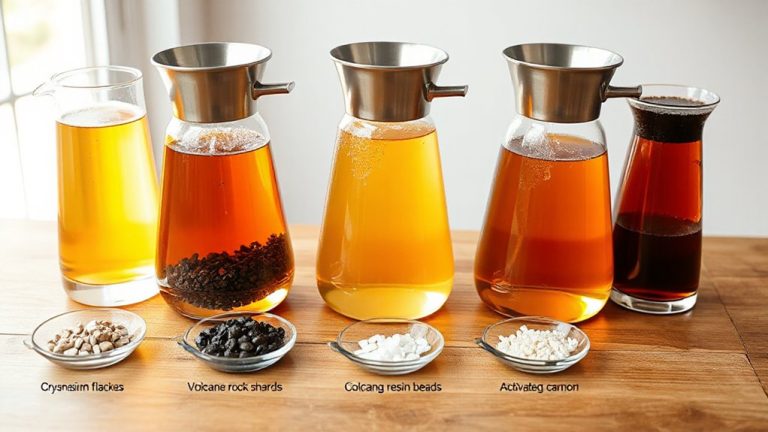
While the machine does much of the work, getting a solid espresso shot still comes down to how water interacts with your coffee grounds. Your tamping technique plays a key role-press evenly and level to guarantee water flows uniformly through the puck. Uneven tamping leads to channeling, where water takes the path of least resistance, causing under-extraction. Water quality matters just as much; hard water can clog machines and alter flavor, while soft or distilled water lacks the minerals needed to extract properly. Aim for balanced, filtered water with moderate mineral content-brands like Third Wave Water offer custom blends for this. Even with perfect grind and dose, poor water or sloppy tamping ruins clarity and body. You control these variables, not the machine. Mastering them means more consistent shots, better flavor, and fewer frustrations when dialing in. For outdoor enthusiasts, maintaining these standards is achievable with the right gear, such as a reliable portable coffee maker.
How Pressure Profiling Shapes Flavor
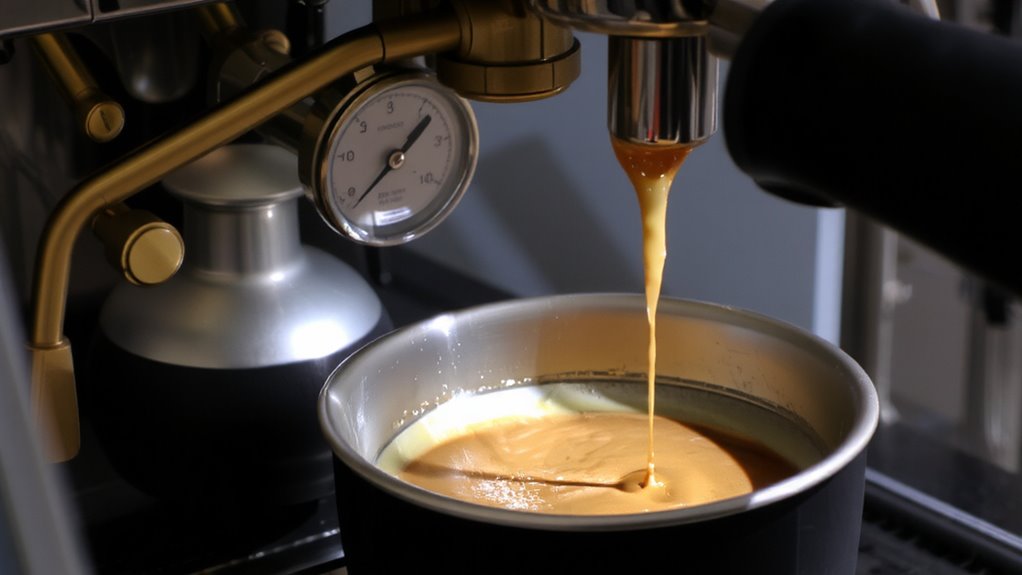
What if you could fine-tune your espresso’s flavor not just with grind size or dose, but with how hard the water hits the puck? Pressure profiling lets you do that. Machines like the Decent EP5 or Slayer let you adjust pressure during the shot, giving you control over flavor modulation. Starting low-say, 3–6 bars-helps with delicate, sweet notes and reduces bitterness. Ramping up later boosts body and intensity. Sudden changes create pressure waves that can disrupt the puck, which might extract unevenly if not managed. You’ll need a stable grinder and good technique to see consistent results. It’s not magic-some profiles work better for certain beans or roasts. But when used right, pressure profiling gives you another lever to shape flavor beyond basic settings. It’s advanced, yes, but practical for those chasing precision. For those interested in exploring this capability, reviewing the best espresso machines can help identify models with advanced pressure control features.
How Flow Rate Controls Extraction Evenness
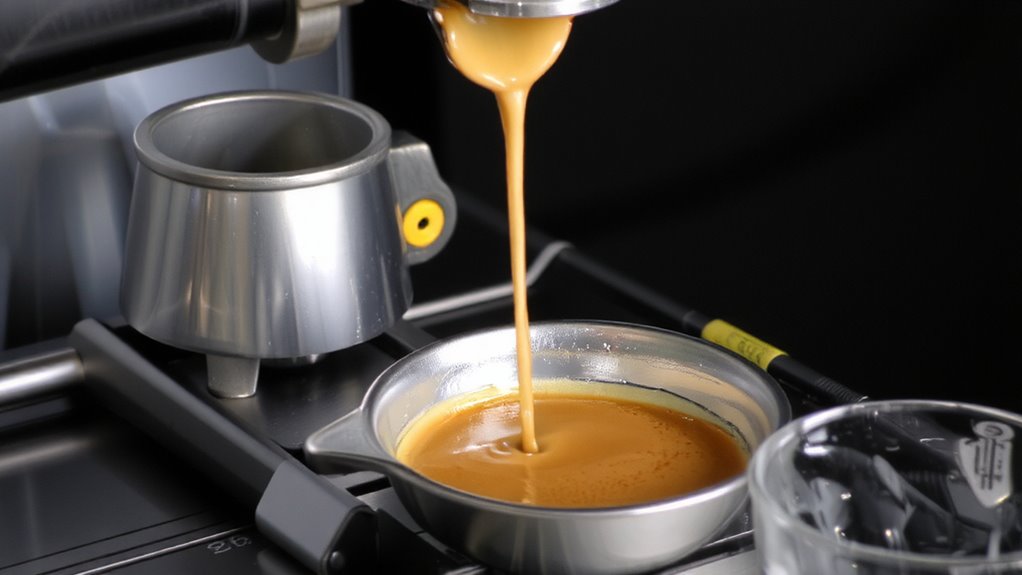
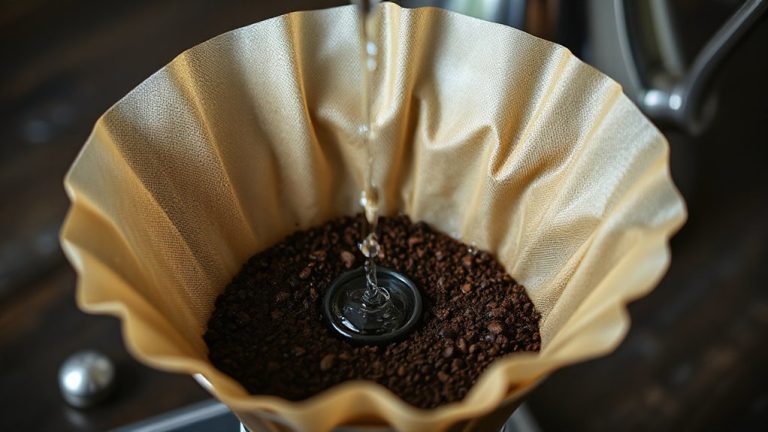
You’ve seen how adjusting pressure during a shot can shift flavor, but there’s another way to fine-tune extraction: controlling how fast water moves through the puck. Flow rate directly impacts flow dynamics, which determine how evenly water contacts the coffee. If water moves too fast, it can’t soak evenly into all the grounds, increasing the risk of channel formation-where water carves paths through weak spots, over-extracting some areas and under-extracting others. Machines with flow control, like the Decent DE1 or Beeswarm, let you set a target flow rate, often between 1.5 and 3 ml/sec, helping maintain consistent saturation. Slower initial flows improve evenness by letting water spread before building pressure. You’ll see fewer channels and better clarity in the cup. While pressure profiling targets force, flow rate management targets movement-both matter, but flow gives you finer control over extraction uniformity, especially with finicky grinds or aging beans.
Dialing In Grind, Dose, and Temperature
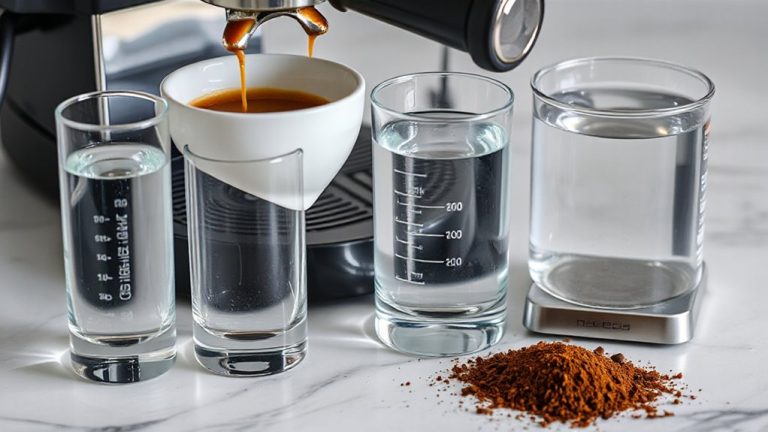
If you’re aiming for a balanced shot, starting with the right grind size is key-it’s the most sensitive variable and often the first thing you’ll tweak. A finer grind slows extraction, increasing strength and risk of bitterness; too coarse and your shot pulls fast and sour. Adjust in small steps, letting the grinder stabilize. Grind consistency matters-burr type makes a difference, with flat and conical burrs each offering pros depending on your machine. Dose next: most home baristas do well with 18–20 grams in a standard double basket. Don’t ignore water quality-unfiltered or overly hard water skews extraction and damages gear. Use filtered or third-wave water to protect machine life and boost clarity. Finally, tweak brew temperature: most shots pull cleanly between 92–96°C. Drop it slightly for bright, acidic beans; raise it for dense, dark roasts. Adjust only one variable at a time. For consistent results, choose a high-quality coffee grinder that matches your brewing style and budget.
Measuring Espresso Extraction With Refractometry
You’ll need a refractometer to measure espresso extraction accurately, and while it might seem like lab-level overkill, it’s the only tool that gives precise data on dissolved solids in your shot. It measures solubles concentration by analyzing how light bends through your espresso, giving you a TDS (total dissolved solids) reading. Start with proper refractometer calibration using distilled water to guarantee accuracy-most models need daily checks. Without calibration, your data’s useless. Devices like the VST or Atago are common, with VST designed specifically for coffee. You’ll dilute a small espresso sample, place it on the prism, and get results in seconds. Knowing your solubles concentration helps fine-tune grind, dose, or brew time. It won’t fix bad technique, but it removes guesswork. Refractometers cost $400–$800, so they’re best for serious baristas or cafes. At home, you can skip it-but if you’re chasing precision, it’s worth the investment.
On a final note
You’ve seen how pressure profiling, flow rate, and precise grind, dose, and temperature control shape extraction. Tools like refractometers give real numbers, not guesswork. Machines like the Decent EP5 or Linea Mini help you tweak these variables, while scales and grinders like the Acaia and EG-1 improve consistency. Dialing in takes practice, but the payoff is repeatable, balanced shots. Small changes make clear differences-track them, stay precise, and let the data guide you.