Maximizing Aroma Release Through Proper Selection of Metal or Ceramic Containers in Drip Coffee Processes
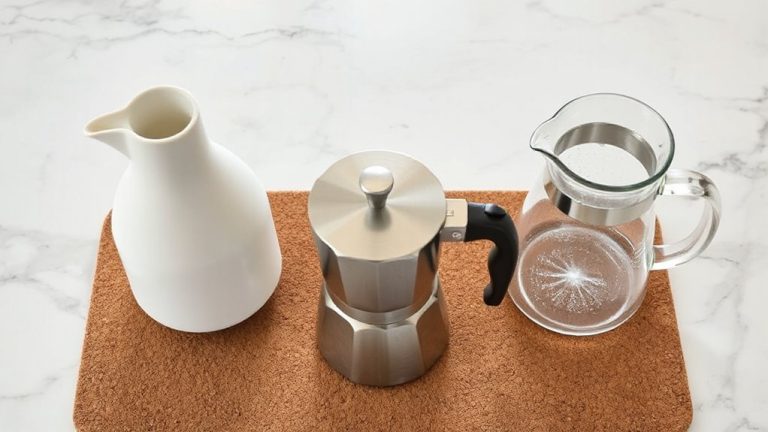
Choose ceramic for better aroma retention in drip coffee-its even heat retention and non-porous glaze preserve volatile compounds longer than metal. While stainless steel resists oxidation, it cools faster and may dull scent over time. Smooth ceramic surfaces also resist oil buildup, keeping aromas clean. For best results, preheat your carafe and serve promptly. Models like Bonavita or Fellow offer reliable thermal stability. You’ll get clearer, richer scents, especially in the first few minutes-key if you savor each pour. There’s more to how container design affects your daily cup.
Notable Insights
- Choose ceramic carafes for even heat retention, which preserves volatile aromatic compounds longer than metal.
- Select high-fired glazed ceramic to minimize porosity and prevent oxidation that degrades coffee aroma.
- Opt for stainless steel with smooth, brushed finishes to reduce oil absorption and maintain scent clarity.
- Use containers with narrow spouts and vapor barriers to limit air exposure and slow aromatic compound loss.
- Preheat both metal and ceramic carafes to stabilize temperature and enhance initial aroma release upon pouring.
How Container Material Shapes Coffee’s Smell
Your coffee’s aroma starts diminishing the moment it hits the carafe, and the material of that container plays a bigger role than you might think. Ceramic retains heat more evenly than metal, helping preserve volatile aromatic compounds longer. Its surface texture is typically smoother, reducing micro-turbulence that can scatter scent molecules. Metal, especially stainless steel, often has a finer brushed finish-this increases surface area slightly and may absorb some oils, dulling smell over time. Container geometry matters too: rounded bottoms in ceramic carafes minimize pooling, promoting even flow and better scent retention. Narrow spouts limit air exposure, slowing aroma loss. If you’re using a drip machine, choose one with a glass or ceramic-lined pot-it balances heat stability and surface smoothness. While metal is durable, its geometry and internal coating choices may compromise fragrance. For max aroma, go with non-reactive materials and smooth finishes. You’ll notice the difference right away.
How Metal Changes Heat and Aroma Release
While metal carafes are praised for durability, they alter how heat and aroma are released during serving. You’ll notice metal’s high thermal conductivity spreads heat quickly, keeping coffee hot at first but causing faster temperature drops once pouring starts. This rapid shift can trap delicate aromas instead of letting them rise freely into the air. Stainless steel resists oxidation effects better than copper or aluminum, but even small reactions over time may subtly change flavor perception. Unlike insulated travel mugs, standard metal carafes on drip machines often lack vapor barriers, allowing aromatic compounds to escape during prolonged holding. If you use metal, serve promptly to capture peak aroma. The material works well when paired with quick consumption but isn’t ideal for slow sipping or extended warming. Choose based on your routine-fast service favors metal; longer enjoyment doesn’t. Compact models with thermal carafes often improve heat retention compared to standard glass.
How Ceramic Keeps Coffee Smelling Fresher Longer
A ceramic carafe holds heat more evenly than metal, which helps preserve the coffee’s aroma over time. You’ll notice the scent stays richer longer, especially with high-fired porcelain. Its dense structure-what we call porcelain density-resists heat loss and minimizes thermal shocks that degrade volatile aroma compounds. The glaze porosity also matters: a tightly sealed, non-porous glaze prevents oxygen and moisture from slipping in, slowing oxidation that dulls smell and flavor. Cheaper ceramics may have micro-cracks or inconsistent glazing, which lets aroma escape faster. For best results, choose glazed stoneware or vitrified porcelain like those from brands such as Bonavita or Fellow. These hold stable temps and protect your brew’s nose. While ceramic won’t conduct heat like metal, its slow, even retention supports prolonged aroma preservation. Just avoid rapid temp swings. Some of the best glass carafe coffee makers also prioritize thermal stability, with models featuring double-walled glass carafe designs to minimize heat loss.
Metal vs. Ceramic: Which Releases More Aroma?
Why does your coffee smell stronger right after brewing-no matter the carafe? Because volatile aromatic compounds rise fast when hot, and both metal and ceramic initially let them escape. But surface texture plays a role: smoother ceramic resists oil buildup, preserving clarity in aroma over time, while some metal surfaces can subtly alter scent due to micro-abrasions. Ceramic also boasts high chemical inertness, meaning it won’t react with coffee oils, helping maintain original fragrance. Stainless steel, though durable and inert for most uses, has slightly less thermal stability during pouring, which can briefly affect vapor release. Neither releases moderately more aroma overall, but ceramic’s balance of smooth finish and chemical inertness gives it an edge right after brewing. You’ll notice richer scent hovering above the cup when using ceramic, especially within the first few minutes.
Choose the Right Container for Aroma and Brew Time
Since aroma peaks right after brewing and fades quickly, choosing the right container matters more than you might think. Your pick affects both aroma retention and brew cooling rate. Lightweight metal containers heat up fast but lose aroma quicker due to higher thermal conductivity. Ceramic, with its heavier container weight, retains heat longer and supports prolonged aroma release. Surface texture also plays a role-smoother interiors reduce aromatic compound absorption, preserving scent. Proper coffee bean storage helps maintain the freshness and aromatic potential of beans before brewing.
| Feature | Metal Container | Ceramic Container |
|---|---|---|
| Container Weight | Lighter, cools faster | Heavier, holds heat |
| Surface Texture | Smooth, less absorption | Smooth, low porosity |
Choose based on how long you plan to serve the coffee.
3 Simple Ways to Boost Aroma With Any Container
You’ve picked your container based on heat retention and aroma preservation, but even the best vessel won’t maximize aroma on its own. Start by using freshly ground beans-aroma degrades fast after grinding. Pour immediately after brewing to trap volatile compounds. Container color matters: darker shades absorb more heat, helping maintain temperature, while lighter ones reflect heat but may cool faster. A well-designed lid improves containment; choose one with a small steam vent to let pressure escape without losing aromatic oils. Lid design should allow a near-seal but not fully lock in steam, preventing condensation drip. Preheat your container with hot water for 30 seconds before brewing-this stabilizes internal temperature. Avoid leaving coffee sitting too long, even in ideal conditions. These steps work whether you use ceramic, stainless steel, or coated metal. Simple habits make the biggest difference in aroma delivery.
Mistakes That Ruin Coffee’s Aroma by Container Type
While the right container can preserve your coffee’s aroma, using it wrong could ruin the experience before you take your first sip. With metal containers, especially aluminum, the oxidation rate increases if the surface is scratched or uncoated, degrading volatile compounds fast. You might not realize how much aroma you’re losing in just minutes. Stainless steel is better, but only if it’s vacuum-sealed-otherwise, air exposure speeds up oxidation. Ceramic seems safe, but porous glazes or leftover residues raise contamination risk, tainting your next brew. Never store coffee in containers not designed for it, like food jars or travel mugs you don’t clean thoroughly. Even small amounts of old oils or moisture alter freshness and aroma. Always choose a dedicated, airtight container with a one-way valve to limit oxidation rate and block outside odors. Your coffee deserves that much care.
On a final note
You’ll get more immediate aroma with metal containers, especially stainless steel, since they heat up fast and boost early scent release. But ceramic retains heat more evenly, preserving aroma longer once brewed. If you’re drinking right away, metal works well. For slower sipping, ceramic keeps the smell fresher. Match your container to your pace. Preheat either one to avoid temperature drops that dull the scent.