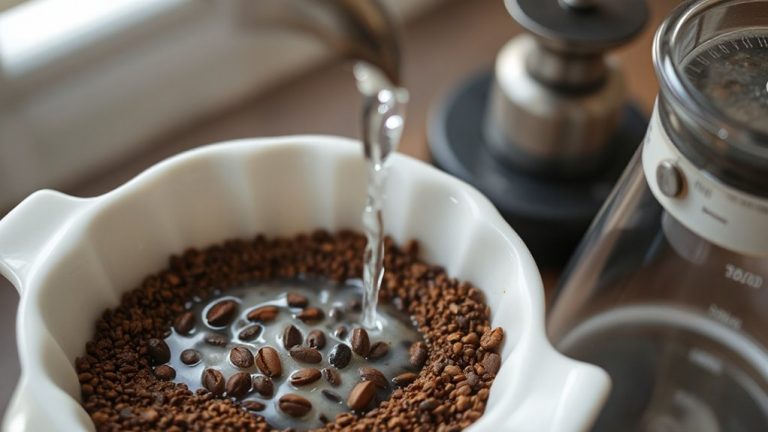
Drip Coffee Optimization: Mastering the Art of Pre-Wetting Grounds and Adjusting Grind Size for Balanced Extraction
You’re missing out on balanced flavor if you skip pre-wetting your grounds or ignore grind size. Bloom coffee with 200°F water for 30–45 seconds to release CO₂ and guarantee even extraction. Use a medium grind-like table salt-for most drip brewers, and dial it finer or coarser to fix sourness or bitterness. A burr grinder like Baratza Encore makes all the difference. With the right heat, timing, and adjustments, your brew will sharpen-keep refining to access cleaner, fuller results.
Notable Insights
- Pre-wet coffee grounds with hot water (~200°F) to initiate blooming and release trapped CO2 for even extraction.
- Allow a 30–45 second bloom time to ensure complete degassing and consistent water penetration during brewing.
- Use a medium grind size, similar to table salt, to balance flow rate and extraction in drip coffee makers.
- Adjust grind size incrementally: finer to correct sourness, coarser to reduce bitterness, while monitoring brew time.
- Maintain water temperature between 195°F and 205°F to optimize extraction and support effective blooming and flavor development.
Diagnose Under- and Over-Extraction in Drip Coffee
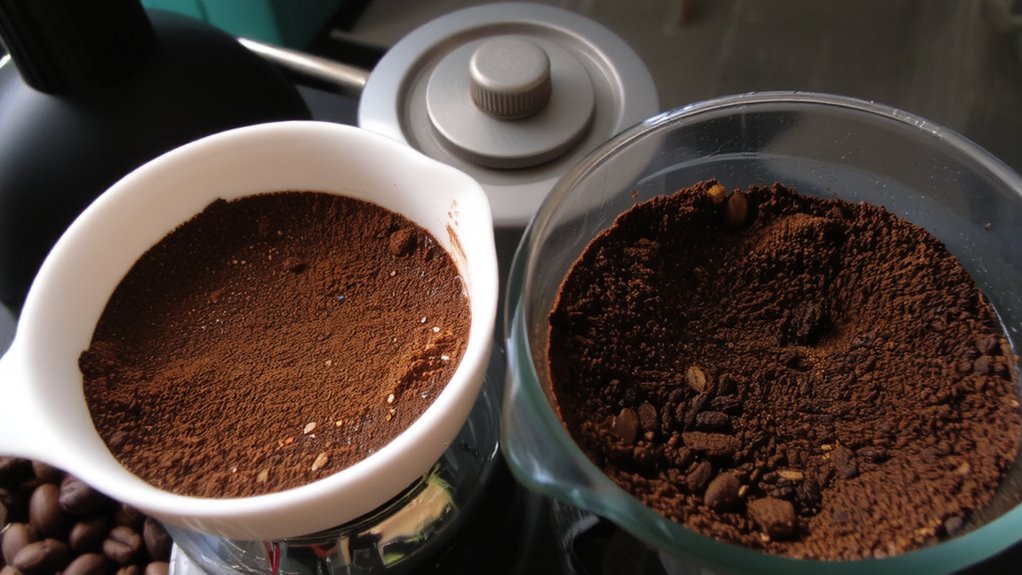
How do you know if your drip coffee is off? You taste it. If it’s sour or sharp, you’ve got under-extraction-likely from water temperature too low or grind size too coarse. Your tasting notes might highlight lemony or tangy flavors, a sign the water didn’t pull enough from the grounds. Conversely, bitterness or astringency points to over-extraction, often from water too hot or a grind too fine. Ideal water temperature sits between 195°F and 205°F; most decent brewers, like Technivorm or Bonavita, maintain this range. Check your brew time: 4–6 minutes is ideal. If it’s fast and sour, go finer. Slow and bitter? Coarsen the grind. Tasting notes help track changes. Adjust one variable at a time. A gooseneck kettle gives control, but standard carafes work fine. It’s practical tweaks, not magic. Your palate is the best tool. Use it.
Understand CO2’s Role in Drip Coffee Extraction
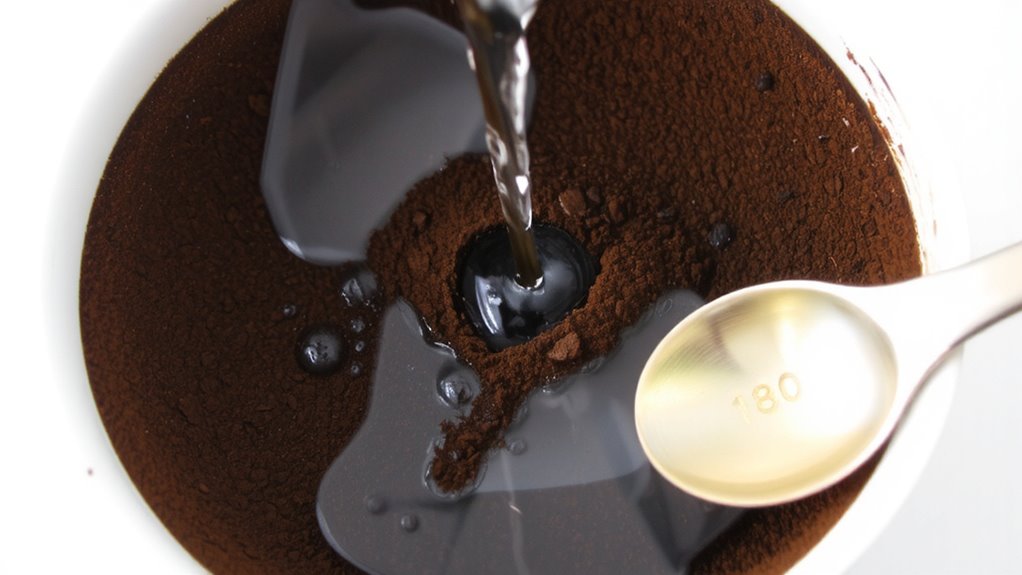
While freshly roasted coffee might seem ready to brew, it’s actually still releasing carbon dioxide, and that gas plays a key role in how your drip coffee extracts. That CO2 release happens for days or even weeks after roasting, and it affects water flow and contact with the grounds. When you pour hot water over dry coffee, trapped gas resists saturation-this is gas retention at work. If too much CO2 is present, it creates uneven extraction by blocking water from penetrating the grounds uniformly. That’s why stale or degassed beans often extract more predictably than ultra-fresh ones. But don’t wait too long-extended storage risks losing aromatic compounds. You’ll get the best balance with beans a few days post-roast, when CO2 release has slowed but flavor remains vibrant. Managing this stage sets up consistent results before grinding or brewing. Home roasters or bulk buyers can further manage CO2 off-gassing by using packages with coffee degassing valves to preserve freshness while allowing gas to escape.
Perfect Your Bloom for Even Drip Brewing
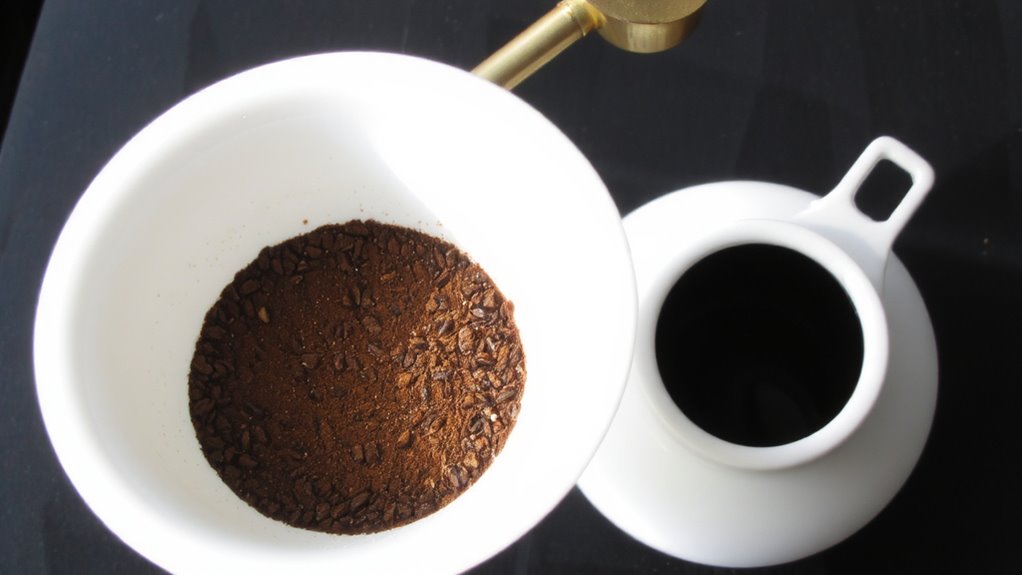
Why does your coffee sometimes taste sharp or uneven, even when you follow the same recipe? The issue might be your bloom. When you start brewing, trapped CO2 resists water, causing uneven extraction. A proper bloom releases that gas. Pour just enough hot water-around 200°F (93°C)-to saturate the grounds. Wait 30–45 seconds. This step stabilizes brewing time and improves flavor balance. Water temperature matters: too cool and extraction lags; too hot and you risk bitterness.
| Factor | Effect on Bloom |
|---|---|
| Low water temperature | Slower CO2 release, uneven soak |
| Short bloom time | Incomplete degassing, uneven brew |
Letting the coffee bloom guarantees water moves through grounds evenly, leading to cleaner, more consistent results. Don’t skip it-it’s key to balanced drip brewing. Choosing the right coffee, such as medium roast whole bean, can further enhance extraction and flavor clarity in your drip brew.
Choose the Right Grind for Drip Coffee
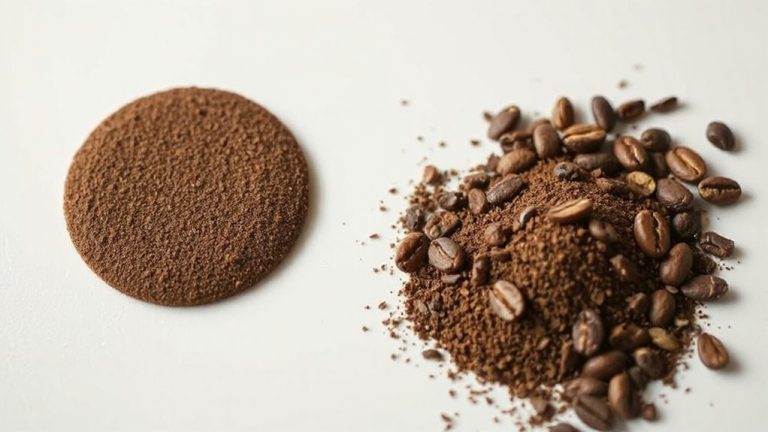
The grind size you use can make or break your drip coffee. For best results, aim for a medium grind-similar to table salt. This size allows water to flow evenly through the grounds, extracting balanced flavors without overdoing it. A burr grinder is your best bet because it delivers consistent grind consistency, unlike blade grinders that create uneven particle distribution. Uniform particles extract at the same rate, preventing some from turning bitter while others stay sour. If your coffee tastes weak or sour, try a finer grind; if it’s too strong or bitter, go coarser. Most drip machines work well with grind settings between 15 and 20 on popular grinders like the Baratza Encore or Fellow Ode. Adjust based on your beans and brew time. Consistency in grind consistency and particle distribution isn’t just detail work-it’s essential for reliable, great-tasting coffee every time.
Balance Grind and Bloom for Great Taste
If you’ve dialed in a medium grind for your drip coffee, don’t skip the bloom-this short step can save your brew from stale, uneven extraction. Proper blooming releases trapped CO₂, letting water penetrate evenly. Use water temperature around 195–205°F; too hot and you scorch, too cool and extraction lags. Brewing time should stay between 4–6 minutes for balanced flavor. Adjust grind size slightly finer or coarser to fine-tune timing without sacrificing clarity. Choosing the correct grind size for brew method ensures optimal flavor and prevents under- or over-extraction.
| Grind Size | Bloom Time | Brewing Time |
|---|---|---|
| Medium | 30 sec | 5 min |
| Medium-Fine | 25 sec | 4.5 min |
| Coarser | 35 sec | 6 min |
Matching bloom and grind guarantees even saturation and extraction. Water temperature and brewing time work together-consistent heat and timing are key.
Fix Sour, Bitter, or Weak Drip Coffee
You’ve dialed in your grind and mastered the bloom, but your coffee still tastes off-maybe sharp and sour, harsh and bitter, or thin and weak. Sourness usually means under-extraction-your brew temperature might be too low or brew time too short. Try warming your carafe or increasing water temperature to 195–205°F. Bitterness often comes from over-extraction, especially if your grind is too fine or water lingers too long. Dial back the grind size or check for clogging in your filter basket. Weak coffee may point to old beans or poor water quality. Tap water with high chlorine or minerals skews flavor; use filtered water instead. Machines like the Technivorm or Fellow Carter maintain stable brew temperature, improving consistency. Always clean your brewer monthly to avoid residue buildup. Small tweaks to water quality and brew temperature, combined with fresh beans, fix most off-flavors fast.
On a final note
You’ll get better drip coffee by adjusting grind size and using a proper bloom. If it’s sour, your grind’s likely too coarse or you’re skipping pre-wet; if bitter, it’s probably too fine or over-extracted. Aim for medium-fine grounds-like table salt-for most machines. Always wet the grounds evenly and let them bloom for 30 seconds. This releases CO2 and promotes even extraction. Pair the right grind with good pre-wetting, and your coffee will taste balanced, not weak or harsh.