How Micro-Roasters Are Innovating in the Speciality Coffee Industry: Discover Unique Flavor Profiles and Freshness With Smaller Production Runs
You get brighter, cleaner flavors from micro-roasters because they ship beans days after roasting, not weeks. Small batches mean precise control using roasters like Probat or Gene Café for consistent results. Direct trade guarantees better quality and fair pay, while light roasts highlight unique origin notes like citrus or berry. Sustainable practices reduce waste and energy use. If you want to know how roast style and brewing affect flavor clarity, the details matter.
Notable Insights
- Micro-roasters deliver peak freshness by shipping beans within days of roasting, preserving vibrant flavors and aromas.
- Small-batch roasting enables precise control over roast profiles, enhancing flavor consistency and clarity.
- Direct trade relationships ensure higher bean quality, fair farmer compensation, and full origin traceability.
- Light roast profiles highlight origin characteristics like citrus, berry, and floral notes in specialty beans.
- Sustainable practices include waste reduction, energy-efficient equipment, and transparent, ethical sourcing.
Why Fresh Roasts Change Your Coffee Experience
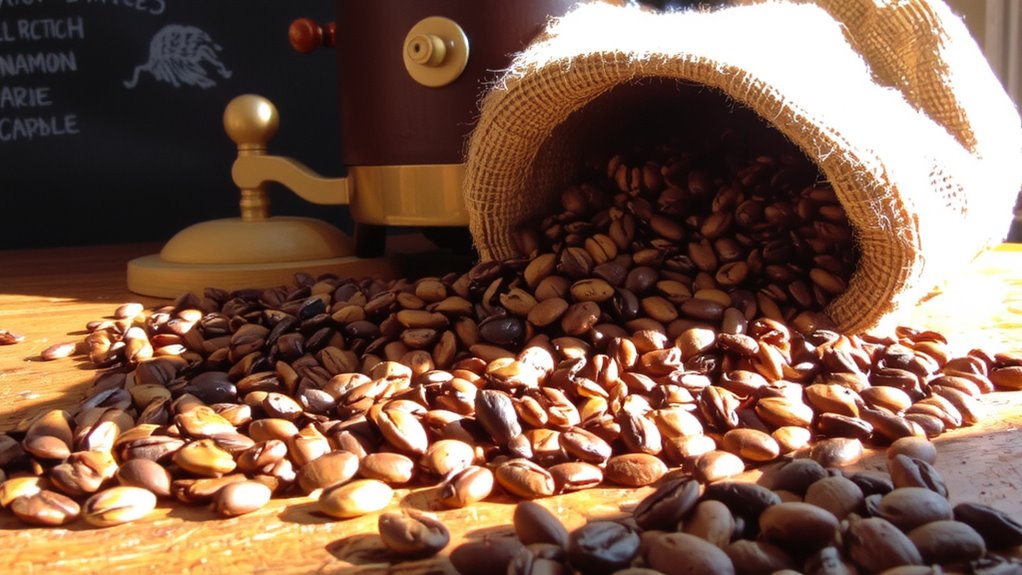
Freshness isn’t just a buzzword-it’s the foundation of flavor in specialty coffee, and micro-roasters prioritize it in ways big brands often can’t. You’ll notice brighter tastes and clearer aromas when you use beans roasted within the past week. That’s because bean aging dulls flavor fast-oxygen breaks down volatile compounds, leaving coffee flat over time. Most large roasters distribute beans weeks or months post-roast, but micro-roasters ship quickly, often within days. This freshness means your brewing methods matter more. Pour-over and espresso, for example, highlight subtle notes you’d otherwise miss. If you’re using a French press or AeroPress, fresh beans still improve clarity and body. For best results, grind just before brewing and store beans in an opaque, airtight container away from light. Don’t freeze them-condensation harms quality. With fresher beans, even basic gear performs better. Top best online coffee roasters deliver peak flavor through rapid shipping and small-batch precision.
How Micro-Roasters Craft Distinctive Flavor Profiles
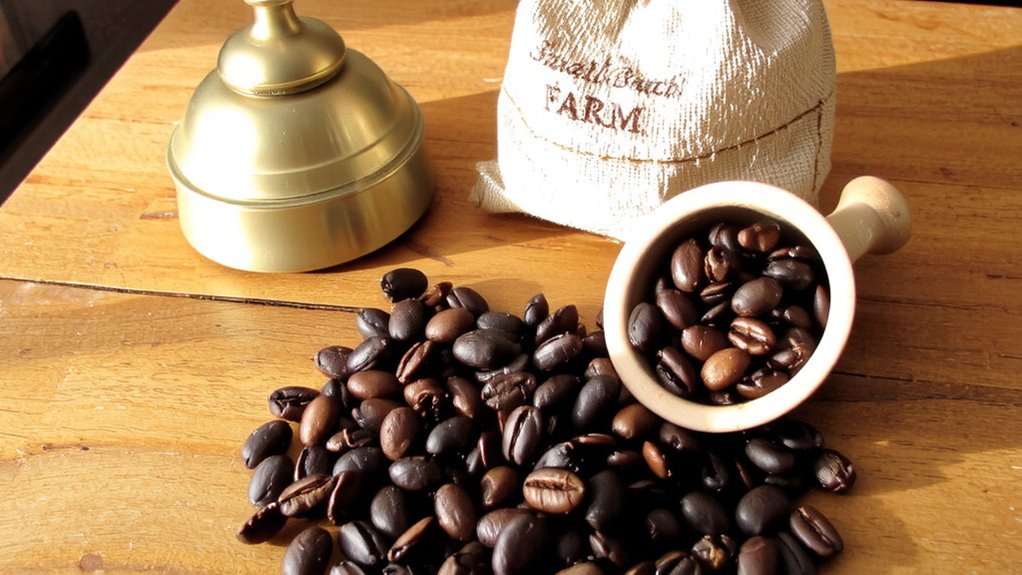
Flavor starts long before your first sip-it’s shaped in the roaster’s hands, where small batches mean big control. With direct oversight, micro-roasters tweak time and temperature to highlight specific notes, relying on roast precision you can’t achieve at larger scales. They test profiles in 5–10 kilogram runs, adjusting quickly based on real-time feedback. This isn’t guesswork; it’s repeatable science. Bean sourcing plays a key role-single-origin lots from known farms offer unique starting points, each reacting differently to heat. These roasters track moisture, density, and origin climate to shape the process. Unlike mass producers, they skip blending for consistency, instead preserving distinct characteristics. You might get a Yirgacheffe with citrus brightness one week, a Guatemalan with chocolate-nut depth the next. Small drum roasters, like those from Probat or Gene Café, allow this level of adjustment. It’s not about perfection-it’s about intention.
Direct Trade: The Key to Better Beans
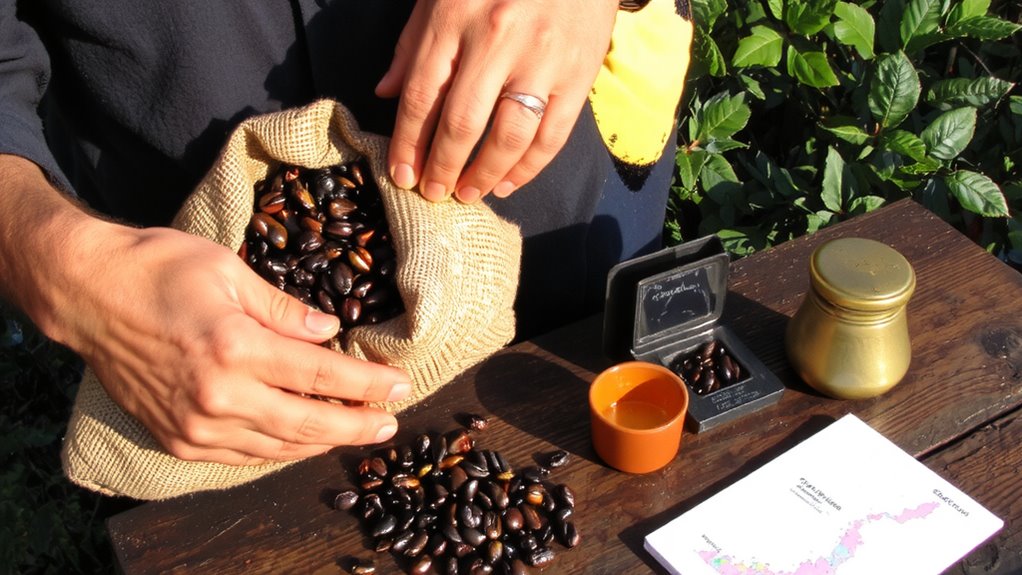
While most commercial roasters rely on importers and brokers, micro-roasters often go straight to the source through direct trade, cutting out the middlemen so they can secure higher-quality beans and better pay for farmers. This model strengthens farmer partnerships and improves quality control, since roasters often visit farms, set specific growing standards, and taste-test early samples. You get more traceability and consistency, batch after batch.
| Aspect | Direct Trade | Traditional Import |
|---|---|---|
| Farmer Pay | Higher, negotiated directly | Lower, market-driven |
| Quality Control | Tight, hands-on oversight | Variable, third-party |
| Transparency | Full origin details | Limited information |
You’ll notice clearer flavors and fewer defects in the cup. Direct trade isn’t perfect-scaling it is hard-but for freshness and ethical sourcing, it’s the practical choice if you value what’s in your mug.
Built-In Sustainability in Every Small Batch
Because micro-roasters typically process smaller volumes, they can design their operations with sustainability built into each step, from sourcing to packaging. You’ll find that many prioritize traceability initiatives, letting you know exactly where your beans come from and ensuring ethical growing conditions. These small-scale roasters often partner directly with farms, reducing middlemen and supporting fair wages. Waste reduction practices are also central-think composting chaff, reusing packaging materials, or selling imperfect beans at a discount. Their compact roasting equipment uses less energy and allows tighter control over output, minimizing batch errors and spoilage. Unlike large roasters, they can adjust quickly, matching supply more closely to demand. When you buy from them, you’re not just getting fresher coffee-you’re supporting a system that values transparency and efficiency. It’s sustainability that’s practical, not just promotional.
Roast Styles That Reveal Coffee’s True Character
Small-batch roasting doesn’t just cut down waste-it also gives roasters the precision to highlight a coffee’s natural qualities through careful heat control and timing. You’ll notice how light roasting preserves delicate acids and floral notes that darker roasts often mask. This approach boosts flavor clarity, letting you taste distinct characteristics like citrus, berry, or tea-like nuances inherent in high-quality beans. Unlike mass producers who prioritize consistency, micro-roasters test small samples to fine-tune roast profiles for each origin. Light roasting works best with fresh, high-scoring beans-preferably from single estates or specialty-focused cooperatives. It demands good brewing gear; a precise pour-over setup or well-dialed espresso machine helps extract those subtle flavors without over-expressing bitterness. Darker roasts still have their place for bold, chocolatey profiles, but if you want to taste terroir, light roasting offers a clearer window.
On a final note
You get fresher beans and unique flavors with micro-roasters because they roast in small batches and focus on quality. They often use direct trade, so you know where your coffee comes from. Lighter roast styles highlight origin character, like berry notes in Ethiopian beans or chocolate tones in Guatemalan ones. If you want better taste and traceability, try a micro-roaster over big brands. It’s a simple upgrade with real results.