How Temperature Control Affects Flavor Development in Washed Coffee Fermentations
You risk losing bright, clean flavors if your washed coffee ferments above 22°C-enzymes brown the mucilage and microbes like *Lactobacillus* go into overdrive, creating sour notes. Below 18°C, fermentation slows too much, risking underdevelopment. Keep temps between 18–22°C for balanced acidity, sweetness, and clarity. Use insulated or temperature-controlled tanks to stay steady. This range preserves citrus and floral tones without off-flavors. Staying within this window gives you consistent, high-quality results-and there’s more to fine-tuning the process.
Notable Insights
- Temperature between 18–22°C preserves acidity and sweetness, producing bright, clean washed coffee flavors.
- Excessive heat above 25°C accelerates fermentation, causing sour or vinegar-like off-flavors from uncontrolled microbial activity.
- Cool temperatures below 18°C slow microbial growth, risking incomplete fermentation and underdeveloped flavor profiles.
- Optimal microbial diversity and enzyme activity occur at 20–25°C, supporting balanced flavor and consistent fermentation.
- Temperature-controlled tanks prevent overheating and stalling, maintaining ideal conditions for floral and citrus note development.
Why Temperature Controls Washed Coffee Flavor
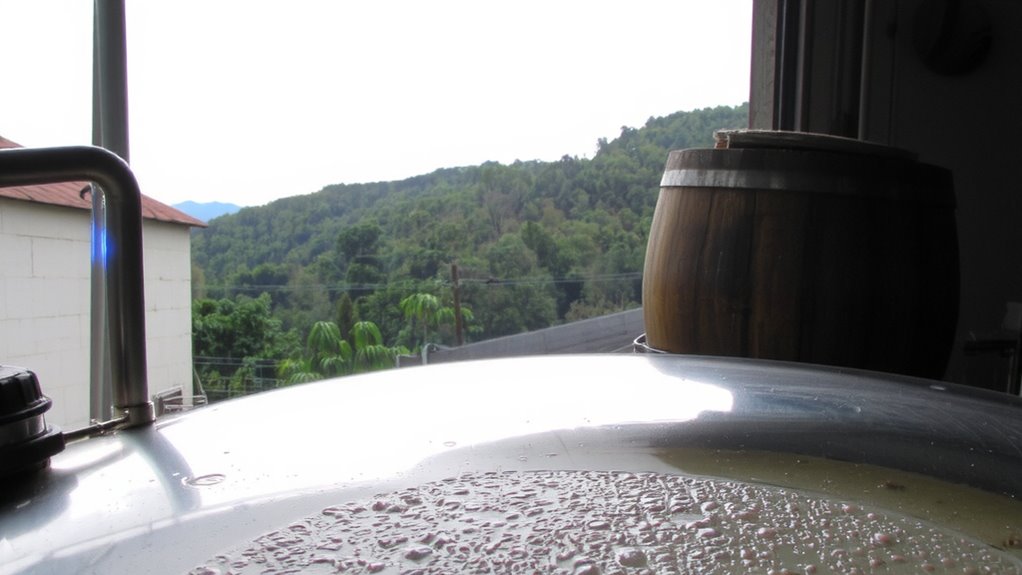
While fermentation might seem like a simple step in washed coffee processing, getting the temperature right has a direct impact on the flavors in your cup. If it’s too warm, enzymatic browning kicks in faster, darkening mucilage and leading to flat, dull notes. You’ll also face rapid flavor degradation, stripping away the bright, clean tones washed coffees are known for. Cooler temps slow reactions, helping preserve sweetness and acidity, but go too low and fermentation stalls, risking underdevelopment. Most producers aim for 18–22°C (64–72°F) to balance speed and quality. Temperature-controlled tanks or shaded fermentation rooms help maintain this range. Without control, even well-picked cherries can yield inconsistent results. So if you want clarity and vibrancy in the final cup, monitor the thermometer as closely as the clock. It’s a small tool with an outsize effect.
How Microbes React to Fermentation Temperature
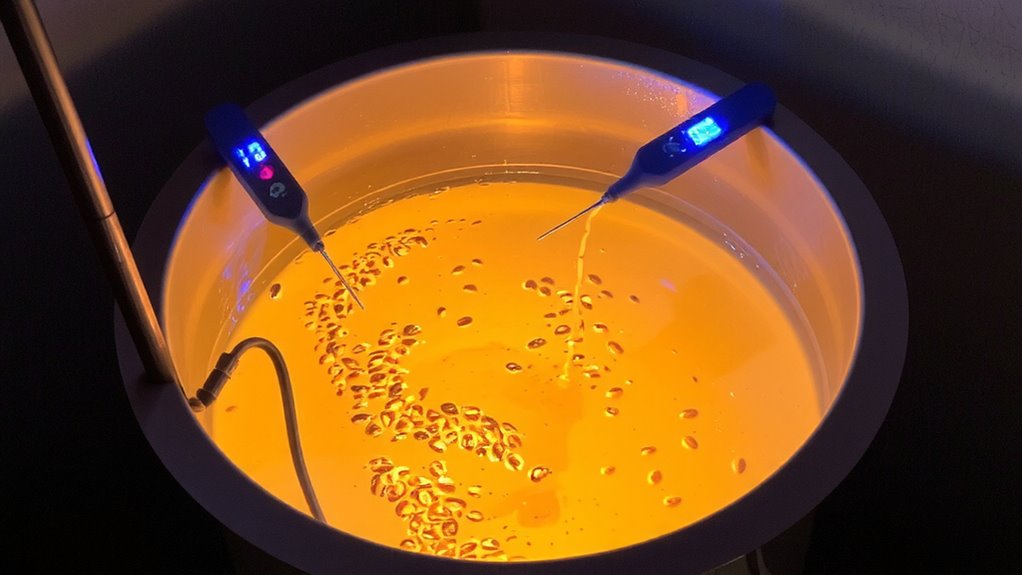
When temperatures rise above 25°C (77°F), the microbes driving fermentation-especially bacteria like *Pseudomonas* and *Lactobacillus*-become hyperactive, multiplying quickly and producing acids at a faster rate, which can lead to over-fermentation and sour or vinegar-like off-flavors. You’ll see reduced microbial diversity as dominant strains outpace others, unbalancing the process. Cooler temps, below 20°C (68°F), slow enzyme activity and microbial growth, risking incomplete fermentation. Holding temps between 20–25°C supports balanced enzyme activity and broader microbial diversity, helping you achieve more consistent results. You’re not just managing heat-you’re steering which microbes thrive and how fast they work. Temperature stability matters just as much as the starting point, so use insulated tanks or climate-controlled rooms when possible. Digital probes and data loggers let you catch swings early. Keep it steady, and you keep control.
Best Temperatures for Bright, Clean Coffees
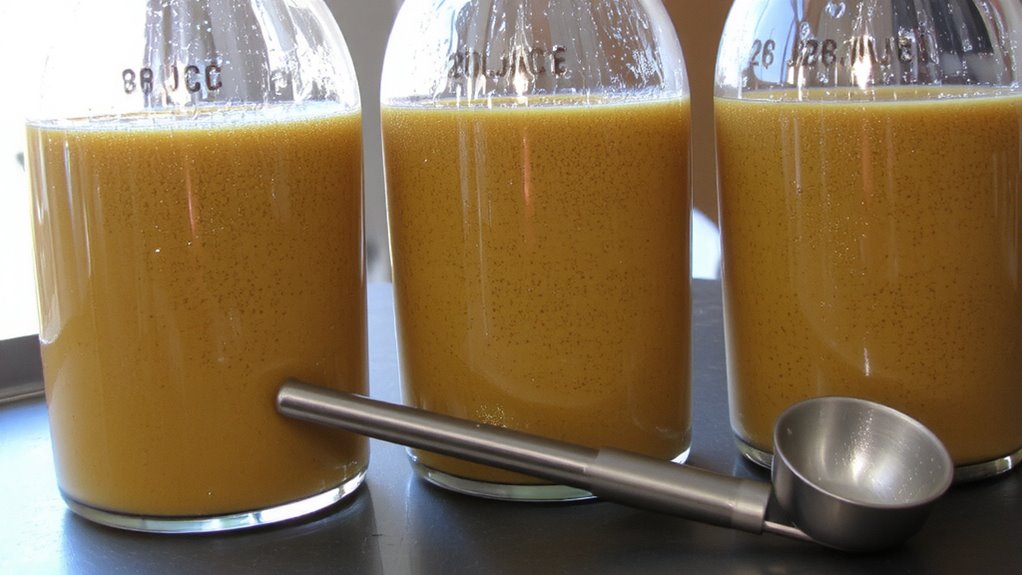
You’ve seen how temperature shapes microbial activity, and now it’s time to put that knowledge toward a specific outcome: bright, clean washed coffees. For the crispest results, aim for fermentation between 18°C and 22°C (64–72°F). In this range, beneficial bacteria and yeast work steadily without accelerating unwanted reactions. You’ll get more consistent citrus notes-like lemon or grapefruit-and delicate floral aromas, such as jasmine or bergamot. Cooler than 18°C slows fermentation too much, risking underdevelopment; warmer than 22°C increases the chance of over-fermentation or muddied acidity. Using temperature-controlled tanks, like Stainless Steel Fermenters with jackets, helps maintain stability, especially in fluctuating climates. Simple insulated tanks also help in moderate environments. This precision doesn’t require lab gear-many small producers use basic thermometers and shade covers successfully. Control here means cleaner cups with vibrant, distinct profiles you can rely on.
What Happens When Fermentation Gets Too Hot?
Fermentation that climbs above 25°C (77°F) starts to work against you, pushing microbial activity into overdrive and increasing the risk of off-flavors. You’re facing overheating risks that speed up fermentation too fast, making it hard to control. This rapid process often leads to flavor degradation, stripping away the bright, clean notes you want in washed coffee. Acetic acid and other unwanted compounds build up, creating sour or vinegar-like tones. Without active temperature management-like shade, insulated tanks, or water cooling-you lose consistency. Stainless steel tanks help, but ambient temps still matter. Even with good gear, neglecting heat means risking batch loss. Keep a close eye on your thermometer and adjust early. Once flavor degradation sets in, it’s irreversible. Control isn’t just helpful-it’s essential. Stay below 25°C to protect quality and guarantee your coffee tastes the way it should.
What to Do When Fermentation Is Too Cold?
Cold fermentation slows microbial activity, just as heat speeds it up, and while overheating risks off-flavors, too little warmth brings its own problems. If your fermentation tanks are too cold, microbial stalling can delay or halt the process, leading to underdeveloped flavors and inconsistent profiles. Extended chilling worsens this, especially in high-altitude or poorly insulated facilities. You’ll notice sluggish bubbling and little pH change-signs it’s too cold. To restart activity, gently warm the environment using insulated tanks, ambient heating, or controlled water jackets. Avoid rapid temperature spikes, which shock microbes. Some producers use temperature-monitored fermentation rooms, but simpler setups with passive solar warming or thermal blankets can work. Monitor closely: even a 2–3°C rise can restart stalled microbes. Don’t extend fermentation time indefinitely-prolonged cold risks contamination. Act early, track temps, and maintain stability for predictable results.
On-Farm Temperature Control Tips
Temperature stability starts with smart setup. You need consistent conditions, and that begins with proper equipment selection. Use fermentation tanks made of insulated materials like stainless steel or food-grade plastic-avoid concrete if temperatures swing. Place tanks in shaded, well-ventilated areas, or use evaporative cooling systems in hot climates. If you’re at high altitude or in a cool region, consider insulated enclosures or temperature-controlled rooms. Process monitoring is key: check temps at least twice daily with calibrated thermometers and track pH to spot trends. Don’t rely on guesswork-data helps you adjust fast. Small-scale producers can use digital probes with loggers; they’re affordable and accurate. Fermentation time and flavor consistency improve dramatically when you control the environment. Simple changes, like repositioning tanks or adding shade cloth, can have big impacts. Stay proactive-temperature isn’t just monitored; it’s managed.
On a final note
You’ll want to keep fermentation temps between 18–24°C for clean, bright washed coffees. Too hot-above 28°C-and you’ll risk over-fermentation, off-flavors, or acidity loss. Too cold, below 16°C, slows microbes, extending fermentation unnecessarily. Use shaded tanks, pre-soak cherry, or insulated rooms to maintain stability. Simple shade cloth or nighttime harvests help on small farms. Consistent temps mean more predictable, high-quality results. Control beats guesswork.