What Defines a “Clean Cup” in Washed Process Coffees According to Q Graders
A “clean cup” in washed coffee means you taste the bean’s true character-no musty, sour, or fermented off-flavors. Q Graders check for clarity, balance, and consistency, rewarding bright acidity, sweetness, and a smooth finish. Cleanliness starts with precise de-pulping, controlled fermentation, and filtered water. Even drying and careful sorting prevent defects. If your brew lacks muddled notes, you’re on track-what happens behind the scenes makes all the difference.
Notable Insights
- A clean cup is an objective standard for absence of off-flavors, essential for specialty coffee scoring by Q Graders.
- Washed processing removes fruit and mucilage early, reducing earthy or fermented notes that compromise cleanliness.
- Precise fermentation control prevents microbial spoilage, ensuring bright, balanced, and non-muddled flavor clarity.
- Consistent water quality with neutral pH and balanced minerals avoids introducing impurities affecting taste.
- Defective beans and foreign matter are removed through mechanical sorting, ensuring uniformity and clean cup integrity.
What Q Graders Mean by a Clean Cup
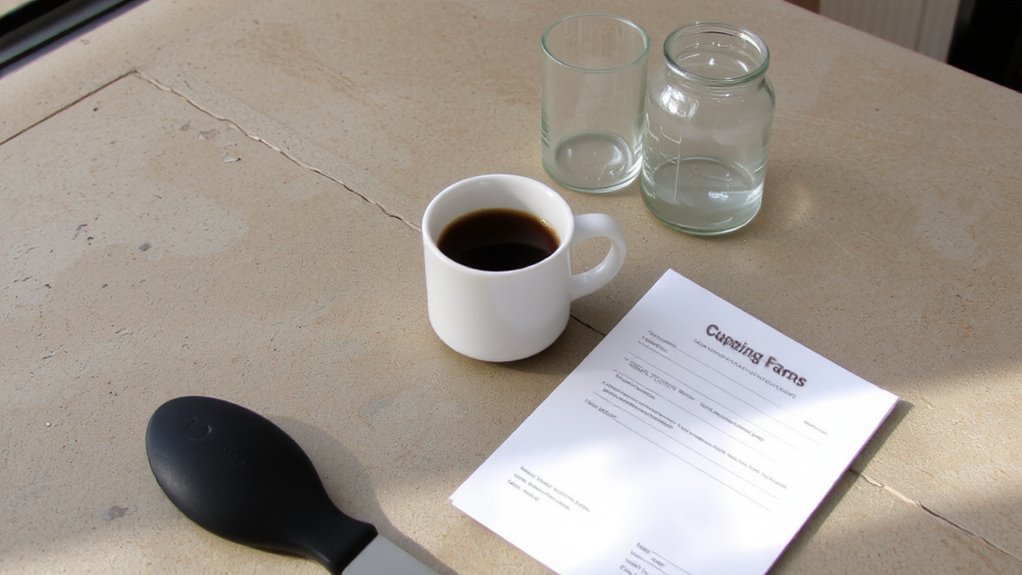
A clean cup isn’t just about taste-it’s a defined standard among Q Graders, the certified professionals who evaluate coffee quality. When you’re aiming for that benchmark, every detail counts. You need consistent water quality-neutral pH and balanced minerals-because impurities directly taint flavor and mess with extraction. Even slight contamination can introduce off-notes that disqualify a coffee from being called clean. Equally critical is precise bean sorting; you’re looking to remove defective beans, fermentation outliers, or foreign matter before roasting. Machines like color sorters or hand sorting reduce inconsistencies that lead to bitterness or mustiness. Skipping this step risks introducing flaws, no matter how good your brewing gear is. For home or roastery use, investing time in quality control like filtered water and rigorous sorting pays off. It’s not perfection-it’s practical control over variables that Q Graders measure objectively. You’re not just brewing-you’re verifying.
How Q Graders Score Clean Washed Coffee
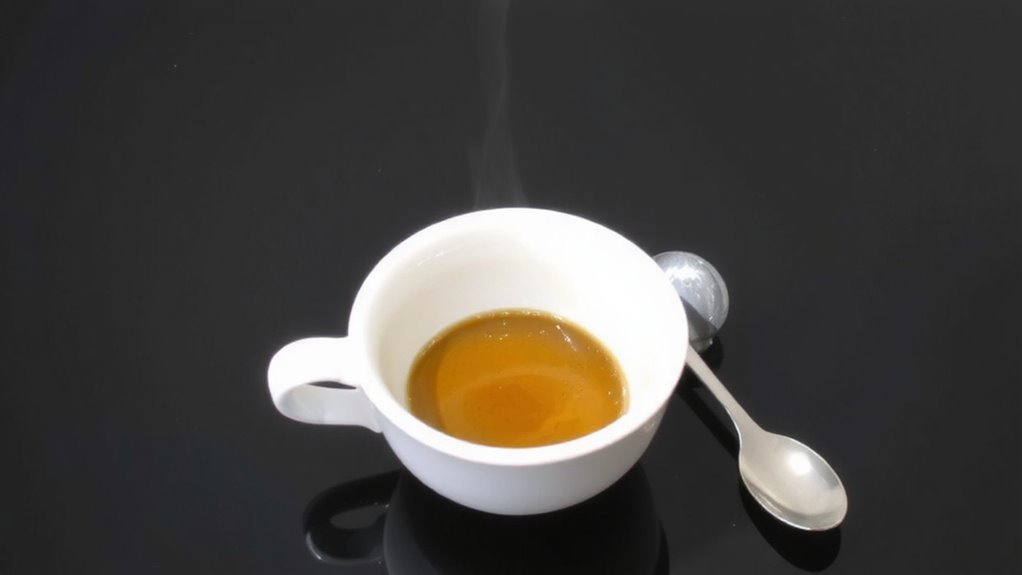
While scoring clean washed coffee, Q Graders follow a strict point-based system where clarity of flavor is just one part of the equation. You’ll need to evaluate cup clarity first-this means your brew should taste bright, not muddled or off. Any harsh or fermented notes knock it out of contention. Next comes flavor balance: the coffee must show harmony between acidity, sweetness, and body. A high acid wash might fail if it lacks sweetness to balance it. Graders use standardized forms, assigning points across categories like aroma, aftertaste, and uniformity. To score well, your coffee needs consistent performance across multiple cups. A single fault-like a musty note or uneven finish-can drop the score below specialty grade. Equipment cleanliness and precise brewing parameters matter here, since even minor inconsistencies affect cup clarity and overall balance.
How Washed Processing Affects Cup Cleanliness

Because the washed process removes the fruit and mucilage before drying, you’re left with a coffee that highlights bean quality and origin traits without interference from fermented or earthy notes. Your results depend heavily on water quality and bean density, both of which impact how evenly the beans dry and roast. High-density beans often yield cleaner, more consistent cups, while poor water quality can introduce off-flavors, even with perfect processing.
| Factor | Why It Matters | Example |
|---|---|---|
| Water quality | Affects fermentation and final taste | Use filtered water |
| Bean density | Influences roast evenness and clarity | Ethiopian heirlooms often score high |
| Drying control | Prevents mold and uneven moisture | Raised beds vs. mechanical dryers |
Control at each stage guarantees the clean cup you’re aiming for.
Why Fermentation Control Makes or Breaks Clean Coffee
If you’ve ever tasted a washed coffee with bright, crisp acidity and no off-flavors, chances are fermentation was tightly controlled. When you skip proper control, microbes run wild and spoil the lot. Yeast selection matters-using specific strains helps guide flavor predictably instead of leaving it to chance. Wild fermentation might seem natural, but it risks inconsistency. You’re better off choosing cultured yeasts that favor clean, desirable notes. Temperature monitoring is just as critical. Let the tank climb too high, and you’ll speed up fermentation, creating unwanted compounds. Keep it steady-ideally between 18–22°C-and you maintain balance. Equipment like insulated fermentation tanks with digital probes makes monitoring easier, even on warm days. Small changes in time, temperature, or yeast type shift the final cup. If you want a clean profile, treat fermentation like a precise reaction, not a guesswork step. Control it, and you protect clarity, sweetness, and purity in every sip.
Common Off-Flavors That Ruin Clean Washed Coffee
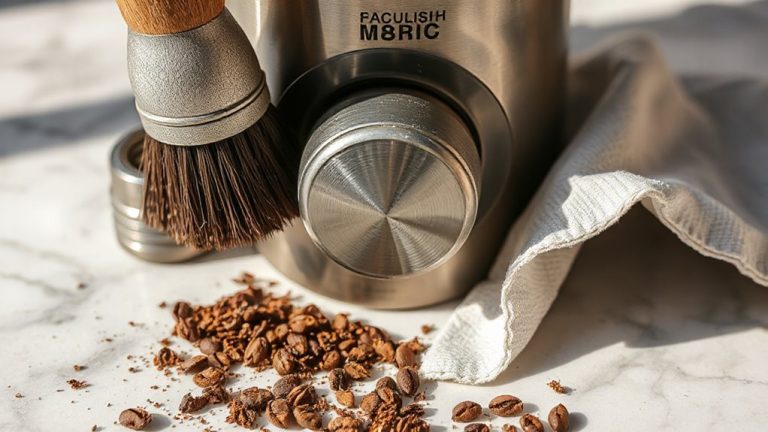
Off-flavors can creep into your washed coffee undetected, but they’re easy to spot once you know what to listen for in the cup. If you detect musty, earthy hints, you might be tasting moldy notes-often from improper drying or poor storage. These off-flavors ruin clarity and are immediate red flags for Q graders. A stale aroma is another warning sign; it suggests the beans sat too long post-roast or were exposed to moisture or air. Freshness matters-use an airtight container and grind just before brewing to preserve brightness. Avoid beans with a flat, papery smell; they’ve likely lost volatile compounds essential for a clean profile. Water quality and grinder cleanliness also influence outcome. While some defects stem from origin-level errors, others develop during transit or at home. Catching moldy notes and stale aroma early helps protect your brew’s integrity and guarantees a truly clean cup. Regular maintenance using best coffee cleaning supplies prevents residue buildup that can introduce off-flavors over time.
How Mills Produce Clean Washed Coffee
While the washed process starts with ripe, high-quality cherries, it’s the precision at the mill that determines whether your coffee delivers a clean cup. You begin with de-pulping, where machines remove the outer fruit without damaging the bean. Then comes fermentation, usually in tanks for 12–36 hours, to break down mucilage-consistent water quality here is essential, as contaminants can introduce off-flavors. Afterward, you rinse the beans thoroughly with clean water. Mechanical sorting follows, separating beans by density and size so only uniform lots move forward. This step improves consistency and helps avoid defects that affect cup clarity. Finally, beans are dried evenly, typically on raised beds or mechanical dryers, until moisture levels hit around 10–12%. Any lapse in sanitation, water quality, or mechanical sorting can compromise the entire batch.
On a final note
You’ll know a clean cup when it tastes bright, clear, and free of off-flavors. Q graders reward washed coffees that are consistent and free from fermentation flaws. To get there, mills must control every step-especially depulping, fermenting, and drying. Even small mistakes can introduce musty or sour notes. If you’re buying, look for well-processed lots from reputable mills; they’re more likely to deliver that clean, balanced cup you want.