The Impact of Water Filtration Systems on Espresso Extraction Quality and Consistency
Your espresso’s taste and consistency hinge on water quality. Unfiltered tap water brings chlorine, minerals, and sediment that cause bitterness, off-flavors, and scale buildup. Carbon filters remove chlorine but won’t stop scale. Reverse osmosis with re-mineralization gives precise control, hitting the ideal 75–150 ppm TDS and balanced minerals for even extraction. Scale inhibitors help where RO isn’t practical. Choosing the right system guarantees cleaner shots and protects your machine over time-knowing your options is key to better results.
Notable Insights
- Water filtration systems improve espresso extraction by removing chlorine, which can cause harsh off-flavors and inhibit proper flavor dissolution.
- Proper filtration balances mineral content, ensuring optimal TDS (75–150 ppm) for consistent and balanced espresso shots.
- Reverse osmosis systems enhance extraction consistency by eliminating impurities and scaling minerals, especially when paired with re-mineralization.
- Carbon filters improve taste and clarity by reducing chlorine and sediment but do not prevent scale-related extraction issues.
- High-quality filtration maintains equipment performance, preventing channeling and heat transfer problems caused by mineral buildup and sediment.
Why Water Quality Makes or Breaks Espresso
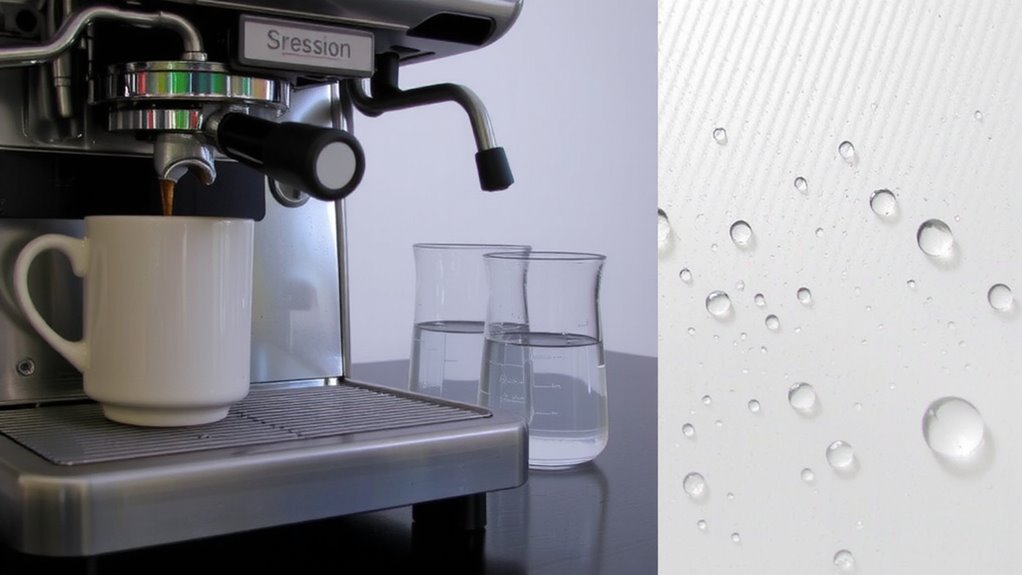
Even though you might focus on bean freshness or grind size, the water you use plays just as big a role in pulling a balanced espresso. Water hardness and mineral composition directly affect extraction-too soft, and your espresso tastes flat; too hard, and you risk scale buildup and bitter shots. Ideal water has moderate hardness, with calcium and magnesium levels that help extract flavor without damaging your machine. For instance, third-wave shops often use reverse osmosis systems with re-mineralization cartridges, like the 5-stage Everpure system, to control mineral content. Tap water varies by region, so testing with a TDS meter (target: 75–150 ppm) gives you consistency. Using filtered water isn’t just about equipment longevity-it shapes taste. You’ll notice clearer sweetness and better acidity when minerals are balanced. Don’t overlook it; your espresso’s quality hinges as much on the water as the beans.
How Impurities Hinder Extraction and Flavor
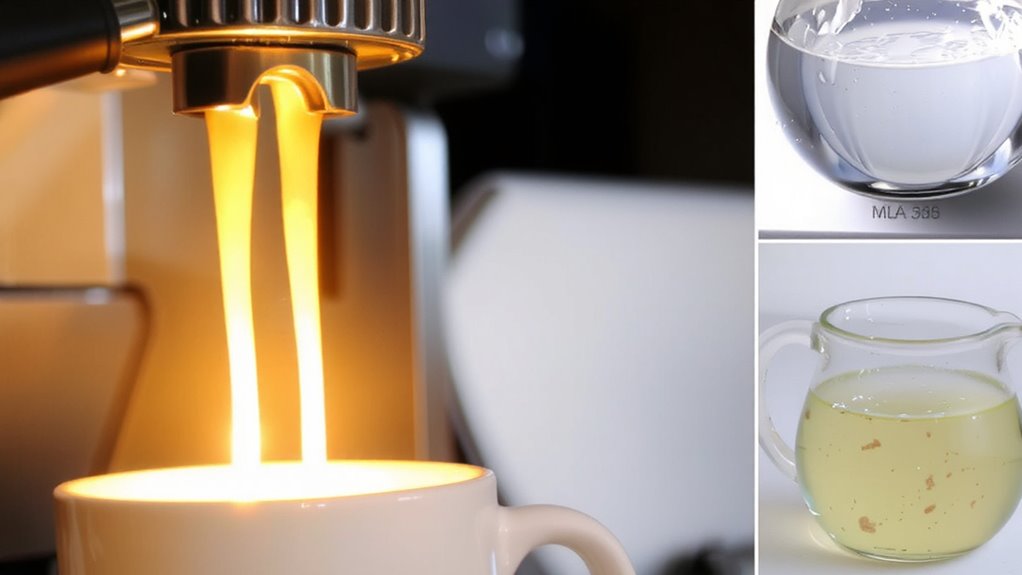
You’ve probably already considered how mineral balance affects extraction, but unfiltered water brings more than just hardness into play. Chlorine taste can ruin even the finest beans, leaving an off-putting aftertaste that no roast profile can fix. Calcium buildup clogs machines over time, but it also disrupts water flow and heat transfer during brewing, leading to uneven extraction. Other impurities interfere with solubility, preventing coffee compounds from fully dissolving. Using a high-quality espresso machine water filter ensures consistent water composition, enhancing both shot stability and equipment longevity.
| Impurity | Effect on Extraction | Flavor Impact |
|---|---|---|
| Chlorine | Inhibits dissolution | Harsh, chemical aftertaste |
| Calcium | Causes channeling | Flat, muted notes |
| Iron | Promotes oxidation | Metallic, stale taste |
| Sediment | Blocks water pathways | Inconsistent shots |
Filtration removes these issues fast-preserving both flavor and machine function.
How Your Espresso Reveals Water Quality Issues
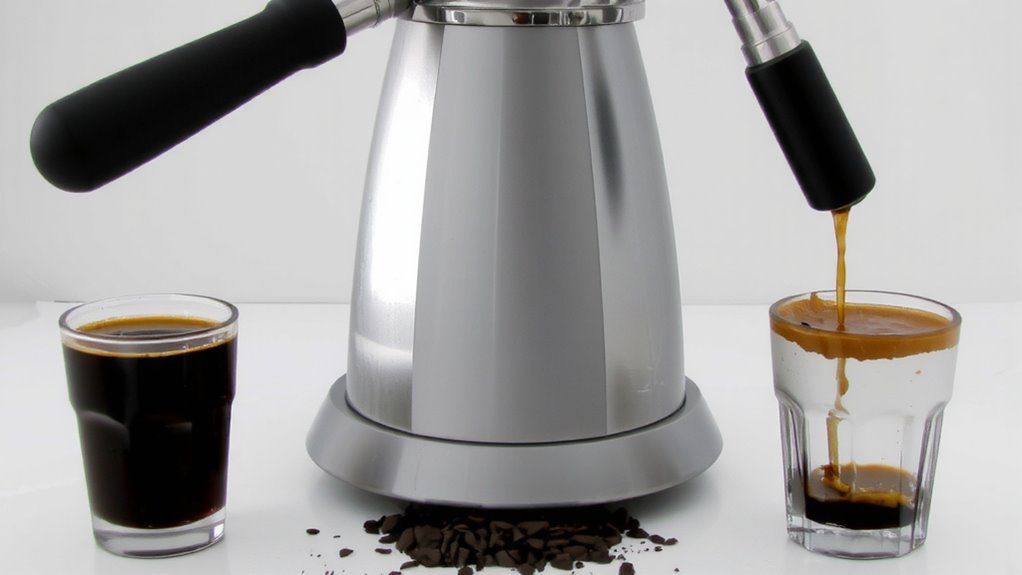
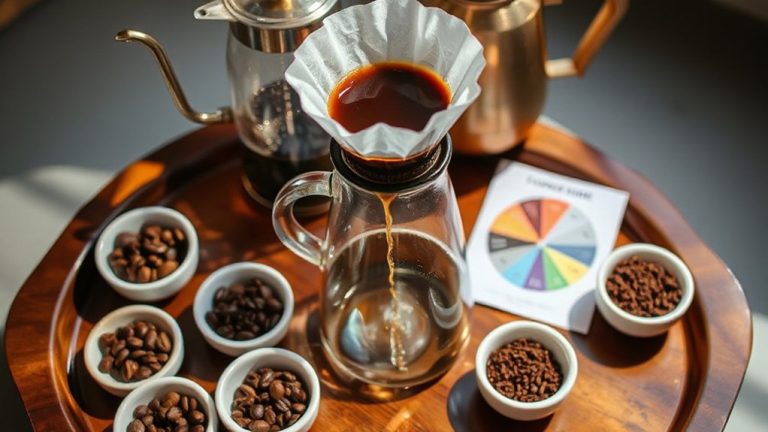
What if your espresso’s off, but the beans are fresh and the grinder’s calibrated? Chances are, your water’s to blame. Poor water clarity can leave visible scale buildup in machines or cloudiness in the shot, hinting at sediment or mineral overload. Even if it looks fine, lack of taste neutrality skews flavor-chlorine creates medicinal notes, while high alkalinity mutes acidity and sweetness. You’ll notice flat, bitter, or sour shots despite correct settings. Unfiltered tap water often introduces inconsistencies that standard brewing can’t correct. A basic carbon filter improves clarity and removes chlorine, but for true neutrality, consider a specialized filtration system like the Pentair Everpure or 3M DWS. These maintain mineral balance while stripping impurities, giving you a cleaner canvas for extraction. Your espresso doesn’t lie-off flavors often point straight to the water supply. For deeper insight into how water affects flavor perception, exploring a coffee tasting kit can help isolate variables and sharpen your palate.
The Science of Ideal Mineral Balance for Espresso
Good water isn’t just clean-it’s balanced. You need the right mix of minerals to get the most from your espresso. Too little, and your shots taste flat; too much, and you’ll get inconsistency or scale. Ideal water supports mineral synergy-where calcium and magnesium help extract flavor evenly without overpowering the bean’s character. At the same time, you can’t ignore alkalinity balance, which stabilizes pH and prevents acidic, sour shots. Water with too much alkalinity buffers acids excessively, muting brightness. You want roughly 50–150 ppm total hardness and 40–75 ppm alkalinity for best results. Brands like Third Wave Water offer mineral packets that nail this balance, while some filtration systems let you adjust output. Getting this right means sweeter, clearer espresso with better shot consistency-no guesswork. It’s not about purity; it’s about smart mineral control.
Filtration Showdown: Carbon, RO, and Scale Inhibitors
How do you choose the right filtration for your espresso when every option claims to deliver clean water? Carbon filters are affordable and improve taste by removing chlorine, but they don’t stop scale-expect some taste variability over time as the filter degrades. You might also see pressure drops if sediment builds up. Reverse osmosis (RO) systems strip nearly all minerals, giving you full control over water composition, which reduces taste variability and prevents scale. But unless you re-mineralize, RO water can lead to flat, under-extracted shots. Scale inhibitors, like template-assisted crystallization (TAC), stop limescale without removing minerals, preserving flavor balance and avoiding pressure drops. They don’t filter contaminants, though, so they’re best paired with other methods. Each system has trade-offs: carbon is simple but limited, RO is precise but needs extra steps, and scale inhibitors protect equipment but don’t purify.
Choosing an Espresso Water Filtration System
Now that you’ve seen how carbon filters, reverse osmosis, and scale inhibitors handle water quality in different ways, the next step is picking the right system for your espresso setup. Start by checking system compatibility-your espresso machine’s manufacturer often recommends specific filtration types. For instance, some dual boilers work best with reverse osmosis, while simpler machines may only need a carbon filter. Installation complexity varies widely: carbon filters like the Everpure ERO-35 are simple screw-in units, great for home users or small cafes. Reverse osmosis systems, such as the Pentair 400, require more space and plumbing work but offer the highest control. Scale inhibitors are easy to install but don’t remove contaminants. Weigh your water source, machine type, and technical skills before deciding. A mismatch risks poor extraction or costly repairs down the line.
How Clean Water Extends Machine Life and Consistency
When you consistently use filtered water, your espresso machine stays in better shape and performs more reliably over time. Clean water reduces scale buildup and corrosion, directly improving machine longevity and operational consistency. Scale inside boilers and group heads forces components to work harder, leading to early failures and inconsistent brew temperatures. Using a proper filtration system helps avoid these issues, saving you money on repairs and downtime. The choice of best water for coffee machines significantly influences both flavor and equipment performance.
| Issue | With Filtered Water |
|---|---|
| Scale Buildup | Greatly reduced |
| Maintenance Frequency | Lower |
| Brew Temperature Stability | More consistent |
These improvements support long-term reliability and tighter shot repeatability. You’ll get steady pressure, even heat, and fewer surprises during service. For daily users-whether at home or in a café-this means fewer descaling cycles, less wear on pumps, and more predictable results. Investing in filtration isn’t just about taste-it’s about protecting your machine and ensuring it runs smoothly, shot after shot.
On a final note
You need good water to pull consistent, tasty espresso shots. Filters like carbon, RO, or scale inhibitors each have pros and cons-carbon is simple but limited, RO gives control but strips all minerals, and scale inhibitors protect machines but don’t improve flavor much. For most cafes or serious home setups, a balanced filtration system like Everpure or Third Wave Water boosts extraction and machine life. Skip the guesswork: treat your water first, and your espresso will thank you.