Cold Brew With Coconut Water: a Tropical Twist on Iced Coffee
You’ll get a smooth, tropical cold brew by steeping 100g of freshly ground medium roast coffee-like Colombian or Guatemalan-in 800ml of coconut water for 12 to 16 hours. Use a coarse grind and a French press or mason jar with a mesh lid. The coconut water adds natural sweetness, so skip sugar unless you prefer it sweeter. Serve over ice for clarity or blend for a creamy texture. Keep it in a dark, airtight container in the fridge and drink it within 10 days. You’ll find more tips on getting the balance just right.
Notable Insights
- Use a 1:8 ratio of coarse-ground coffee to coconut water for balanced extraction and smooth flavor.
- Steep coffee in coconut water for 12–16 hours, depending on temperature, to optimize strength and clarity.
- Choose medium-roast beans from Central or South America for nutty, clean notes that complement coconut water.
- Enhance natural sweetness with vanilla, cinnamon, or lime zest instead of added sugar or heavy syrups.
- Serve over ice or blend for a frappé texture, and store in airtight, opaque containers for up to 10 days.
How to Make Coconut Water Cold Brew
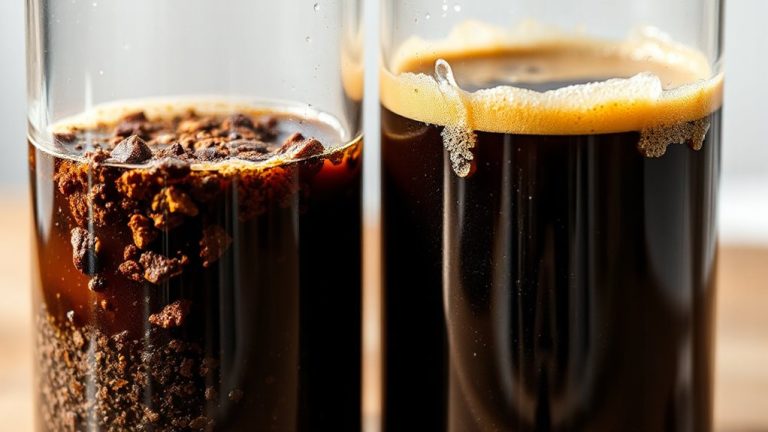
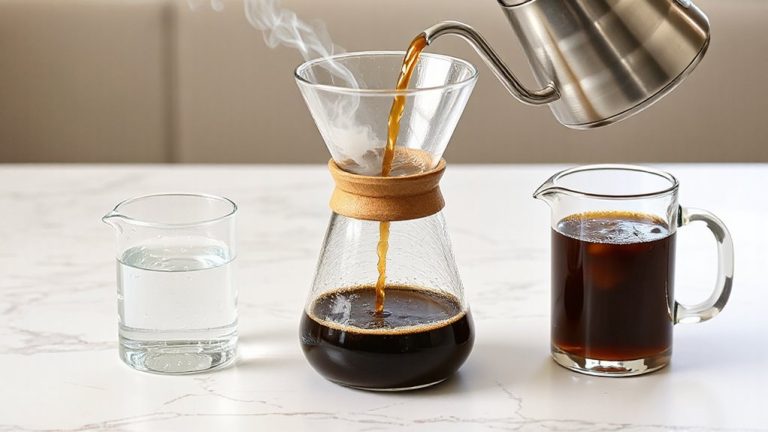
While you can use any cold brew method, making coconut water cold brew works best with a coarse grind and a 12- to 16-hour steep time to avoid over-extraction. Use room-temperature coconut water straight from the carton-don’t heat it-since cold brewing relies on time, not water temperature, to extract flavor. Aim for a 1:8 coffee-to-liquid ratio; for example, 100 grams of coffee per 800 milliliters of coconut water. Stir gently after adding coffee to guarantee all grounds are saturated. Cover and steep in the fridge or at room temperature, depending on your space and schedule. If steeping at room temp, stick to 12 hours to prevent bitterness; fridge steeping can go up to 16. The longer brewing time produces a smoother, less acidic concentrate. Avoid fine grinds-they clog filters and increase sediment. A French press or mason jar with a mesh lid works well for ease and filtration. For optimal results, consider using one of the top-rated cold brew French press models designed to minimize sediment and simplify cleanup.
Best Coffee Beans for Coconut Cold Brew
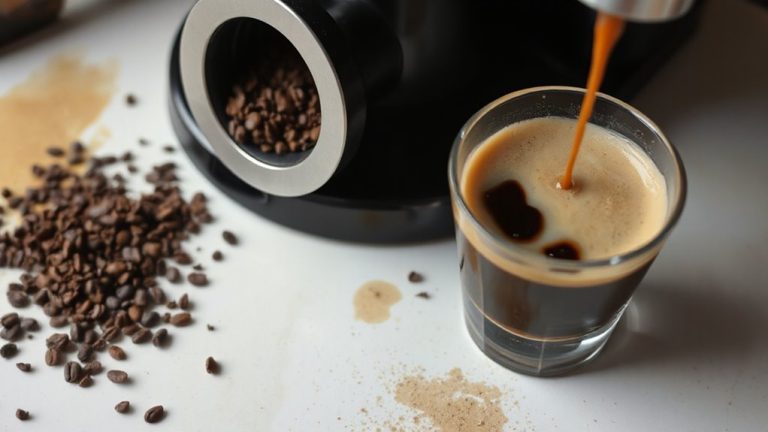
The foundation of a great coconut water cold brew starts with the right beans. You’ll want a roast-girl that balances smoothness and clarity-medium roast works best, preserving bright notes without harsh acidity. Dark roasts can overwhelm the drink with bitterness, clashing with the coconut’s subtle sweetness. When choosing beans, pay attention to bean origin. Central and South American beans, like Colombian or Guatemalan, offer clean, nutty profiles that blend smoothly with coconut water. African beans, such as Ethiopian, bring fruity hints that add complexity but may not suit all palates. Avoid heavily processed or flavored beans; they can muddy the final taste. Freshness matters-use beans roasted within the past month and grind just before brewing. A coarse grind size is ideal for the long steep time. This combo guarantees a clean, invigorating cold brew that highlights both coffee and coconut. For optimal results, consider trying one of the top picks for cold brew based on expert taste tests and brewing performance.
Best Sweetness & Flavor Pairings
You’ve picked the right beans-now it’s time to think about how sweetness and flavor pairings can shape your coconut water cold brew. Natural sweetness in coconut water means you might not need added sugar, letting you control sweetness levels more precisely. If you do sweeten, try agave or simple syrup-they mix easier than granulated sugar. For flavor balance, consider a splash of vanilla extract or a dash of cinnamon, which enhance without overpowering. Avoid heavy syrups; they can throw off the drink’s light, tropical profile. Lime zest adds brightness, while a touch of honey introduces floral notes. Always taste after mixing-you may need less sweetener than expected. Adjustments are easier before serving, so fine-tune flavor balance early. Keep ingredients fresh, measure consistently, and note what works. Small changes make a noticeable difference in both sweetness levels and overall flavor balance. For more complex flavor notes, try adding a few drops of best syrups for iced coffee.
Serving Styles: Iced or Blended
When you’re ready to serve, deciding between iced and blended styles comes down to texture, temperature, and the equipment you’ve got on hand. For an iced presentation, simply pour your coconut water cold brew over ice cubes in a glass. This method preserves clarity and crisp flavor, works with any container, and requires no special tools-ideal for quick serving. If you prefer thicker drinks, go for blended textures. Use a blender to mix the cold brew with ice, creating a slushy, smooth consistency similar to a frappé. Blended versions feel more indulgent but need a reliable blender and extra time. Iced is practical and invigorating; blended delivers richness and works well in hot weather when you want something creamy. Choose based on your mood, gear, and desired mouthfeel. Each style highlights the tropical profile differently.
How to Store Coconut Cold Brew
Coconut cold brew should be stored properly to maintain flavor and freshness, especially after choosing your preferred serving style. Use airtight container types like glass jars or BPA-free plastic bottles to prevent oxidation and off-flavors. Mason jars work well for small batches; repurposed drink bottles are convenient for grab-and-go. Store your cold brew in the refrigerator to maximize storage duration-up to 7 to 10 days for best quality. Beyond that, flavor degrades and subtle coconut notes fade. Avoid clear containers if storing long-term; light exposure speeds spoilage. Keep it cold at all times, as warming encourages bacterial growth and dulls taste. Don’t leave it at room temperature for more than a few hours. Proper container types and strict temperature control directly impact how long your coconut cold brew stays drinkable. Stick to these basics to preserve quality without fuss.
Mistakes That Ruin Coconut Cold Brew
What goes wrong when your coconut cold brew tastes flat or off? Often, it’s due to coconut spoilage. You might not realize how quickly coconut water degrades, especially when stored too long or at warm temperatures. Freshness matters-always check the expiration date and refrigerate after opening. Another common error is water dilution. If you’re adding plain water along with coconut water, you’re weakening the coffee and diluting the tropical flavor you want. Stick to using just coconut water for brewing, or mix it in after with cold brew concentrate to preserve strength. Don’t let oxidation worsen the taste-store your batch in an airtight container. And never leave it out at room temperature for more than a few hours. These small oversights lead to disappointing results every time.
Why Coconut Water Works in Cold Brew
Though it might seem unconventional, swapping out plain water for coconut water in cold brew brings a subtle sweetness and electrolyte-rich balance that complements the coffee’s natural acidity. You get tropical hydration without added sugars, and the natural electrolytes help sustain energy, especially on hot days. Coconut water’s mild flavor won’t overpower the coffee, making it ideal for those seeking a revitalizing, functional twist.
| Component | Role in Cold Brew |
|---|---|
| Natural electrolytes | Support hydration and balance |
| Mild sweetness | Reduces need for added sugar |
| Low acidity | Smoothes coffee’s bite |
| Tropical hydration | Enhances refreshment factor |
Use raw, unflavored coconut water for best results-brands like Harmless Harvest or Vita Coco work reliably. Avoid sweetened versions to keep the brew clean and true to its caffeinated purpose.
On a final note
You’ll enjoy coconut water cold brew most when you start with a smooth, medium-roast bean like Ethiopian Yirgacheffe or a balanced blend from brands like Stumptown or Kicking Horse. Use a 1:4 coffee-to-water ratio, steep for 12–16 hours, then mix with chilled coconut water. Skip overly sweet beans-light simple syrup or a dash of vanilla works better. Serve over ice to keep flavors crisp, or blend for a slushy treat. Store the concentrate in a sealed container for up to two weeks. Avoid tap water or low-quality beans-they mute the tropical brightness. Don’t dilute with too much coconut water; keep the coffee base strong enough to balance the drink.