Filipino Barako Coffee: The Liberica Bean From Batangas
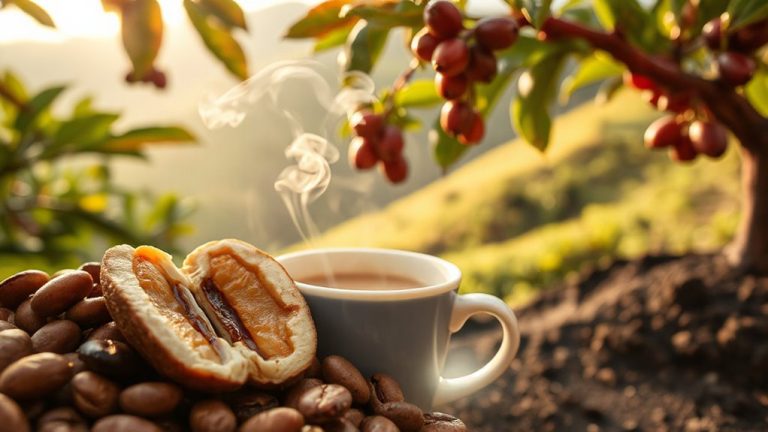
You’re sipping a rare coffee with deep roots in the Philippines, made from hardy Liberica beans-not robusta-once nearly lost to history. Grown in Batangas and Cavite, Barako offers bold, earthy flavors with smoky wood and black pepper notes. Brew it strong using a French press or pour-over to capture its full depth. Authentic sources like Barako Republic offer traceable, small-batch beans. Stick with whole beans and check roast dates for freshness-you’ll uncover more about its revival and taste secrets that follow.
Notable Insights
- Barako coffee comes from Coffea liberica, not robusta, despite common misconceptions about its species.
- It originated in the Philippine highlands, particularly Batangas and Cavite, during Spanish colonial rule.
- Its bold, woody flavor with peppery notes sets it apart from smoother arabica and robusta varieties.
- Once nearly extinct due to war, land reforms, and market shifts, it is now being revived by small farmers.
- Authentic Barako is sourced from heritage farms using traditional methods and sold with full traceability.
What Makes Barako Coffee Unique?
While many coffees are prized for their smoothness or acidity, Barako stands out because of its bold, almost aggressive profile, rooted in its unique botanical origin. You’re dealing with Coffea liberica, a species less common than arabica or robusta, known for its hardy plants and distinct flavor. It delivers earthy, woody notes with a peppery kick, often lingering long after the sip. Because of its intensity, Barako works best when brewed strong-think traditional Philippine salabat-style preparation or using a French press for full extraction. Its cultural significance runs deep in rural communities, where it’s more than a drink-it’s a symbol of resilience. The historical legacy of Barako ties back to 1700s Philippine plantations, once exported globally. Today, it’s rare, but sought after for authenticity, not convenience. If you value flavor with roots, not trends, this bean’s worth exploring.
The Rise and Fall of Philippine Barako Coffee
You’d be looking at a story shaped by colonial ambition when you trace how Barako rose to prominence in the 1700s, as Spanish traders established large-scale plantations in the mountainous regions of Batangas and Cavite. Colonial trade routes turned Barako into a prized export, moving steadily through Manila and into global ports. By the 1800s, demand surged, but monoculture farming weakened long-term sustainability. Later, economic decline hit hard - WWII disruptions, land reform shifts, and rising competition undercut production.
| Era | Production Peak | Major Challenge |
|---|---|---|
| 1700s | High | Labor exploitation |
| 1800s | Highest | Crop vulnerability |
| 1900s | Declining | Economic decline |
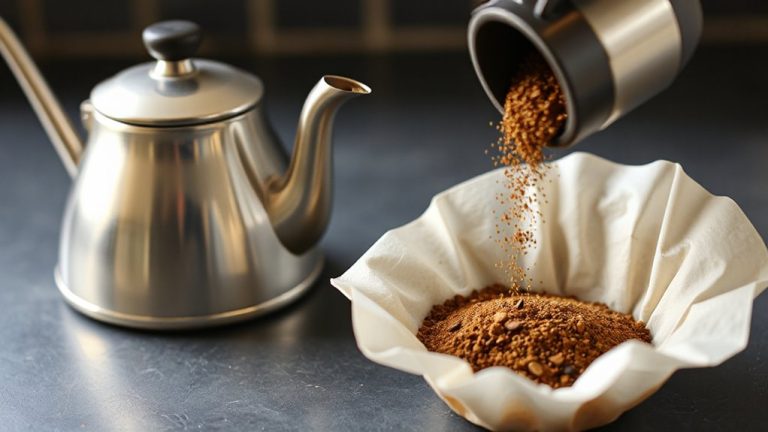
You’ll find that older brewing methods, like cloth filters or traditional *sacudidora*, preserved Barako’s bold profile, though modern drip systems often miss its depth. Relying on outdated infrastructure didn’t help recovery.
Why Barako’s Robusta Bean Stands Apart
Barako’s Robusta bean stands out in the coffee world for reasons that go beyond its strong kick and earthy bite. You’ll notice its bold profile holds up well in milk or sugar-heavy preparations, ideal if you prefer your coffee sturdy and reliable. What makes it unique is its genetic resilience-naturally resistant to pests and harsh conditions, reducing the need for chemical inputs. Grown in a rare terroir, like the highlands of Batangas, the volcanic soil and humid climate shape its distinct character. Unlike mass-market Robustas, Barako isn’t just strong; it’s complex, with woody and floral notes when properly roasted. You don’t need fancy gear to brew it-use a French press or stovetop moka pot for best results. Just keep water just under boiling and grind medium-coarse. It’s practical, hardy coffee for everyday use, no frills needed.
The Revival of Heritage Barako Farms
A growing number of small farms in Batangas and Cavite are bringing back heritage Barako crops, reviving traditional growing methods that prioritize flavor and sustainability. You’ll find farmers using shade-grown techniques and organic compost instead of synthetic inputs, which supports sustainable farming while protecting local ecosystems. These practices aren’t just eco-friendly-they help stabilize yields over time, even with climate shifts. By replanting original Barako stock, growers support heritage preservation, maintaining a genetic and cultural legacy tied to Philippine history. Unlike large monocultures, these plots are often intercropped with fruit trees, reducing soil depletion and improving resilience. Equipment stays simple: manual harvests, depulpers, and raised drying beds guarantee quality without high costs. While slower than industrial methods, this approach suits smallholders aiming for premium, traceable beans. You don’t need advanced tech-just consistent care and attention to detail. The result? A stronger, more authentic Barako revival rooted in tradition and practical ecology.
What Does Barako Coffee Taste Like?
Notes of black pepper, dark chocolate, and smoky wood often define the cup, giving Barako a bold profile that stands out among Southeast Asian coffees. You’ll notice its intensity right away-stronger than most Arabicas and more assertive than typical Robustas. Earthy undertones anchor the flavor, adding depth without bitterness when brewed correctly. Some batches even surprise you with faint floral notes, likely from traditional sun-drying methods used in Batangas and Cavite. Don’t expect fruity brightness or delicate acidity-this isn’t that kind of coffee. It’s best brewed strong, using a French press or pour-over to control extraction. Over-extraction brings out harshness; under-extraction misses its complexity. Use freshly ground beans and water just off boil. Barako’s richness holds up well with milk, but try it black first. That way, you taste everything the revived heritage farms are working so hard to preserve.
Where to Buy Real Filipino Barako Coffee
Where can you actually find real Filipino Barako coffee, not just something labeled in that way? Your best bet is through online retailers that prioritize sustainable sourcing and direct partnerships with small farms in Batangas or Cavite. Look for brands like Sagada Coffee or Barako Republic, which list origin details and farming cooperatives. These sellers often provide traceability and support local growers, guaranteeing authenticity. Big-box stores rarely carry genuine Barako, and blends are common. When buying online, check for roast dates, whole-bean options, and minimal processing claims-freshness matters. Avoid anything sold cheaply in bulk; real Barako is labor-intensive to grow and process. Third-wave coffee sites like Bean Bros or Market Manila sometimes stock it seasonally. Always verify the source. This attention to detail guarantees you’re not just buying a name, but the real, reviving legacy of a rare coffee strain.
How to Brew the Perfect Cup of Barako
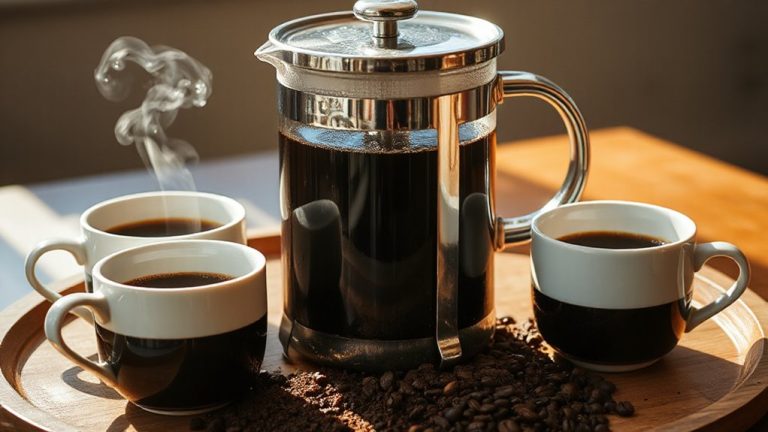
You’ve tracked down authentic Filipino Barako coffee-now it’s time to get the most out of those beans. Start by using freshly ground coffee, since Barako’s bold, earthy notes are best preserved that way. For a full-bodied cup, try a French press: use coarse grounds, steep for four minutes, then press slowly. It highlights the coffee’s intensity and natural spice without paper filters soaking up essential oils. If you prefer something smoother, go for cold brew. Steep medium-coarse grounds in cold water for 12–16 hours. The result is less acidic, with mellowed bitterness-ideal for hot climates. Use a 1:4 coffee-to-water ratio as a starting point, adjusting to taste. Avoid overheating, as high temperatures can amplify harshness. Whichever method you choose, use filtered water and trust the strength of Barako-it doesn’t need milk or sugar to shine. For travel-friendly brewing, consider a manual coffee maker that maintains flavor integrity without electricity.
On a final note
You now know Barako’s bold flavor and history, so brewing it right matters. Use a burr grinder and filtered water for best results-this robusta handles heat well, but over-extraction brings bitterness. Try a French press for richness or pour-over for clarity. Buy whole beans from trusted Philippine farms like Benguet or Sagada to guarantee authenticity. Store in an airtight container, away from light. Real Barako is rare, so check roast dates and avoid blends unless specified.