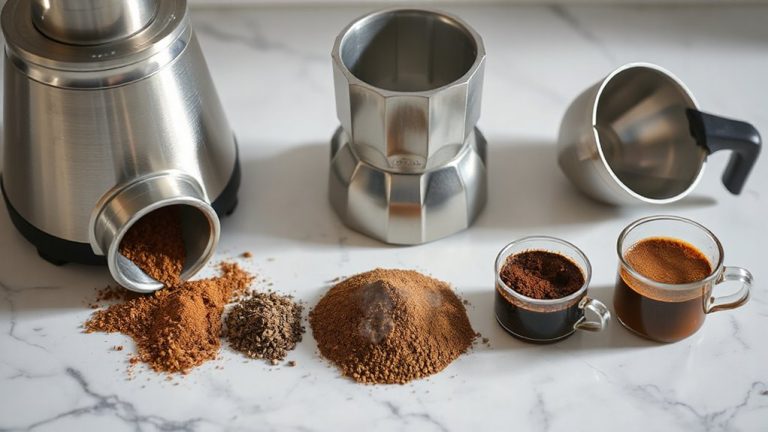
The Role of Pre-Ground Coffee in Commercial Settings and Its Flavor Trade-Offs
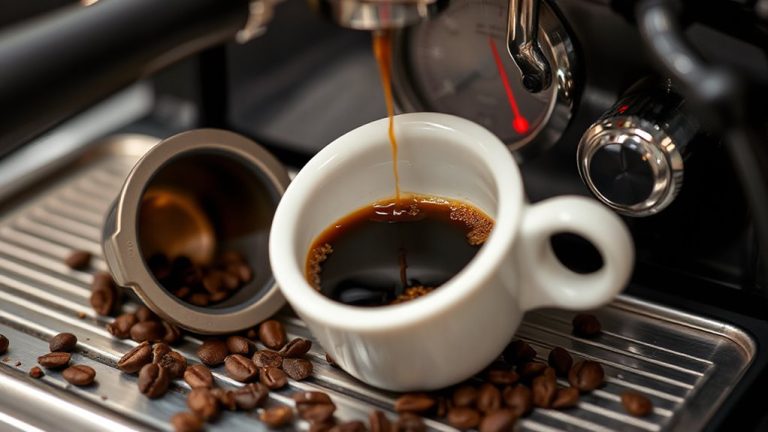
You trade peak freshness for speed with pre-ground coffee, but in high-volume settings like cafés or offices, that keeps up with demand. Grinding degrades flavor fast-aroma fades, oils oxidize-so whole beans stay fresher longer. Still, nitrogen-flushed bags from brands like Starbucks help pre-ground last weeks. For drip brewers or single-serve systems, it’s efficient and consistent. Use fresh grind for espresso, pre-ground for bulk drip during rushes. You’ll see how workflow shapes the balance between quality and pace.
Notable Insights
- Pre-ground coffee enables speed and consistency in high-volume commercial environments like cafés and offices.
- Flavors degrade rapidly after grinding due to oxidation and loss of volatile aromatic compounds.
- Pre-ground coffee should be used within 30 minutes to preserve optimal flavor and aroma.
- Nitrogen flushing and vacuum sealing extend shelf life by limiting oxygen exposure and staling.
- Businesses often balance freshness with efficiency by using pre-ground for drip systems and fresh grind for espresso.
Why Freshness Fades Seconds After Grinding
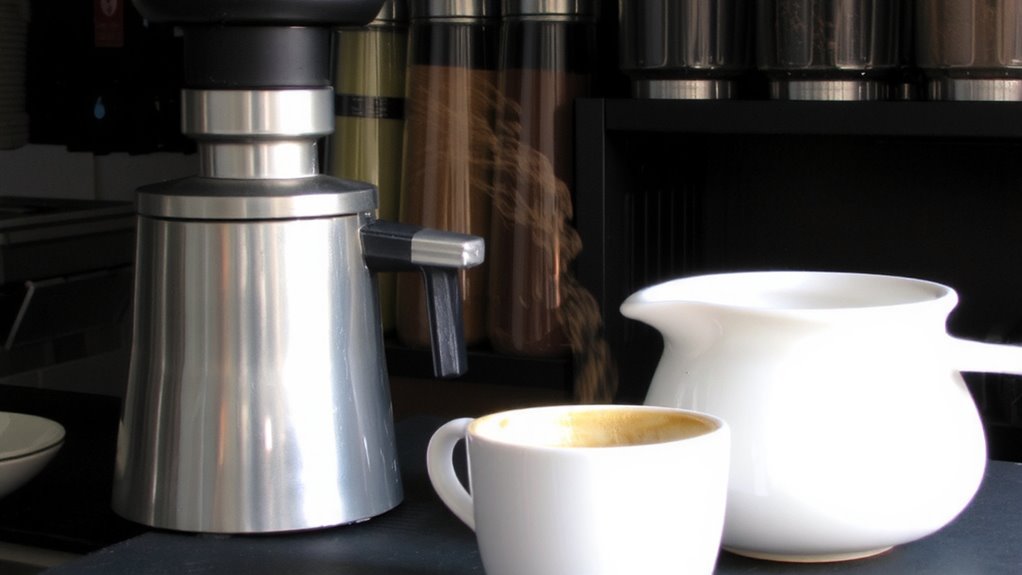
While you might not notice it right away, once coffee beans are ground, the clock starts ticking-fast. The increased surface area exposes the coffee to air, triggering oxidation acceleration that degrades oils and alters taste. At the same time, volatile compound loss begins immediately, letting key aromas escape within minutes. You’re not just losing scent-these compounds carry flavor, so your brew suffers. Whole beans lock in freshness; grinding on demand preserves complexity. In commercial setups, grinding just before brewing guarantees stronger, more nuanced shots or cups. Pre-ground might save time, but it sacrifices peak flavor. If you’re using pre-ground, aim to brew within 30 minutes to minimize damage. For better results, switch to a quality burr grinder and grind per serving. It’s a small step that makes a noticeable difference in flavor clarity and balance-especially with light or medium roasts where subtlety matters. For those relying on convenience, choosing a top-rated pre-ground coffee can help mitigate some freshness-related drawbacks.
How Pre-Ground Coffee Loses Aroma and Flavor Fast
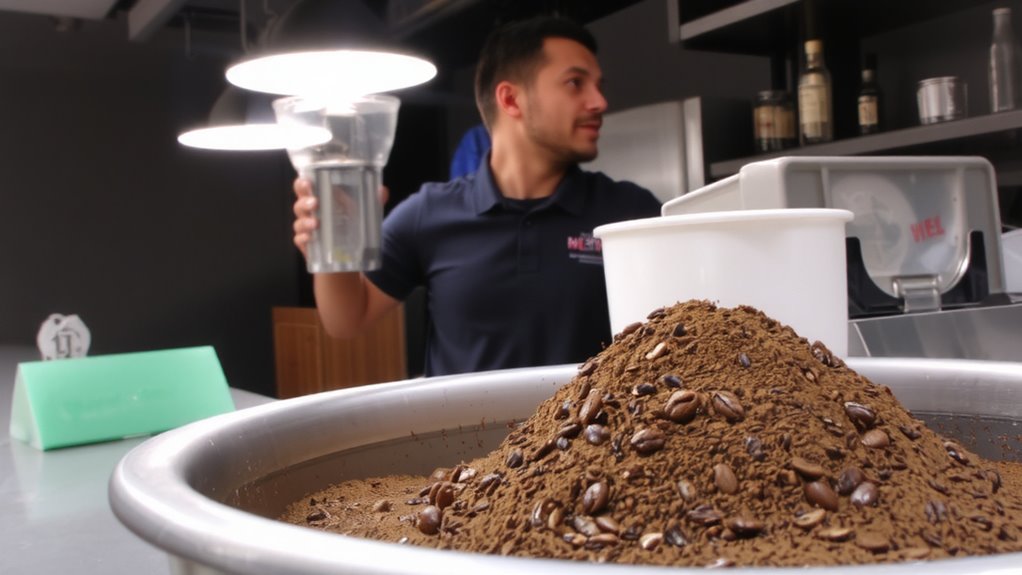
Aroma is the first thing to go when coffee hits the grinder. You expose the beans’ inner oils to air, and within minutes, oxidation effects begin degrading quality. Those rich, complex notes you love? They depend on volatile compound loss staying minimal-but once ground, coffee can’t hold them. Think of it like cutting an apple: once exposed, it browns fast. Pre-ground coffee sits exposed far longer, so by the time you brew, much of the nuance is already gone. Even sealed bags lose freshness because grinding multiplies surface area, speeding up staling. You’re trading peak flavor for convenience. For a café serving dozens per hour, that trade-off might make sense-but it comes at a sensory cost. If you want brighter acidity or floral hints, they’ll be muted. The clock starts the second the bean cracks, so unless you’re brewing immediately, you’re serving flavor that’s already fading.
How Packaging Extends Shelf Life Without Sacrifice
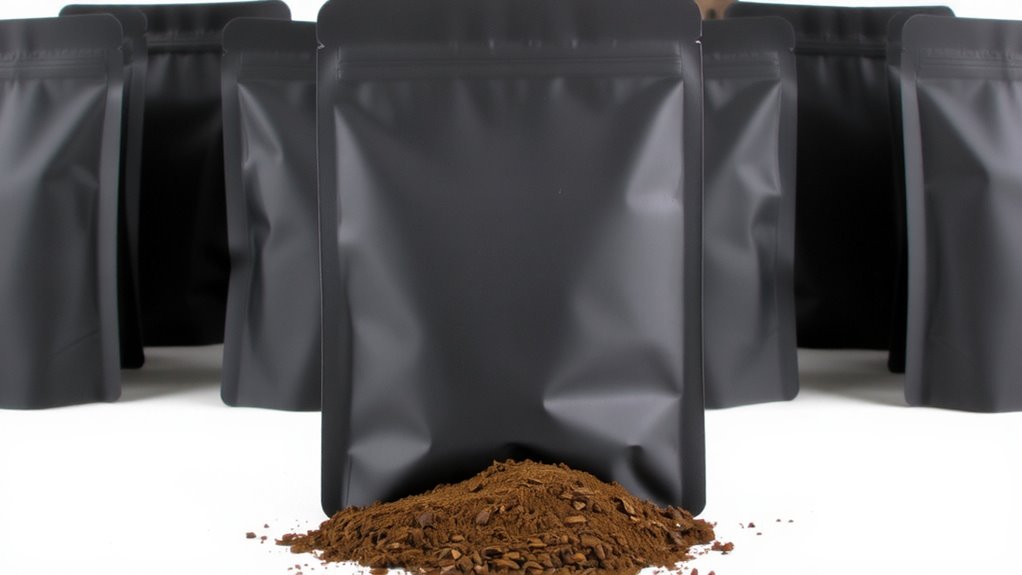
Some coffee brands manage to keep pre-ground coffee fresher for longer, and it’s not magic-it’s packaging. When you buy pre-ground coffee that tastes surprisingly fresh, it’s likely been protected using nitrogen flushing or vacuum sealing. These methods slow oxidation, the main reason coffee loses flavor. Nitrogen flushing replaces oxygen inside the bag with inert nitrogen gas, drastically reducing spoilage. Vacuum sealing sucks out air entirely, creating a tight environment where aromas can’t escape. Both techniques help maintain quality for weeks, even months. High-end brands like Lavazza and Starbucks use nitrogen flushing in their commercial lines. Vacuum-sealed bags are common in supermarkets and wholesale suppliers. You’ll notice these packages feel firm or flat, a sign they’re working. While neither method beats grinding fresh, they make pre-ground options viable without major flavor sacrifice-if stored properly away from light and moisture.
When Equipment and Volume Justify Pre-Ground Use
When speed and consistency matter more than perfect freshness, using pre-ground coffee makes practical sense-especially in high-volume settings like busy cafés, office break rooms, or catering setups. You’re serving dozens or even hundreds of cups per hour, and grinding on demand just isn’t always feasible. Pre-ground simplifies your workflow, boosting equipment efficiency by reducing machine load and minimizing downtime. It also supports volume scalability-you can prep batches fast without bottlenecks. Automatic drip brewers, urns, or single-serve systems work best here, since they don’t require precise grind adjustments. Yes, you lose some flavor nuance, but in environments where output and reliability come first, that’s a calculated trade-off. Just store the coffee properly to preserve quality. Pre-ground isn’t ideal for every shop, but when your priority is throughput, it keeps things moving without sacrificing acceptable taste. Top commercial coffee machines are designed to maintain performance under heavy use, ensuring consistent results even with pre-ground coffee.
Matching Grind Size to Brew Method in Busy Settings
Even if you’re pressed for time, skipping the right grind size for your brew method will cost you more in quality and customer satisfaction than you’d save. Pre-ground might speed things up, but without proper grind consistency, you risk uneven extraction and poor brew efficiency. Matching the grind to your system guarantees reliable results, especially under high demand. Investing in a high-quality mill grinder ensures consistent grind size across high-volume operations.
| Brew Method | Ideal Grind Size | Impact on Efficiency |
|---|---|---|
| Espresso | Fine | High pressure needs uniform particles |
| Pour-Over | Medium-Fine | Balances flow and extraction |
| Cold Brew | Coarse | Prevents over-extraction over long steep |
You’re better off pre-grinding only if the grind size fits your method and stays consistent. Otherwise, you’ll lose in flavor and throughput, no matter how fast the service seems at first.
Balancing Speed and Flavor in Commercial Service
While speed matters during peak hours, you can’t afford to sacrifice flavor if you want repeat customers. Pre-ground coffee saves time, but it degrades faster, hurting brew consistency and overall quality. If you use pre-ground, store it in airtight containers away from light to slow oxidation. You’ll notice better results with darker roasts, as they’re more stable, but lighter roasts lose nuance quickly. Customers notice off-flavors or flat profiles-hurting customer perception. For high-volume shops, a hybrid approach works: pre-portioned, freshly ground beans for espresso, pre-ground only for drip during rush times. Even then, replace the pre-ground every few hours. Automated grinders with timed dosing can help maintain some freshness. It’s a compromise, but with discipline, you can balance speed without destroying flavor.
On a final note
You’ll lose some freshness with pre-ground coffee, but in high-volume settings, it saves time and labor. Mass production means faster service, especially with reliable grinders like the Mahlkönig EK43. Packaging with degassing valves helps preserve flavor, but coffee still degrades faster than whole bean. Match pre-ground size to your brew method-espresso needs finer, drip needs medium. Pre-ground works when speed matters, just expect slight flavor loss. Know the trade-off.