Rediscovering the Lost Art of Bedouin Cardamom-Infused Camel Milk Coffee
You’re missing the true essence if you haven’t tried real Bedouin coffee-brewed in a dallah over desert fire, using camel milk and freshly crushed cardamom. It’s simmered gently to preserve flavor, with milk warmed just enough to froth. Served in finjans, it’s a symbol of hospitality. Modern versions use cow’s milk or electric tools, but they lack the depth. Stick to low heat and authentic ingredients if you want the real profile. There’s more to how it’s served and sourced than most realize.
Notable Insights
- Bedouin camel milk coffee blends camel milk and cardamom in a fire-brewed tradition using a dallah pot.
- Camel milk offers high vitamin C, digestibility, and is tolerated by many with lactose sensitivity.
- Cardamom enhances flavor, masks off-notes, and adds antiseptic qualities to the desert-adapted drink.
- Brewing involves roasting Arabica beans, simmering with cardamom, and carefully frothing camel milk over low heat.
- Authentic preparation persists in Saudi Arabia, Jordan, and UAE, especially during cultural festivals in AlUla and Wadi Rum.
What Makes Bedouin Camel Milk Coffee Unique
While most coffee traditions rely on cow’s milk and standard spices, Bedouin camel milk coffee stands out because it combines two distinctive ingredients-camel milk and cardamom-in a way that’s both practical for desert living and deeply rooted in regional custom. You’ll find camel milk is richer in vitamin C and more digestible than cow’s milk, ideal in harsh climates. Cardamom adds natural antiseptic properties and helps mask any off-flavors. Unlike stationary brewing methods, this coffee is made over an open fire using a dallah, a traditional spout壶 designed for sand-resistant pouring. Desert foraging supplies the fuel-dried acacia or camel dung-while nomadic rituals dictate the slow simmering process to preserve nutrients. It’s portable, resilient, and built for mobility. The resulting brew is slightly salty, aromatic, and energizing-perfect for long desert treks. No electric gear needed; just skill and practice.
The Bedouin Tradition of Coffee as Hospitality
If you’ve ever been welcomed into a Bedouin tent, you’ve likely been offered coffee-and not just as a drink, but as a sign you’re now a guest under protection. Coffee rituals are central to Bedouin culture, where serving coffee isn’t optional but a duty tied to honor and respect. You’re expected to accept the first cup; declining is seen as rejecting hospitality. These rituals unfold slowly, with the host pouring from a dallah (traditional Arabic coffee pot) into small cups without handles. At desert gatherings, men often sit in circles on rugs, passing coffee in a strict order-right to left-emphasizing unity and social bonds. The process reinforces status, strengthens alliances, and maintains tradition. Whether during conflict mediation or festive occasions, coffee defines the interaction. You’ll notice it’s never rushed-each pour and sip follows unspoken rules, making the act as important as the drink itself.
How Authentic Bedouin Coffee Is Brewed
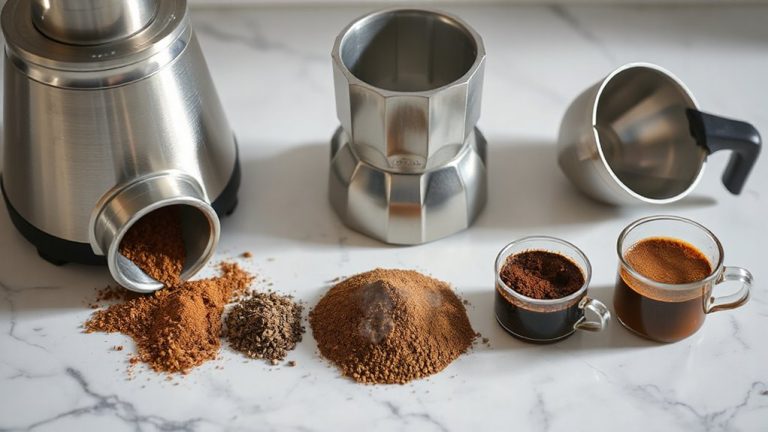
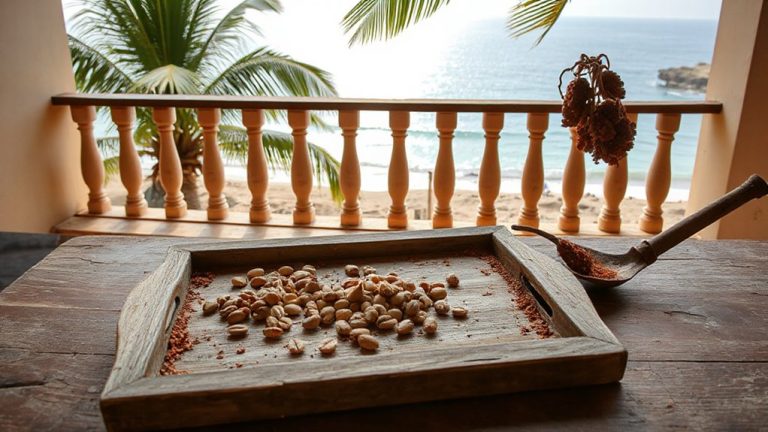
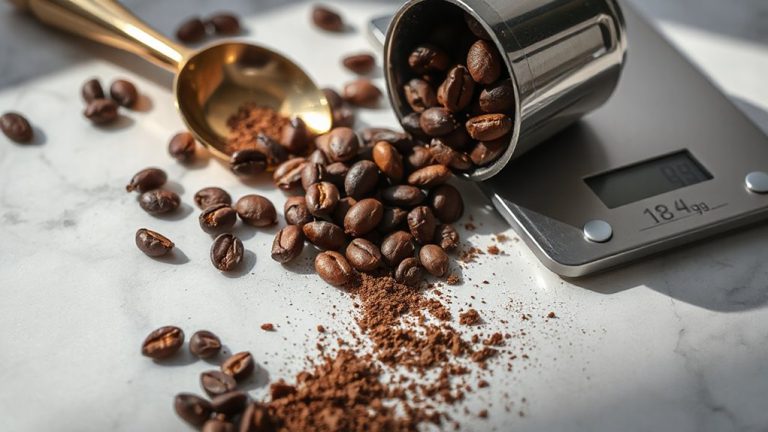
Since the flavor of authentic Bedouin coffee depends heavily on both technique and ingredients, you’ll need to start with freshly roasted Arabica beans ground fine, though some tribes prefer a medium grind for a smoother brew. Traditional coffee roasting techniques involve slow-drying beans over low heat, often in a skillet or metal pan, allowing even development and a deep, earthy profile. Once ground, brew the coffee in a dallah-a long-spouted coffee pot-using water and, optionally, lightly crushed cardamom. Simmer gently without boiling to preserve aroma. For serving, warm camel milk is frothed using a handheld milk frother or traditional swirling method in a jikan, though camel milk frothing requires care due to its low fat content and tendency to overheat. The result is a rich, aromatic coffee with a light foam on top, ready to pour in small finjan cups following custom. Use consistent heat and fresh ingredients for best results.
Cardamom and Camel Milk: A Cultural Flavor Pairing
You’ll find that cardamom and camel milk aren’t just ingredients-they’re staples of a longstanding tradition that shapes the character of Bedouin coffee. Cardamom origins trace back to the Middle East and India, where its warm, slightly citrusy notes made it a prized addition to daily beverages. When crushed lightly and added during brewing, it infuses the drink with complexity without overpowering it. Camel milk, central to desert communities, offers natural sweetness and fewer allergens than cow’s milk, one of its key camel milk benefits. It’s rich in vitamins and tolerable for many with lactose sensitivity. Combined, these elements create a smooth, aromatic coffee that’s both nourishing and deeply cultural. You don’t need special gear-just a dallah or small pot and careful heat control. The pairing works best when both ingredients are fresh, letting their authentic profiles shine in every cup.
Modern Versions of Bedouin Camel Milk Coffee
While staying true to tradition matters to many, modern versions of Bedouin camel milk coffee have started appearing in urban cafes and home kitchens with a twist. You’ll find modern adaptations using cow’s milk or plant-based alternatives when camel milk isn’t available, though the flavor shifts slightly. Urban cafes often use electric frothers and espresso machines to speed up prep, trading the traditional dallah pot for consistency and convenience. Some baristas still crush cardamom by hand, but pre-ground works fine if freshness is maintained. You can recreate this at home with a small saucepan and fine sieve-low heat prevents scorching. While traditionalists may frown, modern adaptations make the drink more accessible without completely losing its essence. Just remember: fresh cardamom and slow simmering deliver the best aroma, whether you’re using camel milk or a substitute.
Where to Experience Authentic Bedouin Coffee Today
Authentic Bedouin coffee is still served in its truest form across parts of Saudi Arabia, Jordan, and the United Arab Emirates, especially in desert communities where tradition guides daily life. You’ll find it brewed fresh in copper dallah pots, using finely ground coffee, cardamom, and camel milk over open fires. For a firsthand experience, join Bedouin coffee festivals in AlUla or Wadi Rum, where elders demonstrate time-honored techniques and share insights into hospitality customs. Cultural coffee tours in Abu Dhabi’s Liwa Oasis or Jordan’s Petra region offer structured access, often including kit displays of traditional tools like the finjan and mihmas (a small roasting pan). These tours let you compare camel milk’s richness to goat or cow milk variants and assess flavor impact. While some modern spots serve adaptations, only remote encampments and official cultural events guarantee authenticity. Bring notes if needed-details on grind size and simmer time matter.
On a final note
You’ll need a dallah or small pot to brew this coffee properly, as even heat matters. Use freshly ground beans, whole cardamom pods crushed lightly, and warm camel milk-don’t boil it. Simmer everything together just once to avoid bitterness. While modern versions use cow’s milk or sweeteners, traditional prep stays simple. For authenticity, seek out cultural camps in Jordan, Saudi Arabia, or the UAE where Bedouins still serve it daily.