Using Reclaimed Water Responsibly in Large-Scale Washed Coffee Facilities
You can cut freshwater use by up to 60% in large-scale washed coffee processing by reusing water from pulping and fermentation. First, run it through settling tanks to remove solids, then use sand or mesh filters to prevent clogs. Test regularly for turbidity and pH-you want under 5 NTU and COD below 100 mg/L. Use reclaimed water for pulping or pre-rinsing, never in final washes. Facilities in Colombia and Ethiopia prove this works at scale, cutting costs and environmental impact. There’s more to get right, especially as systems grow.
Notable Insights
- Implement settling tanks and sand filtration to remove solids before reusing wastewater in pulping operations.
- Regularly test reclaimed water for turbidity, pH, and COD to ensure it meets safety thresholds below 5 NTU and 100 mg/L COD.
- Reuse filtered water for depulping and pre-rinsing, but avoid using it in final wash or fermentation stages to prevent flavor defects.
- Scale closed-loop systems with membrane bioreactors or reverse osmosis for high-volume mills aiming to cut freshwater use by up to 60%.
- Source water quality determines treatment needs; adapt filtration and monitoring protocols based on initial contamination levels.
Why Water Reuse Matters in Washed Coffee Processing
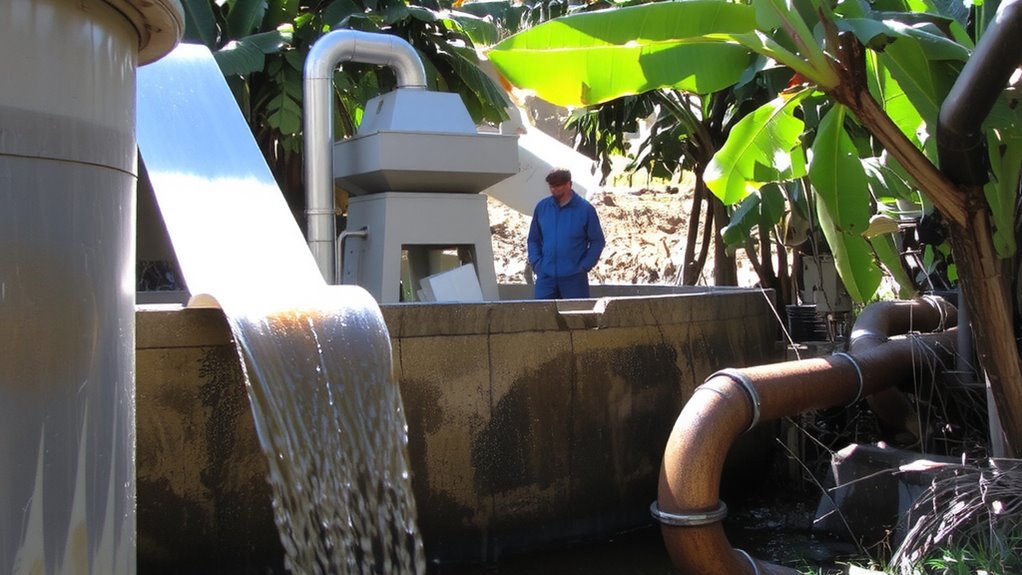
While washed coffee processing delivers clean, bright flavors, it demands large volumes of water-often 30–60 liters per kilogram of coffee-and generates polluted wastewater that can harm local ecosystems if not managed properly. You face a real challenge when water scarcity affects your region, making every drop count. Without reuse, you risk depleting local supplies and failing in your environmental stewardship. Many farms in Central America and East Africa already struggle during dry seasons, so relying on wasteful methods isn’t sustainable. You can reduce impact by reusing water in pulping or clarification, but you’ll need basic settling tanks or filters to prevent equipment clogs. It’s not about perfection-it’s about progress. Reusing water wisely helps you maintain quality while cutting environmental costs. In the long run, that balance protects both your operation and the environment.
How Coffee Mills Produce Wastewater for Reuse
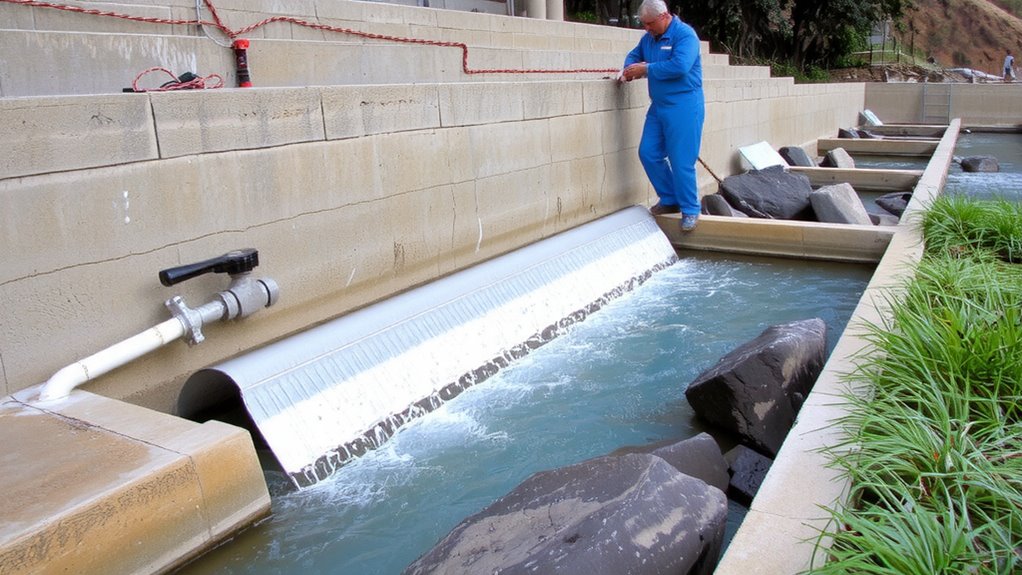
Because you’re dealing with fresh coffee cherries, you’ll need to remove the pulp and mucilage right after harvest, and that process is where most wastewater begins. You typically use a depulper and ferment-and-wash method, both of which require large volumes of water. This runoff, loaded with organic matter, becomes wastewater. Your water sourcing-whether from rivers, wells, or municipal supplies-directly affects how much you’ll need to reclaim. In high-volume mills, inefficient systems can increase energy consumption due to pumping and processing demands. Using more water than necessary raises both costs and environmental impact. Closed-loop systems aren’t standard, so much of the used water ends up in settling tanks. But that same water, once treated, can be reused for washing later batches or irrigation, cutting down future water sourcing needs and reducing energy consumption across operations.
How to Clean Wastewater: Filtration and Settling
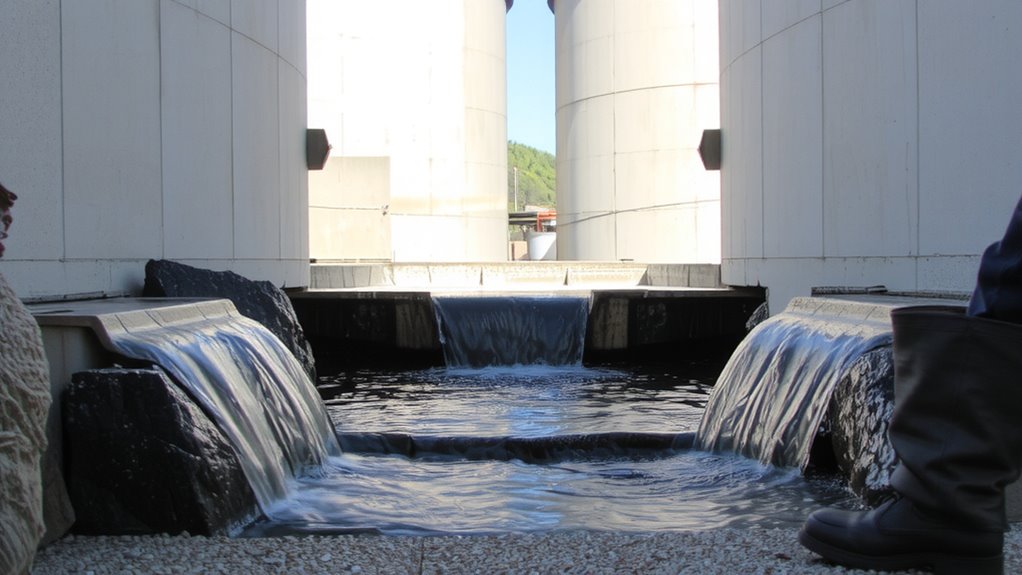
If you’re working with wastewater from coffee processing, the first real step in cleaning it is letting solids settle out, which happens naturally in settling tanks. This process is vital for sediment separation, allowing heavier organic material to sink so you can remove it before further treatment. After settling, you’ll move to filtration-using sand, mesh, or membrane filters-to achieve effective particle removal of smaller suspended solids. Sand filters are common in large mills because they’re durable and handle high volumes well, while mesh filters work for finer debris but need frequent cleaning. Without proper filtration and settling, downstream systems like bioreactors or drip irrigation can clog or fail. These steps don’t fully purify water, but they’re essential prep work. You’re not eliminating pathogens here-just preparing the water for the next stage. Do this right, and your system runs smoother with less maintenance.
Is Reclaimed Water Safe? Testing and Thresholds
How clean is clean enough when it comes to reusing water in your coffee facility? It depends on consistent water quality checks. You’ve got to test regularly for pH, turbidity, and organic load-tools like portable spectrophotometers or test strips make this doable onsite. High organic content or low pH means higher contamination risks, which can harm bean quality or clog processing systems. Set clear thresholds: for example, turbidity below 5 NTU and COD under 100 mg/L are common safety targets. Don’t assume filtration alone is enough-verify results every time. Automated sensors help, but spot-checking keeps you honest. If test results drift beyond set limits, stop reuse until you fix the issue. Managing water quality isn’t optional; it’s how you avoid microbial growth and chemical buildup. Stay on top of this, and you’ll cut risks without sacrificing efficiency.
When to Use Reclaimed Water in Coffee Processing
Timing matters when using reclaimed water in your coffee processing. You can use it effectively during pulping and initial rinsing, where ultra-pure water isn’t critical. Reclaimed water works well here because it reduces freshwater demand without compromising bean quality. However, avoid using it in final fermentation washes or last rinses-those stages need clean water to prevent off-flavors. For best results, monitor water quality closely and match reclaimed water use to non-sensitive steps. This approach supports water conservation and improves resource efficiency across your operation. You’ll maintain batch consistency while lowering strain on local supplies. Some facilities in Colombia and Rwanda already time reclaimed use this way, aligning with wet mill flow. It’s not about replacing all water use-it’s about strategic reuse. When applied correctly, reclaimed water becomes a practical tool, not a compromise.
How Water Reuse Lowers Costs and Environmental Impact
You’re already using reclaimed water during pulping and initial rinsing, which means you’re set to see real savings and lower environmental strain. Reusing water reduces freshwater intake and discharge, supporting resource conservation and energy efficiency by cutting pumping and treatment demands. Over time, this lowers utility bills and eases pressure on local water systems. Below are key impacts of water reuse:
| Benefit | Effect |
|---|---|
| Lower freshwater use | Reduces strain on local sources |
| Decreased wastewater volume | Cuts treatment costs and pollution |
| Improved energy efficiency | Less energy for water pumping and heating |
| Enhanced resource conservation | Supports long-term operational sustainability |
You don’t need expensive gear to start-simple settling tanks and filters work well. Just monitor water quality regularly to avoid buildup. This isn’t just good for the planet; it’s a smart business move.
Scaling Water Reuse in Large Coffee Facilities
Many large coffee facilities find it practical to scale water reuse once they’ve mastered basic recycling in pulping and rinsing. You can expand your system by integrating settling tanks, filtration units, and closed-loop circuits that treat and reroute water efficiently. Upgrading this way improves energy efficiency, as less water needs heating or pumping. Reliable water sourcing becomes more stable, reducing dependence on seasonal rainfall or municipal supplies. Systems like membrane bioreactors or reverse osmosis work well at scale but require consistent maintenance and monitoring. You’ll need to balance upfront costs with long-term savings in water and wastewater fees. Some farms in Colombia and Ethiopia have cut freshwater use by 60% using these models. Smaller operations might not benefit as much, but if you process over 20,000 kg of cherry daily, scaling reuse makes economic and environmental sense. Always test water quality regularly to avoid affecting bean flavor or equipment longevity.
On a final note
You can reuse water in large-scale washed coffee processing if you treat it properly. Settling tanks and filtration remove solids, while testing guarantees pH and contamination stay within safe limits. Use reclaimed water for washing or hulling, not final rinses. It cuts costs and reduces environmental impact. But monitor regularly-poor treatment risks bean quality. Well-managed systems, like those in modern Ethiopian or Colombian mills, prove it’s viable at scale.