Moka Pot Brewing Fundamentals: Achieving Perfect Pressure Release
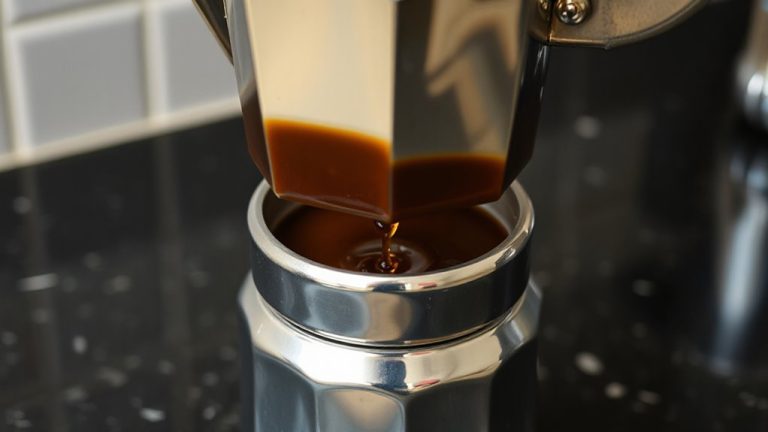
You need steady heat to build pressure evenly-start on medium to avoid burning your coffee. Watch for a smooth hiss and rich, caramel-colored stream, then pull the pot when it trickles. Use a Bialetti on induction or gas for better control, and never leave it heating after brewing stops. A worn gasket or dirty seal causes leaks, so check it monthly. Cool the base to halt extraction fast. Your next brew’s consistency starts now.
Notable Insights
- Ensure a tight seal with an intact gasket to maintain proper pressure and prevent steam leaks.
- Use medium heat to achieve steady pressure buildup without risking over-extraction or damage.
- Match burner size to the pot base for even heating and consistent pressure development.
- Remove the moka pot from heat when flow slows to a trickle to prevent bitterness from residual heat.
- Clean and inspect the gasket, filter, and valve regularly to preserve seal integrity and optimal function.
Why Pressure Release Makes or Breaks Your Brew
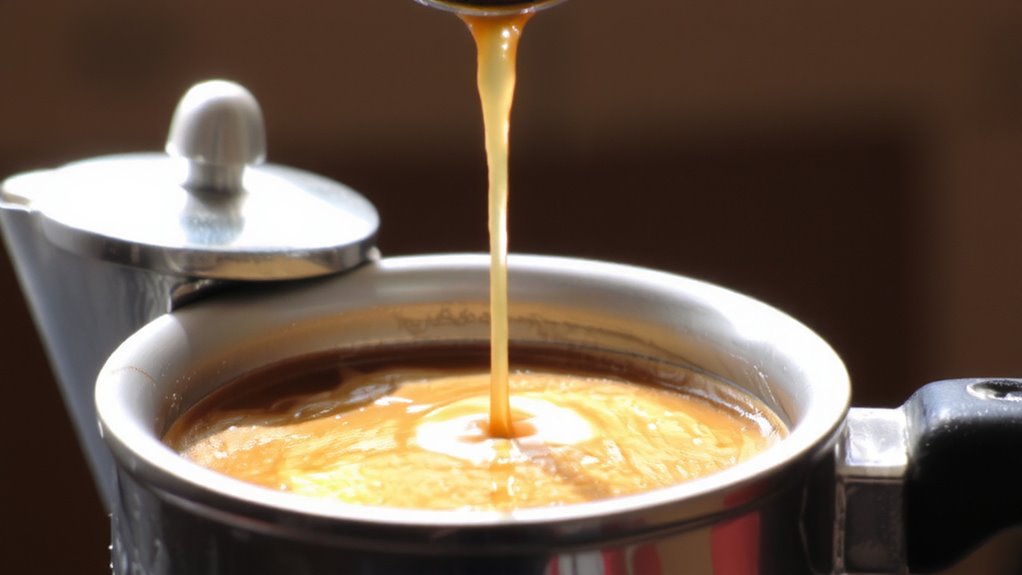
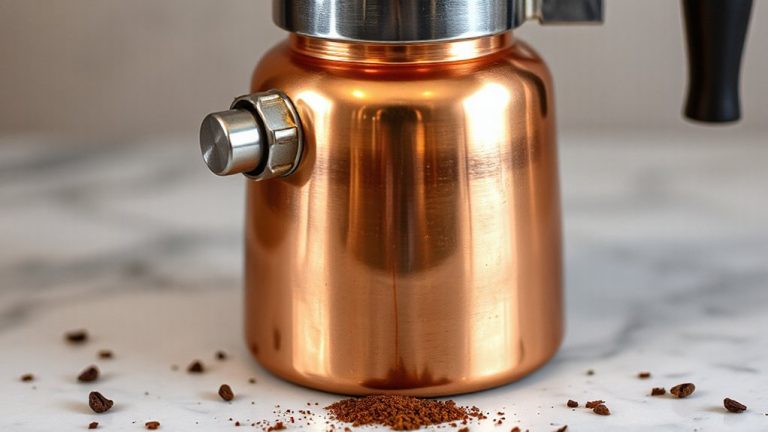
While you might not think much about the moment your moka pot stops gurgling, that final burst of steam is actually a critical signal-once it happens, leaving the pot on the heat ruins your brew. At this point, pressure has dropped, and continued heating risks burning the coffee or damaging the valve function. The valve, usually on the handle side, releases excess pressure safely, but only works properly if the seal integrity is intact. A worn gasket or warped base can cause steam leaks, leading to weak, uneven extraction. Always check the rubber gasket and filter plate after cleaning-debris or tears compromise the seal. Stainless steel models like the Bialetti Induction retain seal integrity longer than aluminum ones. Turning off the heat immediately after brewing preserves both flavor and valve function. Overheating stresses components, shortening lifespan. Proper timing and maintenance guarantee consistent, strong coffee with every use. For those who prefer a hands-off approach, electric Turkish coffee makers offer consistent heat control without the risk of overheating.
How Heat Triggers Pressure Release in Your Moka Pot
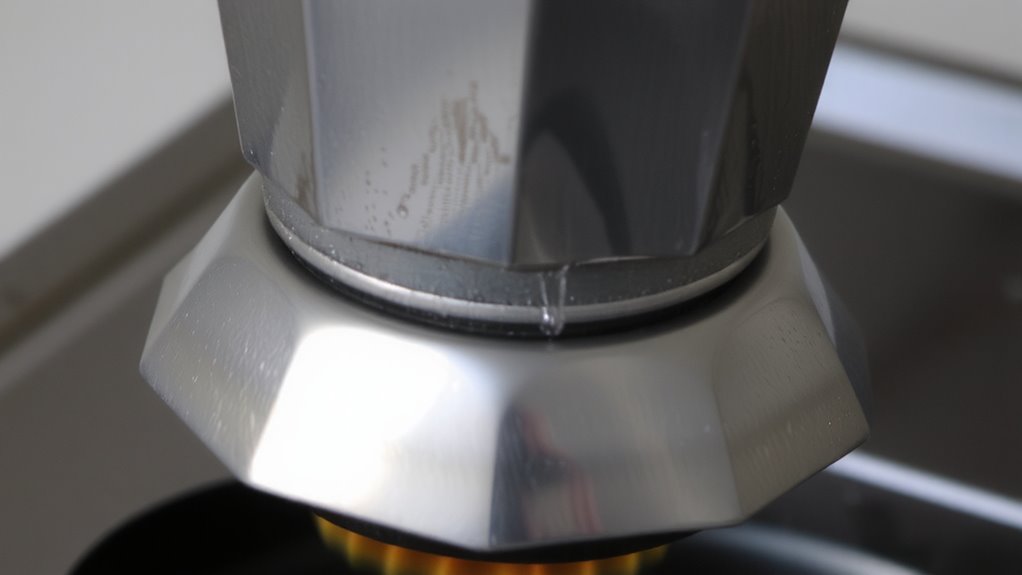
As heat builds in your moka pot, steam pressure rises inside the lower chamber, pushing water through the coffee grounds and into the upper chamber. This process relies on precise heat dynamics-too high, and you’ll get rapid steam buildup that risks over-extraction or burning; too low, and the brew slows, yielding weak coffee. The ideal heat level maintains steady, controlled pressure. On a stovetop, medium heat works best for most pots, especially aluminum models like Bialetti. Stainless steel versions can handle slightly higher heat but still need monitoring. Electric stoves demand extra care due to residual heat. The steam buildup must be strong enough to move water fully but not so violent it bypasses the coffee or causes sputtering. Your burner size should match the pot’s base to distribute heat evenly and avoid hot spots that disrupt pressure consistency. For optimal performance on electric stoves, consider models specifically designed for even heat distribution, such as the best Moka pots for electric stoves.
Signs of a Perfect Pressure Release
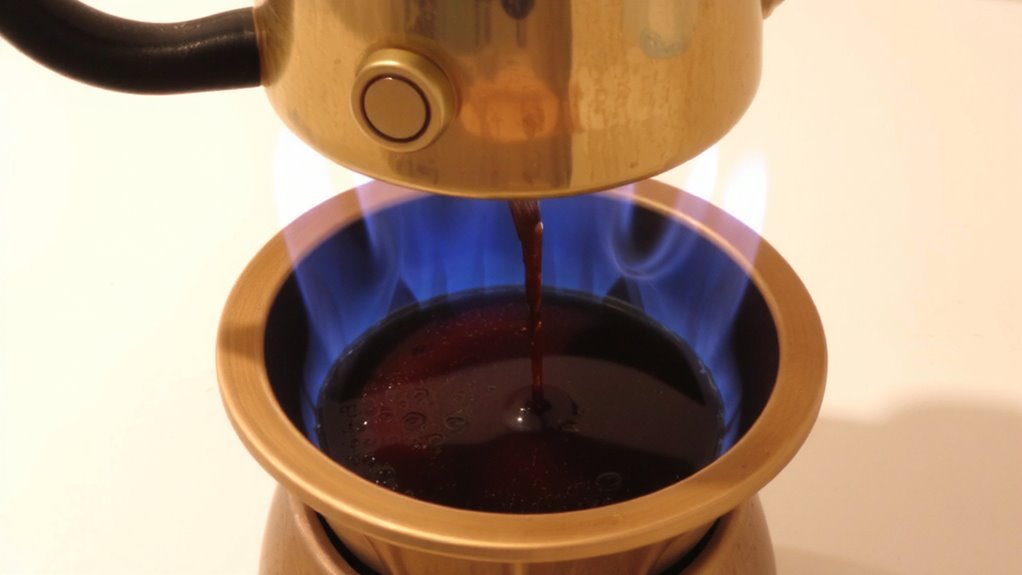
When the pressure builds just right in your moka pot, you’ll hear a distinct change in the overriding sound-what starts as a soft gurgle shifts into a steady hiss, signaling that hot water is moving cleanly through the coffee grounds. This consistent flow guarantees brew symmetry, meaning all the grounds contribute equally to extraction. Without it, you risk channeling and uneven flavor balance. A proper rise in coffee into the upper chamber should be smooth and continuous, not sputtering or spurting.
| Indicator | Ideal Sign | What It Means |
|---|---|---|
| Sound | Steady hiss | Uniform pressure and flow |
| Flow rate | Constant stream | Good brew symmetry |
| Color | Rich, caramel brown | Balanced extraction |
| Foam | Light crema layer | Proper heat and grind |
| Fill level | Even fill, no overflow | Controlled pressure release |
Watch these signs-they tell you when flavor balance is on track. Choosing the right Moka pot design can significantly influence how consistently these ideal brewing conditions are achieved.
Remove the Pot at the Right Moment
Once the coffee starts slowing to a trickle and you hear stutter slows and the top chamber fills, usually within 2–4 minutes, depending on stove type. Gas stoves offer better heat stability, letting you control the shift smoothly. Electric coils can retain heat longer, so lift the pot a few seconds sooner. Induction requires even more care due to rapid, consistent heating. If you wait too long, residual heat continues brewing, increasing bitterness. For best results, place the pot on a cool surface or run the base under water immediately after removing. This stops extraction and preserves flavor clarity. Timing precision and heat stability are key to avoiding over-extraction every time.
Avoid These 3 Pressure Release Mistakes
You just stopped the brew at the right moment-good. Now, avoid these 3 pressure release mistakes. First, don’t let the pot keep heating after the spout gurgling stops. Residual heat builds excessive pressure, risking over-extraction or scalded coffee. Second, never open the pot immediately. Trapped steam can burn you, and the sudden drop disrupts flavor stability. Wait 30–60 seconds for natural pressure equalization. Third, don’t ignore the steam hissing after removal. If hissing continues too long, your seal or valve might be faulty-check the gasket and safety valve regularly. Stainless steel models like Bialetti Induction or Flair models handle pressure better than cheap aluminum ones. Proper shutdown matters as much as brewing. Control the cooldown like you control the heat: deliberately, with attention. That’s how you preserve taste and extend your pot’s life.
Use Grind and Water to Control Pressure Release
A well-chosen grind and clean water aren’t just basics-they’re pressure controls in disguise. Your grind size directly impacts how fast pressure builds: too fine, and you risk clogging and excessive pressure; too coarse, and steam escapes too quickly, leading to weak brew. Aim for a consistency like table salt-ideal for most moka pots. The water level also matters. Always fill to just below the safety valve in the lower chamber. Overfilling reduces space for steam, limiting pressure buildup, while underfilling can cause overheating or burning. Use fresh, filtered water for consistent results-mineral balance affects both extraction and pressure stability. Together, proper grind size and correct water level give you predictable, controlled brewing. You’re not just making coffee-you’re managing a small steam engine. Get these two factors right, and you’ll avoid surges, sputters, and sour shots every time.
Clean Up and Reset for Consistent Brews
Though cleaning might seem like an afterthought, skipping it guarantees inconsistent brew packs and can shorten your moka pot’s life. Right after brewing, disassemble the pot and rinse all parts with warm water-never use soap, as it leaves residues that affect flavor. Regular moka pot maintenance means checking the gasket and filter for wear; replace them annually or if you notice leaks or odd pressure behavior. Perform a brew chamber inspection each time: look for coffee buildup or mineral deposits, especially if you use hard water. These clogs restrict water flow and disrupt pressure, leading to bitter or weak coffee. A monthly deep clean with vinegar or a dedicated descaling solution keeps internals clear. Always dry the pot fully before reassembling to prevent mold or odors. Staying on top of cleanup guarantees each brew starts from the same clean baseline-critical for repeat desper results.
On a final note
You’ve got the basics now: timing and heat control make or break the pressure release. Pull the pot just as the gurgle starts-late means bitter coffee. Use medium-fine grind and fresh, cold water for steady pressure. Avoid high heat or letting the pot boil dry. Clean the filter and gasket after each use. A well-maintained Bialetti or TIMESA works better, longer. Stay consistent, and your brew will stay strong and smooth.