From Bean to Cup: How Single Origin Beans Elevate Your Brew
You get a clearer taste of origin with single origin beans, since they come from one specific farm or region. Soil, altitude, and climate-like Ethiopia’s highlands or Sumatra’s volcanic earth-directly shape flavors, from floral and bright to earthy and bold. Use a pour over or AeroPress to highlight those nuances, and always grind fresh. Stick to beans roasted 2–4 weeks ago for peak flavor. Light roasts preserve complexity, while dark roasts add smokiness. There’s a profile to match your preference-and another layer to discover next.
Notable Insights
- Single origin beans showcase distinct flavors shaped by their unique regional terroir, such as soil and climate.
- Traceable sourcing reveals farm, altitude, and harvest details, enhancing transparency and quality assurance.
- Limited-origin beans highlight subtle notes like citrus or florals, especially in light to medium roasts.
- Pour over and AeroPress methods best express the nuanced, terroir-driven characteristics of single origin coffee.
- Freshly ground single origin beans within 2–4 weeks post-roast deliver peak aroma, complexity, and flavor clarity.
How Single Origin Differs From Blends
One key difference between single origin and blended coffees lies in their source: single origin beans come from a specific region, farm, or cooperative-like Ethiopian Yirgacheffe or Colombian Huila-giving you a clearer snapshot of a particular place’s climate, soil, and processing methods. Blends mix beans from multiple origins to achieve consistency or a target flavor profile. This makes origin comparison easier with single origin coffees since you taste distinct characteristics from one place. Bean sourcing is more traceable, often labeled with farm name, altitude, and harvest date. Blends prioritize balance and are common in espresso, while single origin lets you explore unique flavors-like citrus or floral notes-in a straightforward brew. If you’re using a pour-over or AeroPress, single origin highlights subtle nuances. For consistent espresso shots, blends might work better. Choose based on your gear and how deep you want to go in understanding your cup. Exploring best single-origin coffees can introduce you to some of the most distinctive and celebrated flavors in the coffee world.
How Terroir Shapes Single Origin Flavor
Your coffee’s flavor starts long before the roast-its terroir, the natural environment where the beans grow, plays a decisive role. Soil composition directly affects nutrient uptake, influencing bean density and flavor clarity. Volcanic soils, like those in Sumatra, often yield earthy, full-bodied cups, while mineral-rich highland soils in Ethiopia can enhance floral and citrus notes. You’ll also taste the impact of microclimate effects-subtle shifts in temperature, rainfall, and shade. For example, beans from Colombia’s Andean slopes benefit from consistent mist and mild temps, producing balanced acidity. In Kenya, sudden sun and altitude changes sharpen fruity brightness. These conditions aren’t just background; they shape sugar development during ripening. When you choose single origin, you’re tasting specific geography, not a blended average. That distinctiveness means results vary more from batch to batch, which matters when you prioritize flavor precision. Discovering the unique profile of Finest Colombian Coffee Beans can deepen your appreciation for how origin defines taste.
Best Brewing Methods for Single Origin
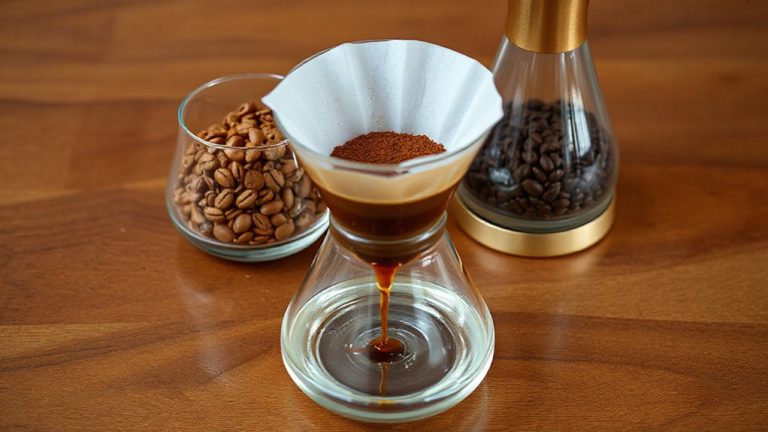
The unique flavors shaped by terroir show up most clearly when you choose the right brew method. For single origin beans, clarity matters most, so methods that let you control brew temperature and grind consistency work best.
| Method | Grind Consistency | Brew Temp Range |
|---|---|---|
| Pour Over | Medium-fine | 195°F–205°F |
| AeroPress | Fine | 175°F–205°F |
| French Press | Coarse | 195°F–205°F |
Pour overs like Hario V60 highlight acidity and floral notes with precise heat control. AeroPress offers flexibility-use lower temps to mellow brightness. French press brings out body but may mute subtle nuances if grind consistency is off. Always grind fresh: uneven particles cause under- or over-extraction. Match your method to the bean’s profile, and you’ll taste the place it’s from-cleanly and truly. Enthusiasts often find that using a pour-over coffee maker enhances the clarity and flavor precision crucial for showcasing single origin characteristics.
Why Freshness Elevates Single Origin Coffee
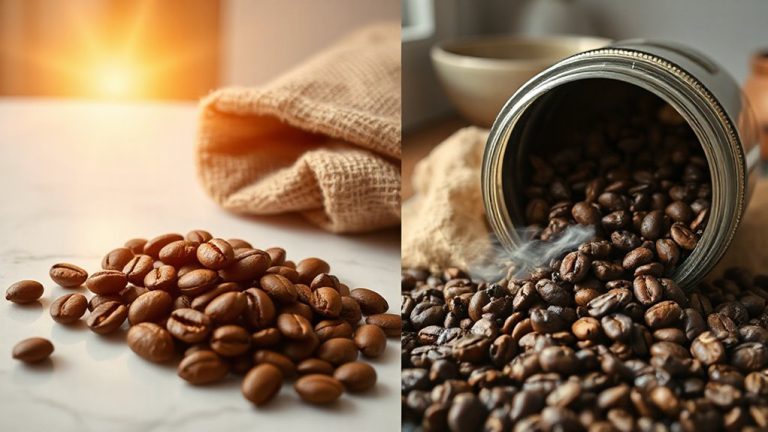
Freshness isn’t just a suggestion-it’s the deciding factor in whether your single origin coffee delivers on its potential. When beans are roasted, they begin releasing carbon dioxide and volatile compounds that carry flavor and scent. The fresher the beans, the better the aroma preservation and flavor intensity. Ideally, you should brew within 2–4 weeks post-roast, when the balance of gases and oils is ideal. Stale beans lose complexity, resulting in flat, dull cups. Buying whole bean and grinding just before brewing helps maintain freshness. Airtight containers in a cool, dark place work better than refrigeration, which can introduce moisture and odors. Pre-ground coffee sacrifices both aroma preservation and flavor intensity quickly. If you want to taste the distinct notes-like citrus in Kenyan beans or cocoa in Guatemalan-freshness isn’t optional. It’s essential. Your gear and method matter, but none of it compensates for old beans.
How to Pick Your Next Single Origin by Taste
Now that you’ve got your beans fresh, it’s time to think about which flavors you actually want in your cup. Start by checking the flavor notes listed on the bag-these hint at what you’ll taste, like citrus, chocolate, or stone fruit. Light roast levels preserve more of the bean’s original character, so choose them if you want bright, complex flavors. Dark roasts bring out bolder, smokier notes but mute subtler elements. If you’re new to single origin, try a medium roast-it balances acidity and body while revealing key flavor notes. Don’t guess; keep a quick log of beans you like, noting origin and roast levels. Ethiopian beans often have floral, fruity notes, while Sumatran ones lean earthy. Matching your brew method helps too: pour-over highlights clarity, French press emphasizes body. Pick based on taste, not hype.
On a final note
You now know how single origin beans offer unique flavors shaped by their region, unlike blended coffees. Light roasts preserve origin character, best brewed via pour-over or AeroPress for clarity. Freshness matters-grind just before brewing, and use beans within 2–4 weeks of roast. Try Ethiopian beans for fruity notes or Guatemalan for chocolatey depth. Match your taste preferences with origin profiles, and store beans in an airtight container away from light.