Coffee Grading Standards Explained: What You Need to Know About Quality Control in Coffee Production
You’ll find coffee grading separates high-quality beans by size, density, moisture (10–12% is ideal), and defects-critical for even roasting and clean flavors. Specialty grade, scoring 80+ via SCA standards, means zero primary defects and consistent quality. Larger beans, like Colombian Supremo or Ethiopian Grade 1, often come from high altitudes and offer better complexity. Proper grading guarantees your brew tastes as it should, every time-knowing these standards helps you choose beans that match your taste and gear. More details on how origin and roast affect the final cup follow.
Notable Insights
- Coffee grading assesses bean quality based on size, density, moisture, and defect levels to ensure consistency and flavor integrity.
- Beans must score at least 80 points on the SCA scale to qualify as specialty grade, evaluating aroma, flavor, acidity, body, and aftertaste.
- Larger, denser beans from high altitudes (above 1,200 meters) are preferred for their complex flavors and even roast performance.
- Specialty grade standards allow zero primary defects and limit secondary defects, with ideal moisture content between 10–12%.
- Grading systems vary by region-Ethiopia uses Grade 1, Colombia uses Supremo-yet both align with international specialty coffee benchmarks.
What Is Coffee Grading: and Why It Matters
Ever wonder how that bag of coffee you picked up ended up tasting so consistent, or why some beans cost twice as much as others? Coffee grading is why. It’s a system used to evaluate bean quality based on size, density, moisture, and defects. Higher grades often mean better uniformity, which directly affects the aroma profile and roast consistency you experience. Beans from countries like Colombia or Ethiopia go through strict grading-like Screen 18 or Specialty Grade-ensuring fewer flawed beans make it into your batch. That consistency means your roaster can apply even heat, preserving flavor integrity. Lower-graded beans might roast unevenly, creating flat or off notes. Grading doesn’t guarantee taste, but it sets the baseline for quality control. You’re more likely to get a clean, balanced cup when starting with well-graded beans. It matters most if you’re serious about repeatable results.
How Coffee Quality Is Actually Measured
You already know grading helps separate premium beans from lower-quality lots, but how do experts actually measure that quality? They use standardized scoring across key attributes, evaluating everything from aroma to aftertaste. Your coffee’s bean origin influences flavor baseline, while roast profile affects how those notes express themselves. Trained tasters follow protocols like those from the Specialty Coffee Association, assigning scores based on objective criteria.
| Factor | Score Range |
|---|---|
| Aroma | 0–10 |
| Flavor | 0–10 |
| Aftertaste | 0–10 |
| Acidity | 0–10 |
| Body | 0–10 |
Total possible points are combined, with 80+ marking specialty grade. This method guarantees consistency across regions and roasters, so when you buy based on score, you’re getting a measurable standard, not just a claim.
Key Factors: Bean Size, Altitude, and Density
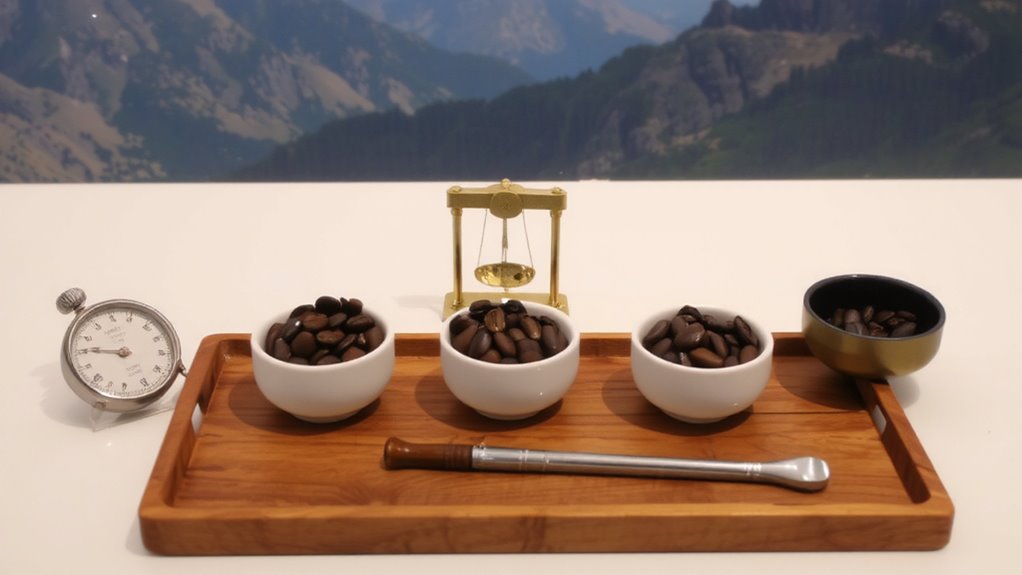
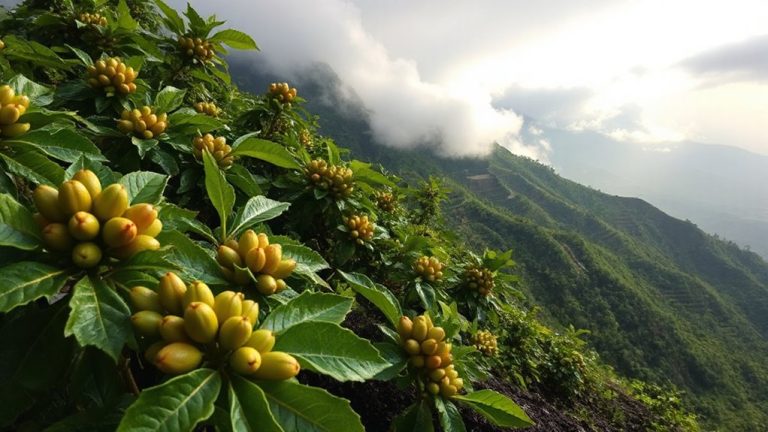
Bean size, altitude, and density aren’t just farm details-they directly shape the quality and flavor of your coffee. Larger beans, often from high-altitude farms, tend to be denser, leading to a more even extraction and complex flavors. You’ll notice this especially in beans from key regions like Ethiopia or Colombia-bean origin matters because altitude influences bean development; higher elevations slow growth, boosting sugar and acidity. Denser beans also respond better to a consistent roast profile, letting you highlight the coffee’s natural characteristics without scorching. When choosing beans, check the screen size (typically 17–18 for specialty grades) and elevation (1,200+ meters is ideal). Though big beans don’t guarantee quality, they’re a reliable indicator when paired with proper growing conditions. Density affects how heat penetrates during roasting, so calibrate your roaster accordingly-lighter roasts preserve origin traits, while darker profiles can mask inconsistencies.
Defects and Moisture: What Lowers Coffee Grade
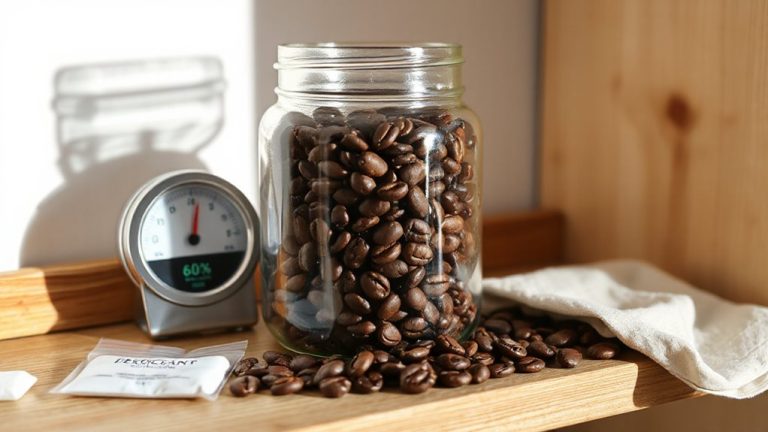
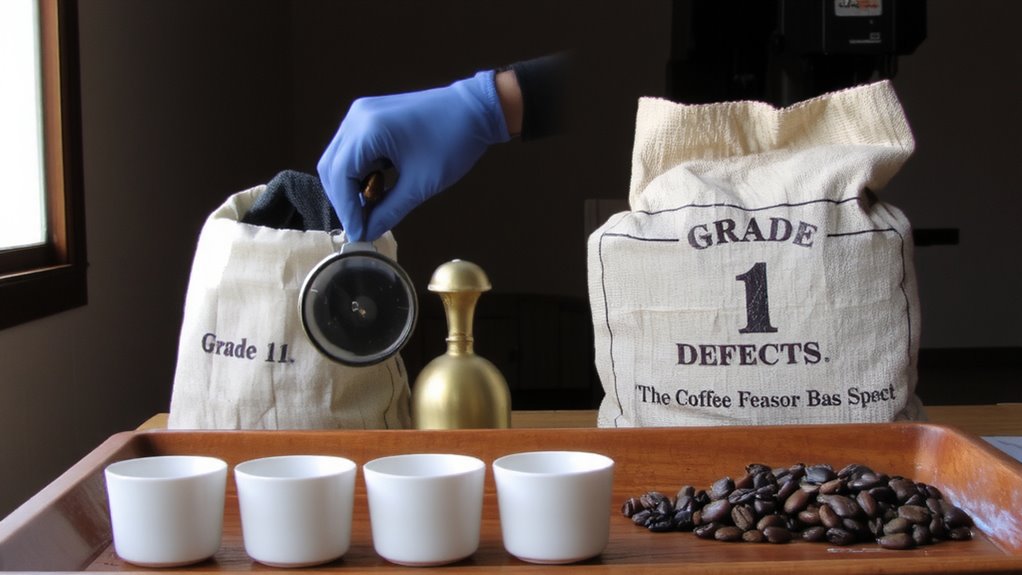
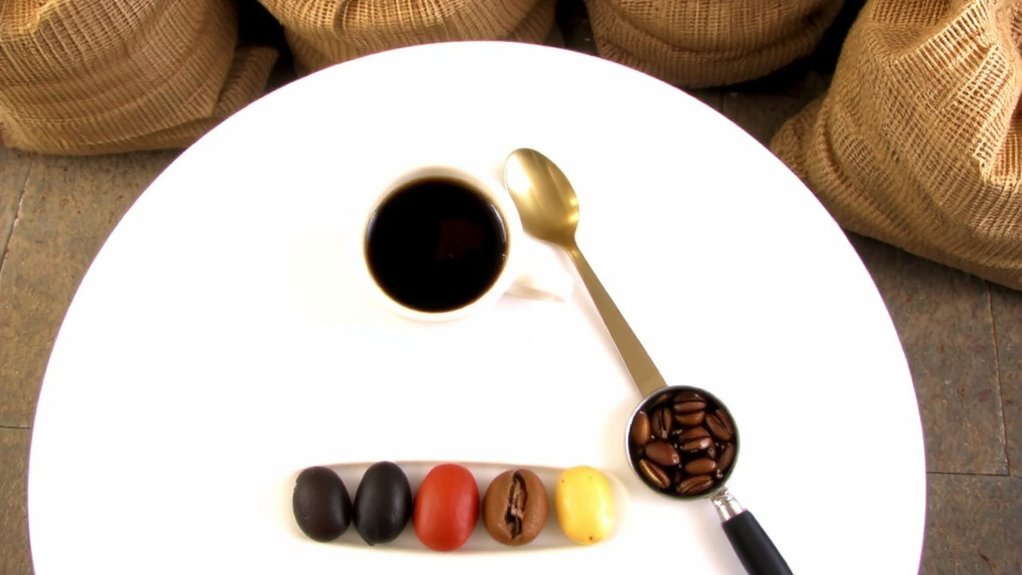
While proper growing conditions set the foundation for quality coffee, defects and moisture levels are the deciding factors in whether a batch meets specialty grade. You’ll find that even a few defective beans-due to insect damage, blackness, or mold presence-can disqualify a lot. Specialty standards allow zero primary defects, like full black beans or sour ones, and only a few quakers or broken pieces. Moisture content matters just as much; aim for 10–12%. Too high, and you risk mold presence during storage; too low, and beans become brittle. Fermentation level must also be controlled-over-fermentation causes off-flavors and increases defect counts. You’re better off working with mills that monitor drying carefully, using moisture meters and timed turnings. Even slight deviations here can drop a batch from specialty to commercial grade, so stay vigilant.
The SCA’s Role in Global Grading Standards
The Specialty Coffee Association, or SCA, sets the benchmark for how coffee is graded worldwide, and their standards shape what counts as specialty grade. You rely on their 100-point scoring system to determine quality, where 80+ points means specialty. The SCA also promotes sustainability practices and supports trade certifications that reward ethical sourcing. Their protocols influence how beans are evaluated for aroma, flavor, acidity, body, and aftertaste.
| Category | Score Range | Impact on Grade |
|---|---|---|
| Fragrance/Aroma | 0–10 | First sensory check |
| Flavor | 0–10 | Core quality indicator |
| Acidity & Body | 0–10 each | Balance & mouthfeel |
| Uniformity | 0–10 | Batch consistency |
You’ll find these standards used by roasters and importers to guarantee fairness and transparency, especially when verifying sustainability practices and trade certifications.
How Ethiopia, Colombia, and Others Grade Differently
Though global standards exist, countries like Ethiopia and Colombia adapt grading to fit their unique growing conditions and market demands, so you’ll often see differences in how beans are classified even within the specialty range. In Ethiopia, grading considers bean size, defects, and cup quality, with categories like “Grade 1” indicating high standards, shaped by cultural traditions and regional growing practices. Local cooperatives play a big role, and export regulations require strict adherence to moisture content and defect limits. Colombia, meanwhile, uses a system managed by its national coffee federation, focusing on uniform bean size and altitude, with labels like “Supremo” based on screen size. Their export regulations guarantee consistency and traceability. While both countries meet international specialty thresholds, their unique grading styles reflect long-standing cultural traditions and economic priorities, meaning you’ll need to understand local classifications when sourcing beans directly.
What Coffee Grading Means for Your Brew and Budget
You’re already aware that countries like Ethiopia and Colombia apply their own rules when sorting beans, but what does that actually mean when you’re holding a bag at the store or deciding on a pour-over recipe? Higher grades usually mean fewer defects and more consistent size, which translates to a cleaner flavor profile. That consistency helps your brewing method extract evenly-key for methods like espresso or pour-over where precision matters. Lower-graded beans might still taste good, especially in darker roasts or French presses, but they’re less predictable. Specialty-grade coffee (like Grade 1 Ethiopian) often justifies its price if you’re using it for lighter roasts or filter brewing, where subtle notes show up. Mass-market blends often use lower-graded beans, keeping costs down but limiting flavor complexity. Your budget and preferred brewing method should guide your choice-don’t overpay for grade if you’re using a drip machine, but consider it for a Chemex or siphon.
On a final note
You now know coffee grading isn’t just marketing-it impacts flavor and price. Higher grades mean better beans, fewer defects, and stricter moisture control. Countries like Ethiopia or Colombia use different systems, but the SCA standards help compare globally. If you’re brewing at home, aim for Grade 1 beans with consistent size and density. They extract evenly, especially in pour-over or espresso. Grade affects taste, so check labels and source wisely.