How Micro-Lots Are Changing the Specialty Coffee Landscape: Understanding Limited Edition Beans From Around the World
You’re drinking micro-lot coffee because it offers clean, distinct flavors from specific farms, varietals, or harvests, with full traceability. Grown at high elevations and picked by hand, these small batches highlight terroir-like citrus from Ethiopia or cocoa from Guatemala. Roasters keep them separate to preserve quality, often using direct trade for freshness and fairness. Limited releases mean you get rare, seasonal beans with transparent details. See how sourcing shapes what’s in your cup.
Notable Insights
- Micro-lots highlight terroir by sourcing beans from single farms or specific altitudes, preserving unique regional flavor profiles.
- Hand-harvesting and meticulous processing ensure only ripe, uniform cherries are used, enhancing roast consistency and flavor clarity.
- Full traceability from farm to cup allows consumers to verify origin, varietal, altitude, and processing methods transparently.
- Direct trade relationships between roasters and farmers improve quality control, fairness, and sustainability in the supply chain.
- Limited availability and exclusive roasting opportunities enable specialty roasters to differentiate offerings and engage discerning coffee enthusiasts.
What Are Micro-Lots? Small Batches, Exceptional Quality
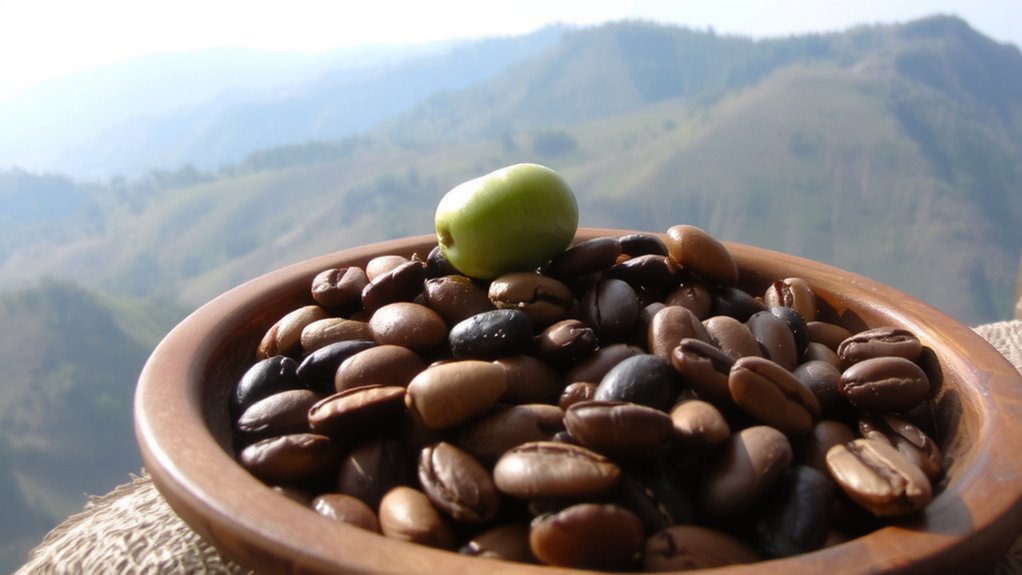
Micro-lots aren’t just small batches-they’re the result of precise farming, selective harvesting, and meticulous processing. You’re dealing with fewer than 500 kg of beans, often from a single hillside or varietal. These lots let farmers focus intensely on quality, adjusting for bean size and harvest timing to guarantee peak flavor. Because you’re harvesting only the ripest cherries-usually by hand-you get consistency and clarity in the cup. Machines can’t match this level of detail, so labor costs are higher, but the results justify it. Uniform bean size means even roasting, while precise harvest timing prevents under- or over-ripe beans from muddying the profile. You’ll need good sorting tools and careful roasting control to preserve these qualities. Think of them like limited-run gear: they demand attention but deliver top performance. Micro-lots aren’t for bulk brewing-they’re for those who want to taste what a farm can truly achieve.
How Micro-Lot Coffees Capture Terroir and Flavor
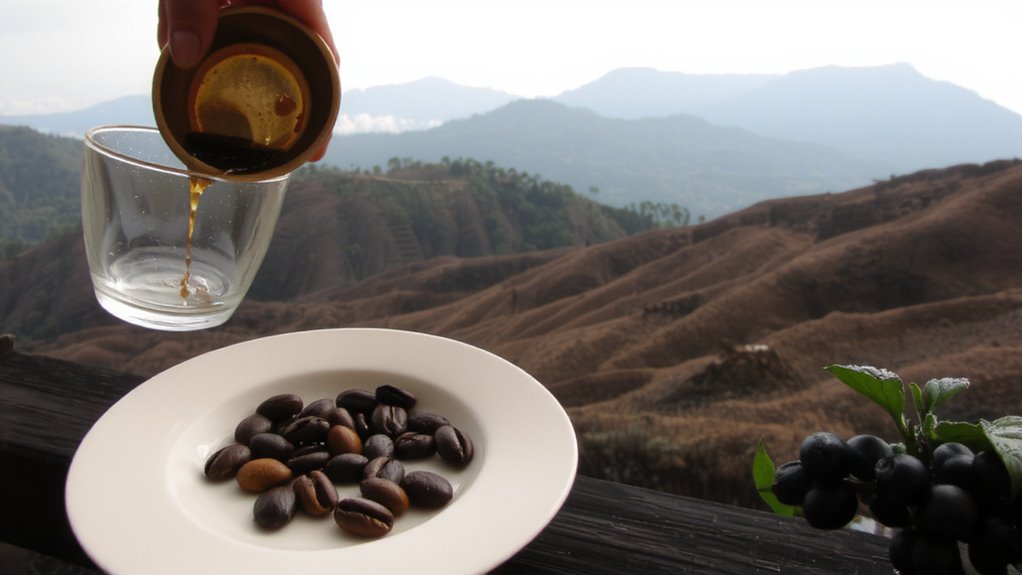
What makes a coffee taste like the place it came from? Micro-lots do this by focusing on a single farm, altitude, or harvest, so you get beans shaped by specific soil, climate, and processing. When farmers harvest a micro-lot, they separate high-elevation beans with precise ripeness, boosting crop uniformity. This careful sorting means each bean develops similarly, leading to better flavor consistency when roasted. Unlike large commercial batches that blend beans from many sources-and mute distinct traits-micro-lots preserve unique notes, like citrus from Ethiopian highlands or cocoa from Guatemalan volcanic slopes. You’ll notice the difference not just in aroma, but in cleaner, more defined tastes. For roasters and brewers, this means more control and predictability. Just remember: micro-lots are small, so they sell fast and vary by season. If you want to taste true terroir, these beans deliver-with fewer surprises and more clarity than bulk lots ever can. Exploring best single-origin coffees can deepen your appreciation for how origin shapes flavor.
From Single Field to Roaster Release: The Supply Chain
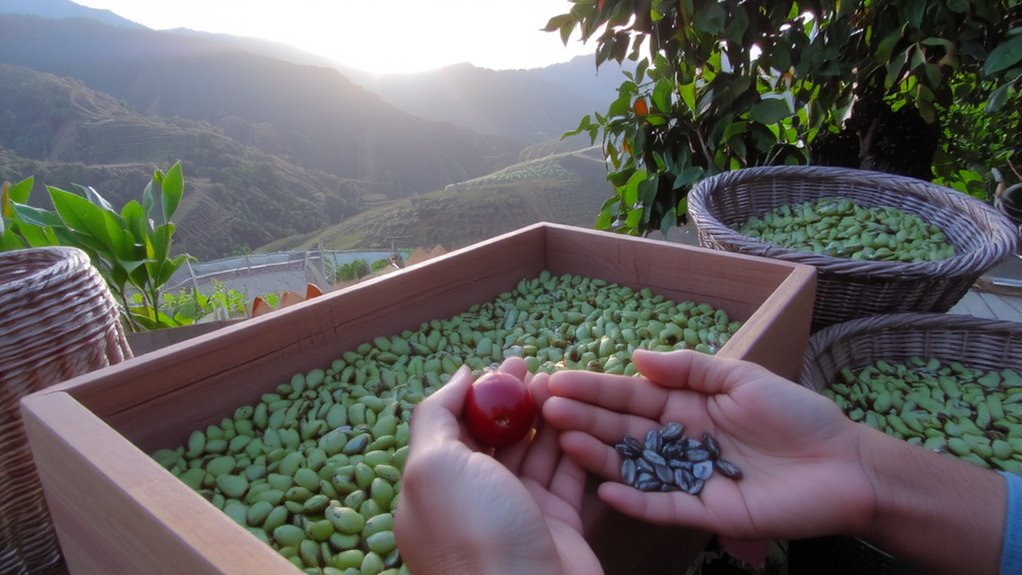
While the journey begins in a single field, the path from harvest to your cup involves precise steps that shape the final brew. You’ll find that micro-lots are harvested and processed separately, preserving their unique traits. Farm to cup traceability guarantees you know exactly where the beans came from-down to the specific plot and farmer. Roasters rely on direct trade relationships to maintain quality and fair pricing, cutting out middlemen that often obscure origins. These partnerships mean better oversight during drying, milling, and shipping, which protects bean integrity. Unlike commercial blends, where lots mix and mask flaws, micro-lots stay isolated throughout the supply chain. You’ll often see details like altitude, varietal, and processing method listed-because transparency matters. This level of control guarantees you receive fresh, identifiable coffee, not just a generic bag. It’s practical sourcing with real accountability.
Why Roasters Prioritize Micro-Lot Coffee Releases
You’re already seeing how traceability and direct relationships shape the journey of micro-lot coffee from harvest to roast, but now consider why roasters choose to feature these small batches so prominently. Roasters prioritize micro-lots because they offer roaster exclusivity-limited access that sets their lineup apart from competitors. These beans often come from high-elevation farms with precise growing conditions, yielding distinct flavor profiles that appeal to discerning drinkers. Release timing is carefully planned, often aligned with harvest cycles and freshness windows, to guarantee peak quality. Roasters use tight control over batch size and roast profiles to highlight unique characteristics, from bright acidity to complex fruit notes. Unlike larger commercial lots, micro-lots allow for experimentation and storytelling, grounded in real data: farm name, altitude, varietal, and processing method. This focus supports transparency while meeting demand for freshness and differentiation in a crowded market.
Where to Find and Taste Micro-Lot Coffees
A great place to start tasting micro-lot coffees is through specialty roasters that focus on direct trade and seasonal offerings-these roasters often release small batches online or at their physical cafes, giving you access to beans with full traceability and roast dates. You’ll find limited drops from farms in Ethiopia, Colombia, or Kenya, usually with detailed info on altitude, varietal, and processing. To go further, attend coffee festivals like Re:co or Oslo Coffee Festival, where roasters showcase rare micro-lots and offer structured tastings. Many host guided tasting events, so you can sample side-by-side comparisons and learn how terroir and methods affect flavor. Pair this with a good grinder and brew scale to replicate results at home. While retail micro-lots cost more, usually $20–$30 per 8 oz, they’re fresher and more traceable than standard blends. Explore curated selections by trying a coffee bean origin sampler to experience diverse global profiles in one purchase.
On a final note
You’ll find micro-lot coffees offer clearer taste of origin, thanks to careful farming and sorting. They’re pricier and limited, but ideal if you want to explore distinct flavors like Ethiopian citrus or Guatemalan cocoa. Use a pour-over or AeroPress to highlight their complexity. Store beans in an airtight container, grind fresh, and brew within two weeks for best results. Regular coffee works fine daily, but micro-lots are worth trying for a special cup.