How to Evaluate the Quality of an Espresso Machine’s Steam Hose
Look for a steam hose made of food-grade silicone or reinforced rubber-it resists heat, won’t crack, and won’t leach into milk. It should handle 150°C and 15–20 psi without stiffening or kinking. Match the inner diameter and fitting type to your machine, like 6mm for Nuova Simonelli or 1/2″ NPT for Rancilio. Use brass fittings with O-rings to prevent leaks. A quality hose keeps steam steady and lasts longer with proper care-knowing what to check sharpens your setup.
Notable Insights
- Check for food-grade silicone or thermoplastic rubber to ensure safety and prevent contamination of milk.
- Look for FDA or EU compliance certifications to confirm the hose meets food-contact safety standards.
- Ensure the hose withstands temperatures above 150°C and maintains flexibility under repeated heat exposure.
- Verify compatibility with your machine’s specifications, including inner diameter and fitting type.
- Inspect for durable connectors, proper O-rings, and resistance to leaks under 1.0–1.5 bar pressure.
Pick the Right Espresso Machine Steam Hose
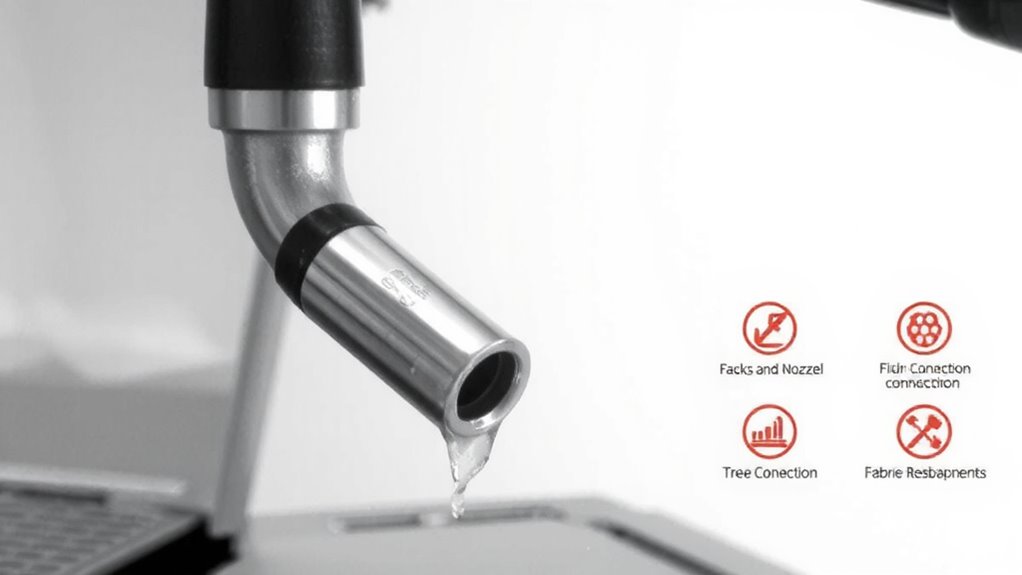
You’ll want to get the steam hose right the first time-choosing the wrong one can lead to poor steaming performance or even damage your machine. Material durability matters because daily use, heat, and moisture can wear down weaker hoses fast. High-quality hoses made from reinforced silicone or thermoplastic rubber resist cracking and kinking, lasting longer under pressure. A well-built hose also supports consistent steam pressure control, delivering stable output for proper milk texturing. If the hose can’t handle your machine’s PSI, you’ll lose power or risk leaks. Look for models rated for at least 15–20 psi, like those from Nuova Simonelli or La Marzocco, to guarantee compatibility. Avoid cheap vinyl options-they degrade quickly and limit performance. A durable, pressure-rated hose gives better longevity and shot-to-shot reliability. It’s a small part, but the right one makes a real difference.
Choose Food-Grade Silicone or Rubber
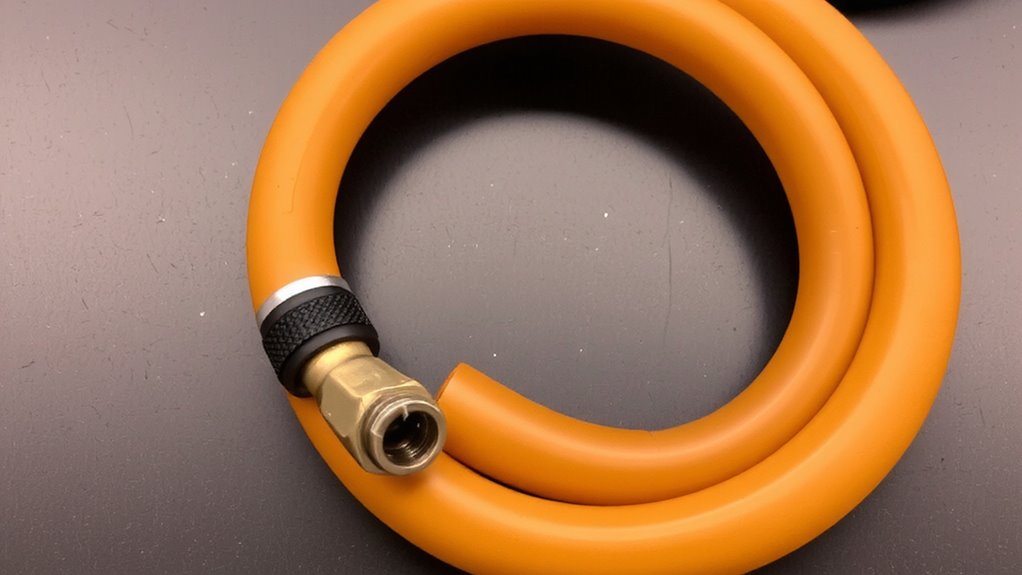
Material safety is non-negotiable when picking a steam hose-opt for food-grade silicone or rubber to guarantee clean, consistent steaming without harmful leaching. These materials are certified safe for direct contact with food, meaning no toxins get into your milk. Food-grade silicone resists degradation from heat and moisture better than standard rubber, reducing long-term durability concerns. It stays soft, resists cracking, and maintains a seal under constant use. Cheaper rubber hoses may harden, split, or emit odors after months of steaming, risking both performance and hygiene. While silicone typically costs more upfront, its longevity and safety make it a smarter investment for daily use. Lower-grade plastics or non-certified rubber might seem fine at first but often fail under commercial or frequent home use. Always check manufacturer specs for FDA or EU food-contact compliance. Choosing the right material assures reliable function and protects your espresso experience from contamination or breakdown over time.
Check Heat Resistance and Flexibility
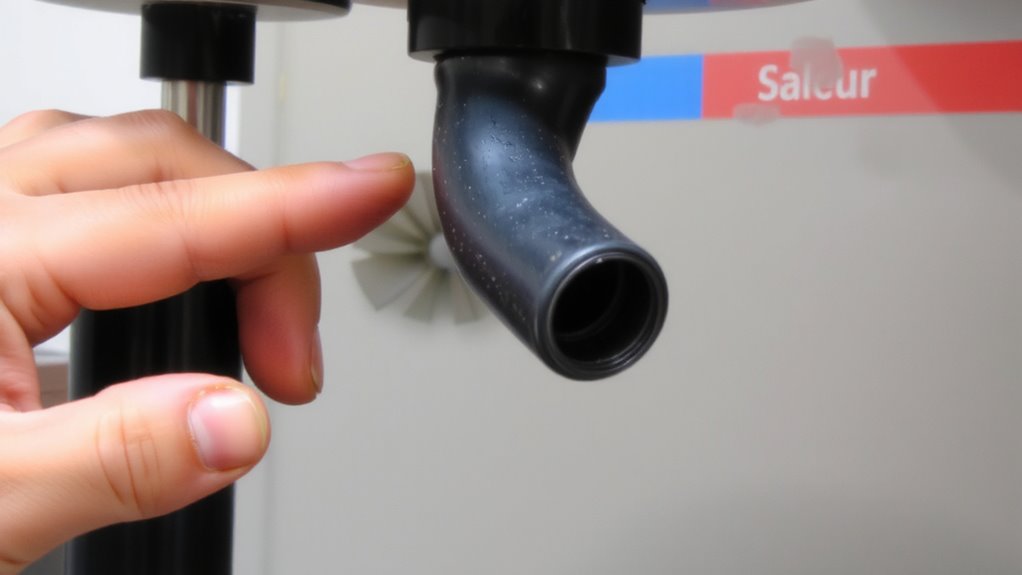
Even though a steam hose might seem like a simple part, its ability to withstand high temperatures and remain flexible over time directly affects both safety and performance. You need a hose that won’t harden or crack after repeated exposure to steam, which means checking for high heat resistance-typically above 150°C. Materials like food-grade silicone generally outperform rubber here, offering better material durability under constant thermal stress. Flexibility matters too; a stiff hose is harder to maneuver and can strain connections, increasing the risk of leaks. Look for hoses with strong pressure tolerance, designed to handle standard boiler pressures (around 1.0–1.5 bar) without swelling or weakening. Poor flexibility often signals low-quality construction, which may compromise long-term reliability. Always test the hose by bending it slightly-quality ones bend smoothly without kinking. These traits guarantee consistent function and reduce maintenance risks over time.
Ensure Compatibility With Your Machine
Fit matters just as much as function when it comes to steam hoses-getting the right match for your espresso machine prevents leaks, reduces stress on fittings, and guarantees reliable performance. You need correct connection alignment and solid material durability to avoid damage or inefficient steaming. Don’t assume all hoses fit all machines; manufacturers vary in threading and port size.
| Machine Model | Hose Compatibility |
|---|---|
| Nuova Simonelli Aurex | 6mm inner diameter, right-angle fitting |
| La Marzocco Linea | High-temp silicone, 90-degree alignment |
| Rancilio Silvia | Threaded connector, 1/2″ NPT |
| Expobar Control | Flexible braided, precise alignment |
A mismatched hose strains connections over time. Always check your machine’s specs before buying.
Prevent Leaks With Secure Fittings
You’ve confirmed your steam hose matches your machine’s specs-now it’s time to make sure it stays put without leaking. Tight, secure fittings are critical. Loose connections won’t just drip-they can fail under pressure, risking burns and damaging your machine. Look for brass or stainless steel connectors; they offer better pressure tolerance than plastic and help maintain consistent performance. A well-fitted hose reduces stress on joints, directly boosting hose longevity. Make sure O-rings are included and properly seated-skipping them is a common cause of leaks. Some brands, like La Marzocco or Rancilio, use standardized fittings, making replacements easier. After installation, check connections weekly. Vibration from daily use can loosen parts over time. Don’t overtighten-you could crack fittings. Secure now means fewer repairs later, and that keeps your machine running smoothly, shot after shot.
Test for Smooth, Consistent Steam
How does your espresso machine deliver steam when you need it most? Turn the knob and hold a pitcher under the wand-good steam should fire up fast, with no sputtering. You want strong pressure stability from the first second to the last, so your milk heats evenly. Fluctuating pressure leads to inconsistent steam texture, leaving you with froth that’s either too foamy or too flat. Test it multiple times: does the steam stay powerful throughout, or does it weaken halfway? Machines like the Rocket R55 maintain steady output, while cheaper models often drop pressure. A quality hose supports this consistency by not restricting flow. Check for smooth, continuous vapor-no pulsing or cooling down during use. That’s how you know the hose and boiler work together well. Reliable pressure stability means you can count on velvety steam texture every time. For more guidance on choosing models known for this performance, see recommendations in the best automatic espresso machines roundup.
On a final note
You’ve checked the material, heat resistance, and fit-now make certain your steam hose delivers steady, dry steam without kinks or leaks. A food-grade silicone hose, like those from Rocket or La Marzocco, often balances durability and flexibility. If you’re pulling wet steam or struggling with stiffness, revisit your choice. A good hose should last years with proper care. Replace it promptly if cracks appear. Keep connections tight, and test performance after installation.