How the Pacas Variety Contributes to the Bright Acidity of Salvadoran SHG Coffees
You get bright acidity in Salvadoran SHG coffee because the Pacas variety-grown above 1,200 meters-develops dense beans with concentrated sugars and acids. Its Bourbon mutation naturally enhances citrusy notes and crispness, especially when farmed on mineral-rich volcanic soil. Farmers use shade cover and selective picking to preserve these traits, while washed and pulped natural processing keeps the profile clean. Roast light to medium to highlight its vibrant character-it’s why Pacas stands out among Central American varieties. There’s more behind how terroir and technique shape its edge.
Notable Insights
- The Pacas variety’s genetic lineage from Bourbon naturally enhances high acidity with distinct citrus notes.
- Its slow maturation at high altitudes increases sugar and organic acid concentration in the beans.
- Dense bean structure from cool, elevated growing conditions preserves delicate acidic compounds during roasting.
- Volcanic soils rich in potassium and magnesium further amplify the variety’s inherent bright acidity.
- Selective harvesting and washed processing highlight the Pacas variety’s clean, vibrant acid profile.
How Salvadoran SHG Coffee Gets Its Bright Acidity
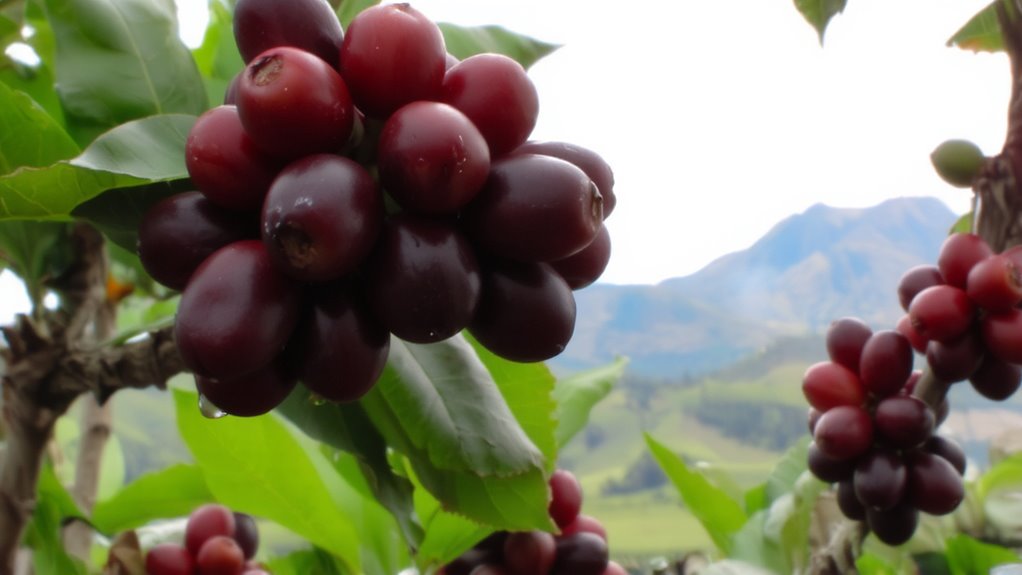
While the high elevations of El Salvador play a big role, it’s the combination of altitude, bean density, and careful processing that gives SHG (Strictly Hard Bean) coffee its signature bright acidity. You’ll notice this crispness comes from slow bean development at high altitudes, where cooler temps boost sugar and acid concentration. Density matters because harder beans withstand roasting better, preserving delicate acids. Fermentation control during wet processing guarantees clean, consistent flavor-over-fermenting dulls the brightness you’re after. Shade management also helps; trees grown under partial shade mature slower, improving bean quality. Farmers use canopy plants like guava or leucaena to regulate sunlight, balancing photosynthesis and temperature. This precise approach supports peak sugar development while protecting delicate organic acids. For roasters, this means a more predictable profile and a cleaner cup. You’re not just tasting altitude-you’re tasting careful farm-to-mill decisions that prioritize quality and consistency every step of the way.
How Pacas Became El Salvador’s Signature Coffee Variety
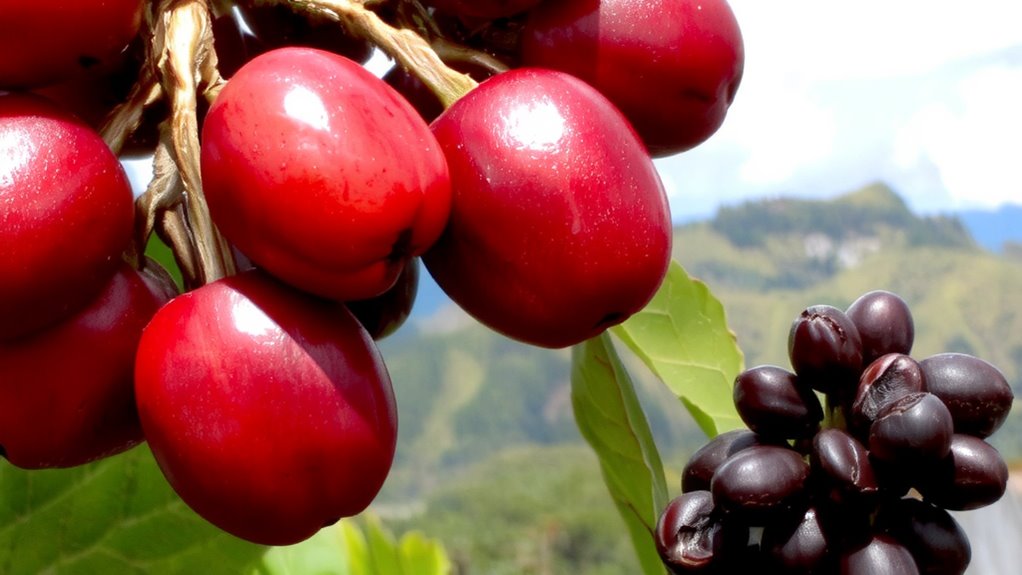
You’ve seen how elevation and processing shape the bright, clean profile of Salvadoran SHG coffee, but the story doesn’t stop there-variety matters just as much. The Pacas variety, a natural mutation of Bourbon, took root in El Salvador in the 1940s and quickly spread across farms. Its rise ties directly to historical migration of coffee farming knowledge and labor within Central America, adapting well to local volcanic soils and altitudes. Unlike other regions that pursued colonial export models favoring quantity, El Salvador focused on quality and consistency, letting Pacas thrive. Farmers found it easy to manage-compact trees reduce labor costs and allow dense planting. Though lower yielding than hybrids like Catimor, Pacas offers superior cup quality, making it a practical choice for specialty markets. Today, it’s not just common-it’s foundational, defining the country’s coffee identity with reliability and typicity cup after cup.
How Pacas Genetics Shape Citrusy, Crisp Coffee Flavor
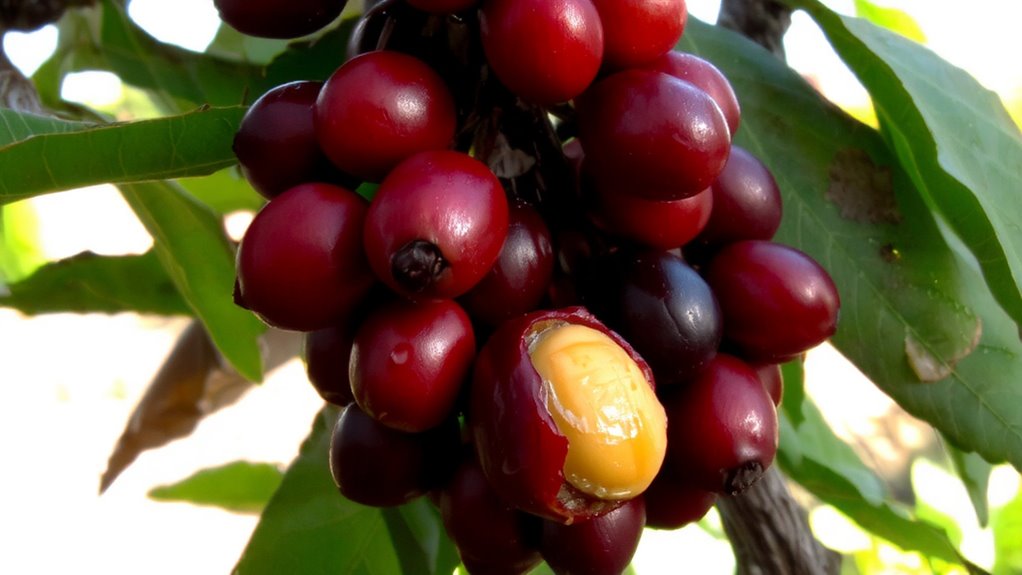
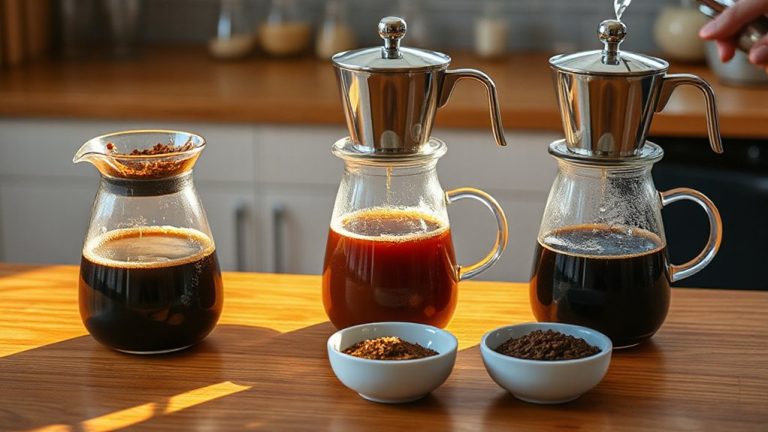
Citrus notes don’t just happen by chance-they’re built into the DNA of the Pacas variety. When you brew Pacas beans, you’re tasting a genetic profile refined over generations in El Salvador’s volcanic soils. These beans naturally develop high acidity, giving your cup that crisp, lively kick reminiscent of lemon or green apple. It’s not just sour, though-Pacas delivers a sweet balance, softening the sharpness with hints of caramel and ripe fruit. You’ll also notice delicate floral notes, often like jasmine or bergamot, which add complexity without overpowering. This balance makes Pacas a strong choice for filter methods like pour-over or Chemex, where clarity matters. While some varieties rely on terroir alone, Pacas brings flavor potential from the start. Choose fresh, light to medium roasts to preserve its inherent brightness. Don’t overextract-clean brewing enhances what’s already there.
Why High Altitude Elevates Salvadoran SHG Complexity
Because Salvadoran SHG coffees are grown at elevations above 1,200 meters, the cooler temperatures slow bean development, leading to denser beans with more complex sugars and acids. You’ll notice how this high altitude directly boosts flavor complexity-cooler air means longer maturation, which strengthens bean density. That density matters: it helps beans survive roast stress evenly, preserving delicate acidities. Don’t overlook microclimate influence either-variations in sun, wind, and humidity across mountain slopes shape subtle flavor shifts between farms. While lower elevations produce simpler profiles, high-grown SHG lots give you brighter, layered cups with crisp structure. If you’re roasting or brewing these beans, expect better results using precise control-like gooseneck kettles or slow roast profiles-to highlight what the altitude built. High elevation isn’t just a label; it’s a measurable factor in quality. Keep bean density in mind-it affects extraction and grind consistency, so adjust your grinder accordingly.
Why Volcanic Soil Makes Pacas Taste Brighter
While volcanic soil doesn’t automatically make every Pacas variety bright, it does create the mineral-rich, well-draining conditions that encourage the kind of root development linked to higher acidity and cleaner cup profiles. You’ll notice brighter flavors because the porous structure of volcanic earth promotes deep root depth, allowing plants to access consistent moisture and nutrients. This stable environment boosts mineral uptake-especially potassium and magnesium-compounds tied to lively acidity. Unlike compacted or clay-heavy soils, volcanic substrates reduce waterlogging, which can stunt roots or dilute flavor. As a result, Pacas plants grown in these conditions tend to produce denser beans with more pronounced citrus or floral notes. You’re not just tasting the varietal-you’re tasting the terroir. For roasters and brewers, that means clearer acidity and better shot-to-shot consistency. Choose beans from volcanic regions like Santa Ana or Apaneca, and you’ll likely get more brightness and complexity in the cup.
How Farmers Protect Pacas’ Bright Acidity
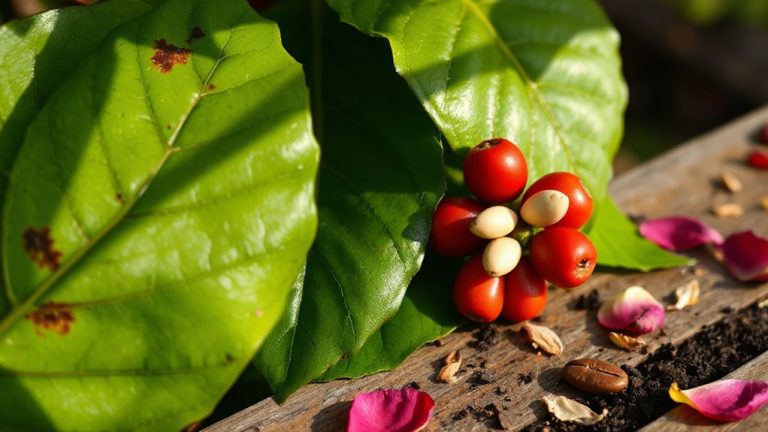
If you want to preserve the bright acidity that makes Pacas from Salvadoran SHG coffees stand out, farmers start by controlling the harvest and post-harvest steps with precision. You’ll need consistent ripeness, so selective picking is non-negotiable-only deep red cherries make the cut. Once harvested, quick, careful processing is key; many use pulped natural or washed methods to highlight acidity. Fermentation time must be monitored closely-over-fermenting dulls the brightness. Drying on raised beds with regular turning prevents mold and guarantees even moisture loss. Microclimate management plays a big role: farmers adjust airflow and humidity in drying areas to match conditions. Shade regulation is equally important-too much sun stresses plants, but too little reduces sugar development. By balancing canopy cover, farmers maintain ideal temperatures for flavor stability. These steps, when followed, lock in the crisp, vibrant notes Pacas is known for.
How Pacas Stacks Up Against Other Bourbon Mutants in Central America
When it comes to Bourbon mutants in Central America, Pacas stands out for its compact size and high productivity, but it’s not the only player in the field. You’ll also find Pacamara, a cross of Pacas and Maragogype, known for large beans and complexity, as well as Caturra and Castillo, each with distinct strengths in disease resistance and yield stability.
| Variety | Disease Resistance | Yield Stability |
|---|---|---|
| Pacas | Moderate | High |
| Pacamara | Low to Moderate | Moderate |
| Caturra | Low | High |
| Castillo | High | High |
| Bourbon | Low | Moderate |
While Pacas delivers consistent yields and fits well in high-density farms, you’ll need good farm management to combat its moderate disease resistance. For long-term planting, consider pairing Pacas with more resistant varieties to balance quality and farm resilience.
On a final note
You’ll get the brightest acidity from Salvadoran SHG Pacas when you brew it fresh with a clean, precise method like pour-over or AeroPress. Use filtered water and grind just before brewing to preserve its citrusy spark. While other Bourbon mutants offer depth, Pacas stands out in clarity-especially from volcanic soil and high farms. Store it airtight, away from light, and drink within weeks of roast for the liveliest cup.