Why Using Hard Water Accelerates Burr Wear in Espresso Machines
You’re using hard water, and it’s speeding up burr wear by leaving calcium and magnesium scale inside your grinder. That gunk builds up on burrs and bearings, making them dull and uneven. Dull burrs crush beans instead of cutting them, leading to inconsistent grinds and bad espresso. Even good steel can’t resist long-term exposure. Cleaning helps, but softening the water with a filter or ion exchange system works better. You’ll see improved grind quality and longer burr life-there’s more to optimizing your setup than just surface fixes.
Notable Insights
- Hard water deposits calcium and magnesium scale on burrs, increasing friction and accelerating wear.
- Scale buildup creates uneven burr surfaces, reducing cutting efficiency and promoting dullness.
- Mineral deposits trap moisture, leading to corrosion and pitting on burr surfaces over time.
- Restricted burr carrier and adjustment mechanism movement from scale causes misalignment and added stress.
- Dull, damaged burrs produce inconsistent grinds, worsening extraction and indicating advanced wear.
What Is Hard Water and How It Damages Espresso Grinders
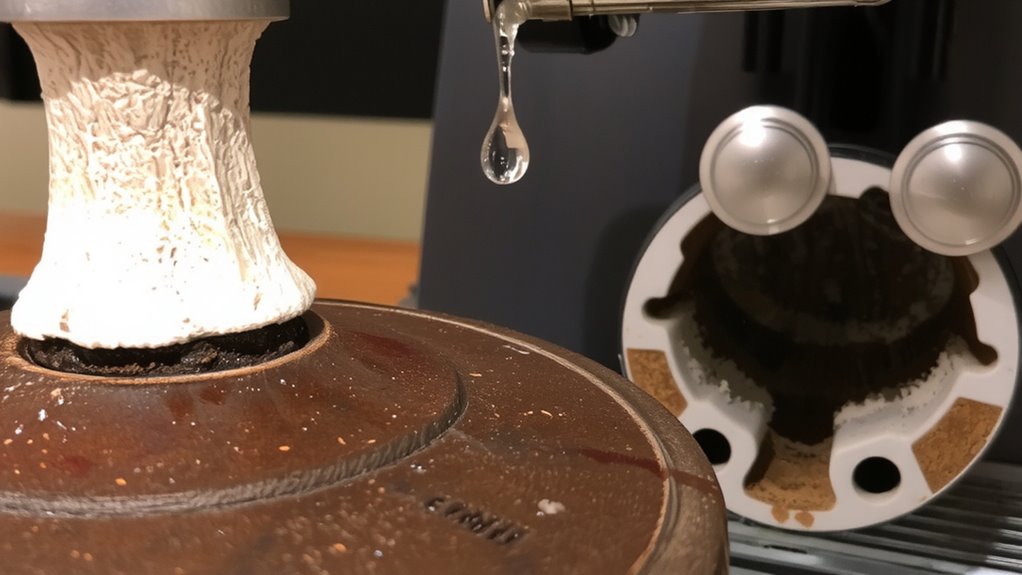
Hard water isn’t just an inconvenience-it’s a silent grinder killer. You’re probably unaware, but your water composition plays a major role in your grinder’s lifespan. Hard water contains high levels of calcium and magnesium, which contribute to mineral buildup over time. This isn’t just about scale in the boiler-those tiny deposits accumulate inside the grinder’s internal parts, especially around the burr carriers and adjustment mechanisms. As these minerals harden, they restrict movement, increase friction, and create uneven grinding. You’ll notice less consistency in your dose and grind size, hurting your espresso quality. Machines in hard water areas wear out faster, even with regular cleaning. Using filtered or softened water isn’t a luxury-it’s a practical step to prevent early damage. Checking your local water report helps you decide if you need a filtration system. Prevention now saves costly repairs later.
How Hard Water Scale Destroys Burr Sharpness
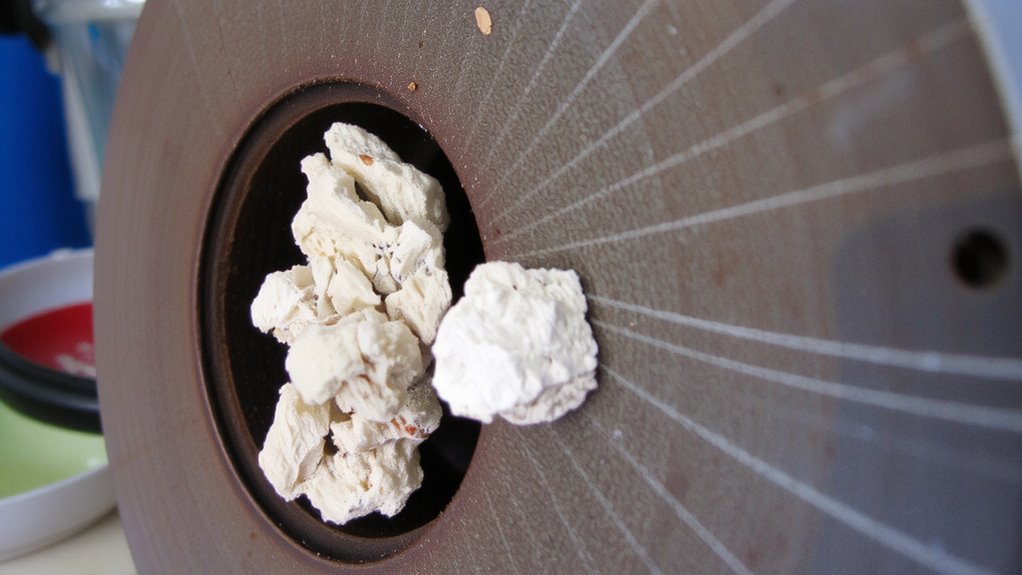
Mineral scale is the hidden enemy of sharp burrs. When hard water evaporates, it leaves behind calcium and magnesium deposits that cling to burr surfaces. Over time, this buildup creates a rough, uneven layer that interferes with clean grinding. You’re not just losing precision-scale promotes burr corrosion by trapping moisture against metal, speeding up wear. Worse, repeated exposure leads to mineral etching, where dissolved minerals actually alter the burr’s surface at a microscopic level, creating pits and weak spots. These damaged areas dull faster and can’t slice beans cleanly. Even high-quality steel burrs, like those in Mazzer or Eureka grinders, suffer if scale isn’t prevented. Rinsing daily isn’t enough; without regular descaling using proper solutions, etching and corrosion will compromise performance. Prevent buildup early with filtered water or descaling on a strict schedule-it’s the most practical way to protect sharpness and extend burr life.
Why Dull Burrs Sabotage Espresso Quality
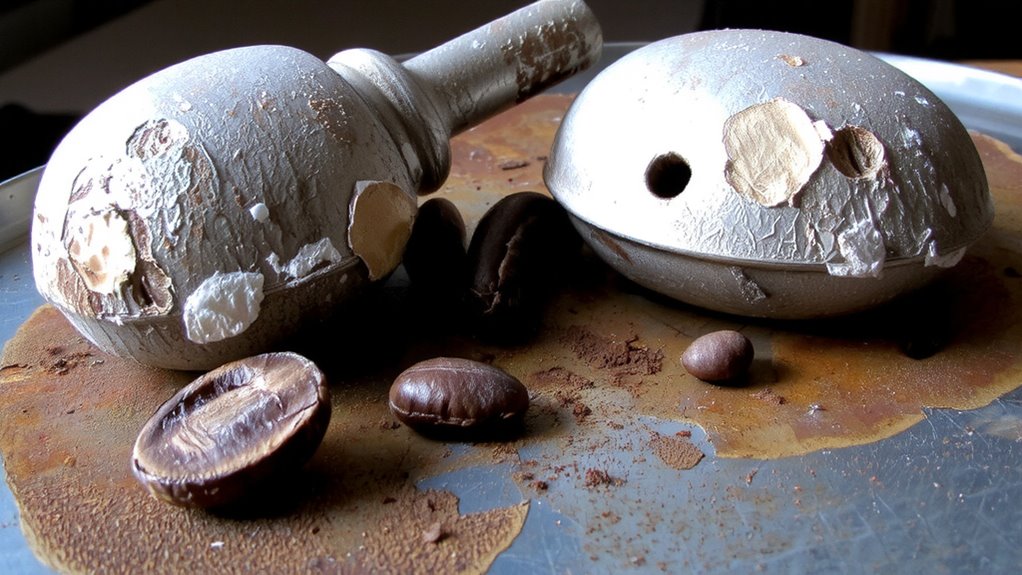
You’ve seen how mineral scale eats away at burrs over time, but once that damage sets in, the real problem shows up in your cup. Dull burrs can’t slice coffee evenly, leading to extraction inconsistency-some particles are over-pulverized while others remain chunky. This uneven grind disrupts water flow, causing some paths to channel while others resist, which directly contributes to flavor degradation. Instead of balanced sweetness, acidity, and bitterness, you’re more likely to taste sourness from under-extracted bits or harshness from the over-extracted fines. Freshly sharpened burrs produce uniform particles, promoting even extraction and fuller flavor. With dull burrs, even perfect water temperature or dose won’t save the shot. Routine cleaning helps, but once the steel is worn, performance drops no matter how well you dial in. Regular maintenance delays the decline, but eventual replacement is the only real fix.
Signs Your Grinder Has Hard Water Damage
How do you know when your grinder’s performance isn’t just slipping-but actually breaking down? You’re likely seeing signs of hard water damage. If your grind feels inconsistent or your shots pull slower, scale buildup may be impairing burr alignment. Look for metal corrosion on the burrs or grinder housing-rust spots or pitting mean minerals are eating away at components. You might also notice increased bearing resistance; the spindle feels stiff or wobbles when turned by hand, a sign mineral deposits are stressing internal parts. Unusual noises during grinding, like grinding or clicking, often point to damaged surfaces. These issues don’t just hurt flavor-they reduce grinder lifespan. Early detection helps, but once metal corrosion sets in, even cleaning won’t fully restore performance. Regular inspection keeps problems visible before they wreck your daily espresso.
Water Softening Tips to Protect Grinder Burrs
Hard water doesn’t just affect your espresso machine-it’s quietly harming your grinder too, especially the burrs. Over time, mineral buildup accelerates wear and dulls the cutting edges, reducing grind quality. To protect your burrs, consider a water softening method like ion exchange. These systems replace calcium and magnesium with sodium, effectively reducing hardness. They’re reliable and widely used, but you’ll need to regenerate the resin regularly. Magnetic treatment is another option-it alters mineral structure to reduce scaling without chemicals. While it’s low-maintenance, results vary and it’s less proven than ion exchange. Neither method removes chlorine or particulates, so pairing with filtration may still be necessary. For most home baristas, ion exchange offers a practical, consistent solution. Magnetic treatment can work in mild cases but don’t rely on it in very hard water areas. Choose based on your water’s hardness level and maintenance preferences.
Best Water Filters to Prevent Burr Scale
A good water filter’s job is more than just cleaning taste-it’s about protecting your grinder’s burrs from scale buildup caused by hard water. For effective protection, you’ll want filters using membrane filtration or reverse osmosis. These systems remove minerals like calcium and magnesium that lead to scaling. Below are common filter types and their effectiveness:
| Filter Type | Scale Prevention |
|---|---|
| Activated Carbon | Low |
| Ion Exchange | Moderate |
| Membrane Filtration | High |
| Reverse Osmosis | Very High |
| Dual-Stage (RO + Carbon) | Highest |
Reverse osmosis systems are especially reliable but require more setup. If you have very hard water, RO is worth the investment. Membrane filtration offers solid protection with less waste. Choose based on your water hardness and machine usage-consistent filtration means longer burr life and better espresso.
On a final note
You can’t ignore hard water-it leaves scale that dulls grinder burrs fast, wrecking espresso quality. Dull burrs mean uneven grinds, sour shots, and wasted beans. You’ll notice changes in grind feel or taste. Using a water filter like a BWT Magnesium or a built-in softener helps. Reverse osmosis systems work well but may need remineralization. Protect your grinder early-consistent maintenance beats costly replacements.