Rare and Endangered Coffee Varietals: Preservation Efforts and Challenges
You’re sipping on vanishing flavors-rare varietals like Gesha and Sudan Rume are disappearing fast. Ethiopia and Madagascar are losing wild coffee types to deforestation and climate shifts. Rising temperatures and rust hit fragile heirlooms hard, reducing resilience and flavor. Scientists and farmers are seed banking and grafting resilient plants, but poor infrastructure and low prices push growers toward high-yield clones. Conservation needs support, and your choices matter if you want to see what’s still possible.
Notable Insights
- Rare coffee varietals enhance genetic resilience and unique flavor profiles, critical for specialty coffee markets.
- Ethiopia and Madagascar are losing rare varietals rapidly due to deforestation and habitat degradation.
- Climate change threatens heirloom coffees with rising temperatures, erratic flowering, and reduced yields.
- Seed banks and sustainable farming practices are key conservation strategies led by researchers and cooperatives.
- Poor infrastructure and economic pressures push farmers toward high-yield clones, endangering genetic diversity.
Why Losing Rare Coffee Varietals Threatens Our Future
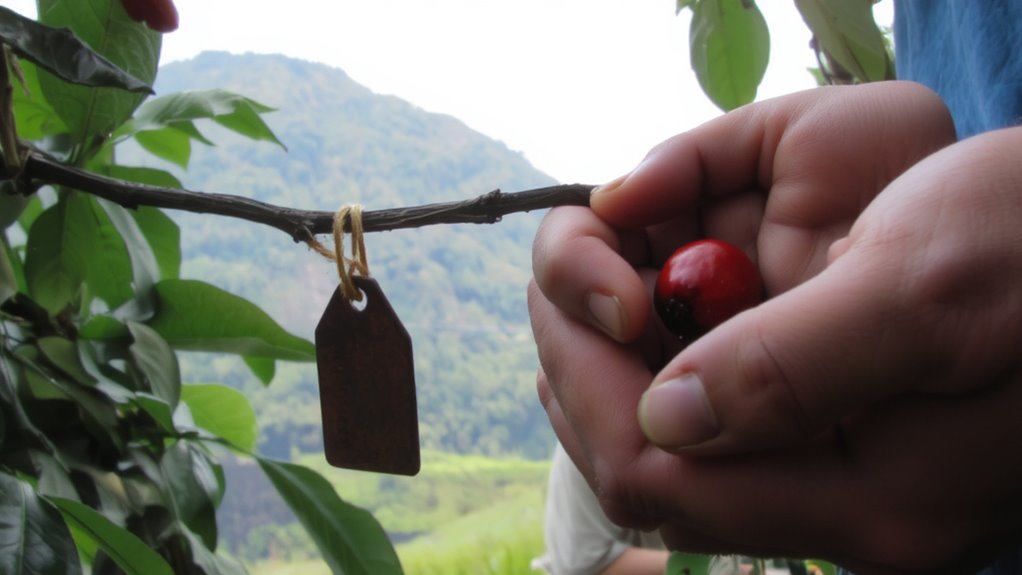
Biodiversity isn’t just a buzzword-it’s a safety net for coffee. You rely on genetic diversity every time you brew a cup, even if you don’t realize it. When rare varietals disappear, you lose resilience against diseases like rust and climate shifts. That narrows the gene pool, making crops more vulnerable. These rare types also carry unique flavor profiles-think citrusy Gesha or winey Sudan Rume-that can’t be replicated in mainstream beans. Specialty roasters and farmers depend on this variety to meet growing demand for distinct tastes. Without preserving these plants, future options for adaptation and innovation vanish. You’re not just losing flavors-you’re losing tools for long-term sustainability. Conserving rare varietals means securing future harvests, stable supply chains, and richer brewing experiences. It’s not sentimental-it’s practical. Protecting genetic diversity now guarantees you’ll still have viable, flavorful coffee choices decades from today.
Where Endangered Coffee Varietals Are Vanishing Fastest
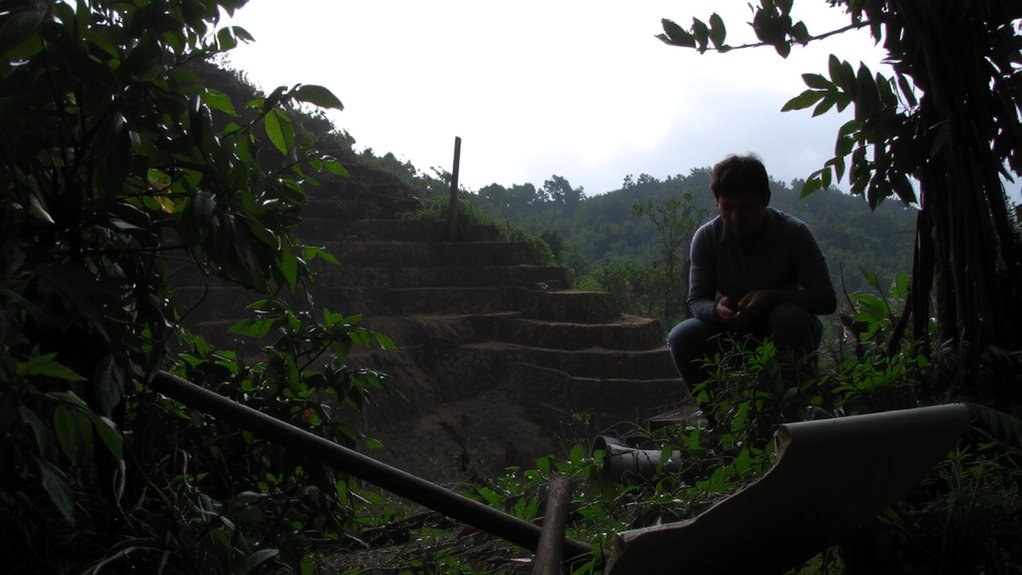
Where exactly are these rare coffee plants disappearing the fastest? You’ll find the most dramatic losses in Ethiopia’s highland forests and Madagascar’s eastern escarpments. These regions host unique varietals like Arabica’s wild relatives and the endangered Coffea marevolontsiraka. The deforestation impact here is severe-farmers clear land for crops, reducing habitat fast. When trees disappear, so does shade critical for slow-growing coffee plants. Plus, unprotected areas face worsening soil degradation. Without tree cover, rains wash away nutrients, making recovery hard. In Ethiopia, up to 60% of forest cover has been lost in some coffee zones. You can’t just replant and expect success-these plants need specific conditions. Conservationists recommend protecting core zones and promoting shade-grown farming. It’s practical: maintain canopy cover, rotate plots, and avoid chemical overuse. The goal isn’t just survival-it’s sustainable production without sacrificing genetic diversity.
How Climate Change Is Wiping Out Rare Coffee
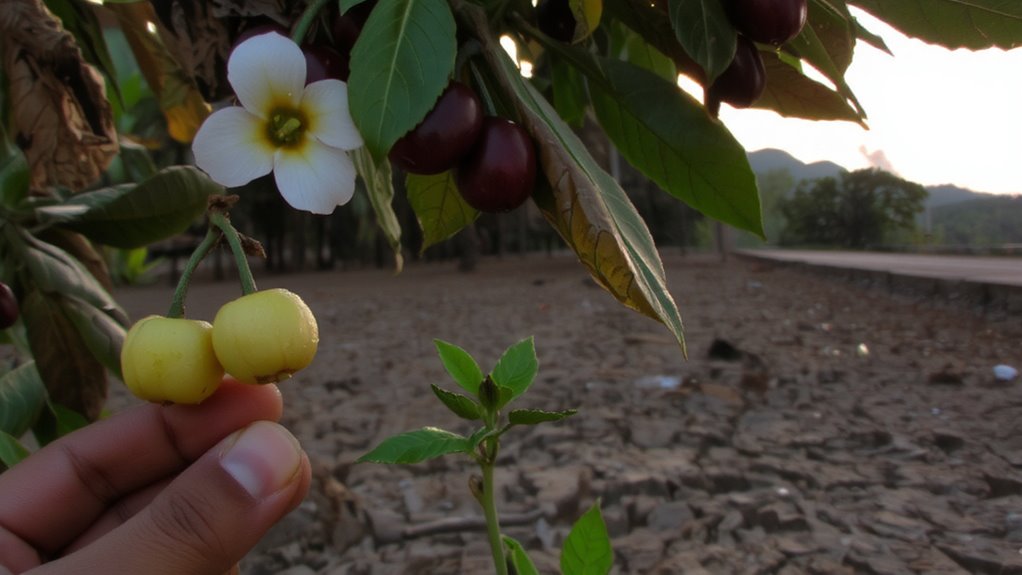
Even if you’re not growing coffee yourself, what’s happening to rare varietals matters more than you might think-because climate change is accelerating their loss in ways that go beyond deforestation. Rising temperatures are pushing coffee plants beyond their ideal growing zones, especially fragile heirlooms like Ethiopia’s heirloom variants or Yemen’s ancient landraces. These plants evolved for specific climates and can’t adapt quickly. When temps climb, flowering becomes erratic, yields drop, and beans lose quality. Extreme droughts make it worse-without steady moisture, seedlings die, and mature plants weaken. Regions like Central America and East Africa now face longer dry seasons, threatening genetic diversity with each lost crop. You’ll notice the impact not just in scarcity but in flavor shifts and higher prices. Conservation efforts exist, but without addressing root climate issues, even protected varietals may vanish before they’re fully studied or cultivated elsewhere.
Meet the People Saving Endangered Coffee Plants
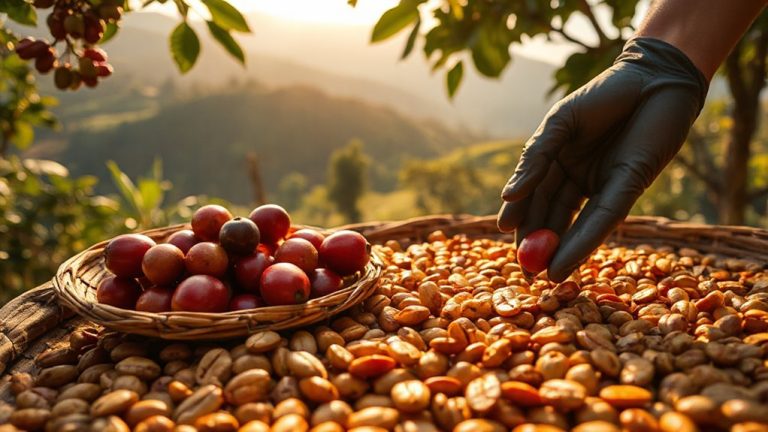
Who’s stepping in when rare coffee plants face extinction? You are-alongside dedicated farmers, scientists, and local cooperatives working quietly but effectively. Through seed banking, they preserve genetic diversity by storing viable seeds from endangered varietals like Ethiopian heirloom types and rare Gesha derivatives. These banks act as insurance against crop failure, letting researchers replant and study what’s at risk. But it’s not just labs-community outreach plays a key role. Farmers train in sustainable grafting, proper varietal identification, and low-impact nursery practices. Locals learn why preserving native plants matters, not just for biodiversity but flavor integrity in the cup. Groups like World Coffee Research and regional agri-cooperatives lead workshops, distribute resilient seedlings, and document growing conditions. You benefit when these efforts succeed-your coffee stays flavorful, diverse, and adaptable. It’s practical conservation, grounded in real-world use, not theory.
The Biggest Threats to Coffee Conservation Efforts
While you might think climate change is the top threat to rare coffee plants, it’s actually the mix of failing infrastructure and short-term farming economics that’s doing the most damage. Farmers often clear land for quick yields, leading to deforestation that erodes the native habitats these varietals need. You see this in places like Ethiopia’s forests, where wild arabica populations shrink each year. Weak roads and outdated processing gear make it harder to maintain rare beans worth preserving. Low prices for specialty crops also push farmers toward high-yield, disease-prone clones instead of fragile heirlooms. Disease-like coffee leaf rust-spreads faster in stressed, monoculture farms, wiping out unique genetics in one season. Without stable income or support, even willing growers can’t justify long-term conservation. The result? Irreplaceable plants vanish before we even study them.
How You Can Help Protect Coffee’s Genetic Future
You can play a direct role in protecting coffee’s genetic diversity by supporting farms and brands that prioritize heirloom varietals and sustainable land use. Choose companies committed to sustainable sourcing, such as Bird Rock Coffee or Onyx Coffee Lab, which publish traceability reports and work directly with conservation-minded growers. Spread community education by hosting tastings that compare rare varietals like Gesha or St. Theresa to commercial hybrids, highlighting flavor and fragility alike.
| Action | Benefit | Example |
|---|---|---|
| Buy heirloom coffees | Supports genetic preservation | Try Colombia’s Laurina lots |
| Share farming practices | Boosts community education | Host a brew demo |
| Choose transparent brands | Guarantees sustainable sourcing | Look for certification seals |
| Donate to seed banks | Funds long-term conservation | Support the World Coffee Research Nursery |
On a final note
You can help protect rare coffee by supporting farms that grow heirloom varietals like Geisha or Bourbon. Choose roasters committed to sustainability and transparency. At home, brew these delicate beans with precision-use a gooseneck kettle and scale. Every cup supports conservation. Without action, we risk losing genetic diversity needed to fight disease and climate shifts. Your choices matter.