Tasting Notes for Baristas: Using the SCA Flavor Wheel
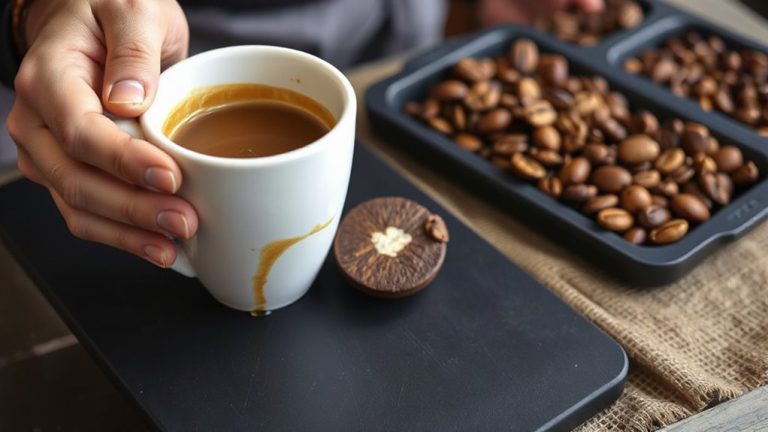
You taste more than flavor in coffee-you’re sensing origin, roast, and craft. Start by smelling the dry and wet grounds to catch early aroma clues. Sip, then chew air to spread the coffee across your palate. Use the SCA Flavor Wheel to pinpoint notes, like citrus or chocolate, and track them in a notebook. Light roasts highlight origin traits; dark roasts bring out smoke or caramel. Washed beans read cleaner, naturals add funk. Your palate sharpens with daily practice using real foods-citrus, nuts, berries. Try side-by-side cuppings to compare. A water rinse between samples cuts fatigue. The more you taste, the more patterns emerge-and the clearer the coffee’s story becomes.
Notable Insights
- Train your palate daily with diverse foods to build flavor memory linked to coffee profiles.
- Use the SCA Flavor Wheel to precisely identify and articulate nuanced tasting notes in specialty coffees.
- Recognize how origin, processing, and roast level shape a coffee’s flavor and aromatic expression.
- Practice structured tasting steps: smell, sip, chew air, swallow, and reflect to enhance sensory accuracy.
- Avoid palate fatigue by limiting tastings to 5–6 coffees and cleansing with water between samples.
What Are Coffee Tasting Notes: And Why They Matter
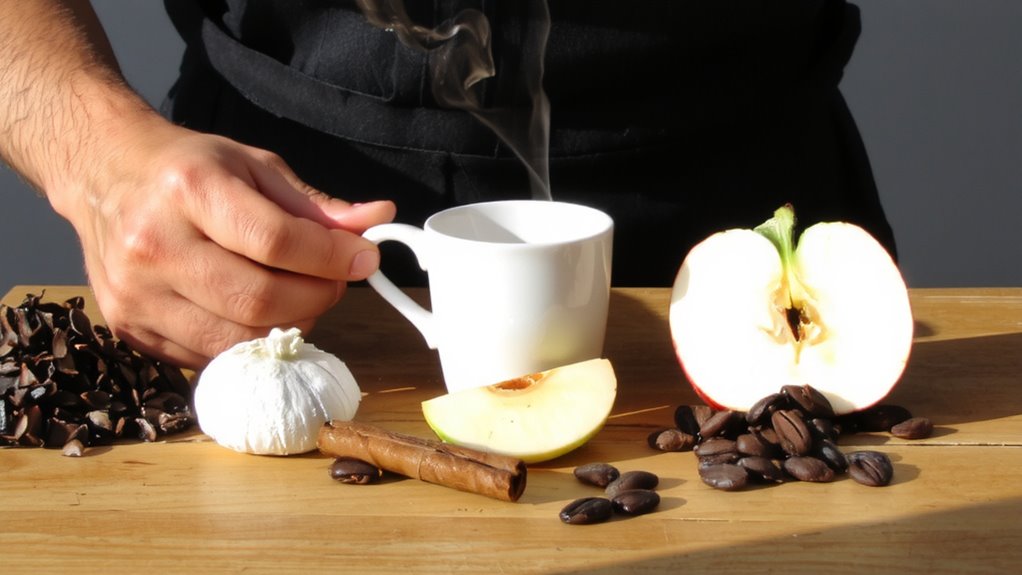
Tasting notes are the flavors and aromas you pick up when drinking coffee-think citrus, chocolate, nuttiness, or even floral hints-and they’re not just marketing fluff. These notes help you communicate what you’re sensing and make informed brewing choices. They’re shaped by coffee origins-beans from Ethiopia often have berry and floral tones, while Colombian beans lean toward caramel and nuts. Roast levels also shift the profile: lighter roasts preserve origin characteristics and bright acidity, while darker roasts bring out smoky, chocolatey notes but mute subtle details. As a barista, understanding this lets you adjust grind size, water temperature, or brew time to highlight specific flavors. Choosing between a light or medium roast, for example, impacts whether fruity notes shine or get overshadowed. You’re not just making coffee-you’re revealing its story. Knowing origins and roast levels gives you control over that outcome. Exploring these nuances becomes easier with hands-on experience from a coffee tasting kit.
Train Your Palate to Recognize Subtle Flavors
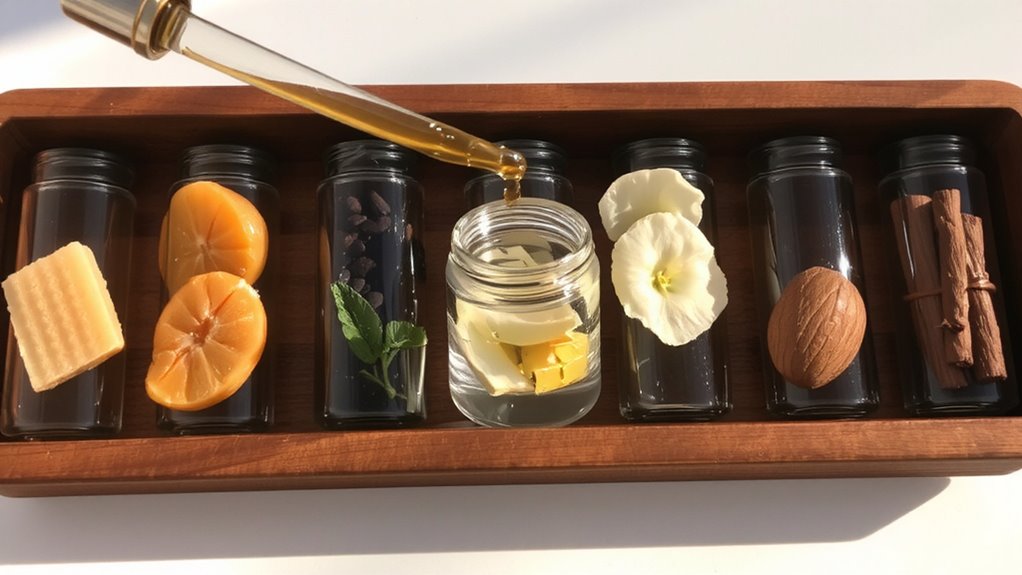
How do you start picking up on the faint hints of peach or the whisper of jasmine in your espresso when most people only taste “coffee”? Build your flavor memory through consistent tasting. Train your palate daily with varied foods-citrus, nuts, berries-and link them to specific coffee profiles. Track what you taste each time in a notebook to strengthen recall. Avoid palate fatigue by spacing tastings and drinking water between samples. Never evaluate more than 5–6 coffees in one session. Rest your palate if flavors start blurring. A great way to accelerate this training is by using coffee sensory kits designed specifically for identifying nuanced flavors in specialty coffee.
| Common Flavor | Found In |
|---|---|
| Citrus | Ethiopian light roast |
| Dark Chocolate | Sumatran medium-dark |
| Almond | Mexican washed beans |
| Honey | Costa Rican honey process |
| Jasmine | Light roast Kenyan |
Small, focused practice beats long, exhausting sessions every time.
Use the SCA Flavor Wheel to Name What You Taste
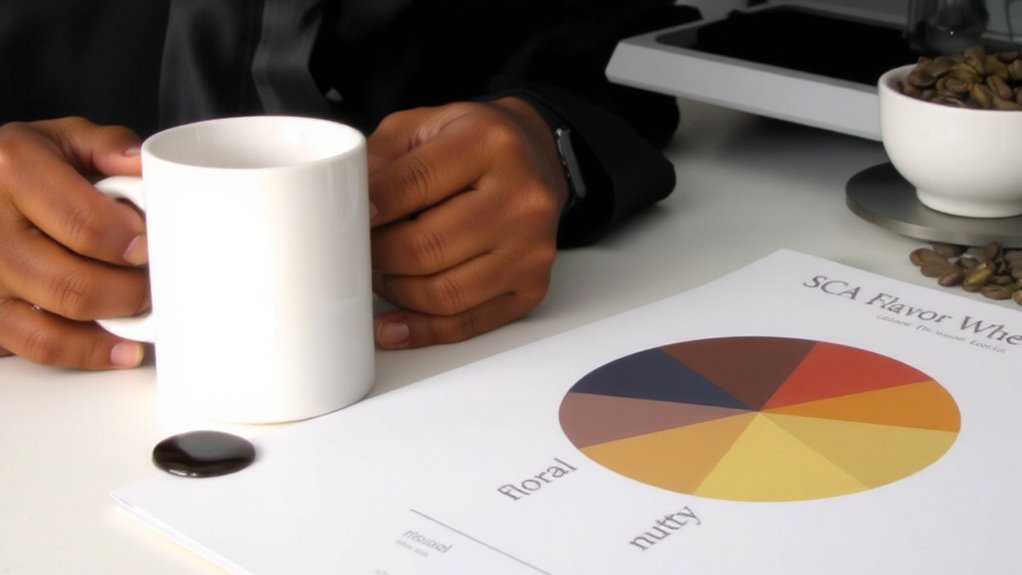
Think of the SCA Flavor Wheel as your map through the subtle language of coffee. It helps you pinpoint flavors with precision, moving from broad categories like “fruity” to specific notes like “blackberry” or “grape.” This tool is essential for flavor mapping, letting you trace sensations back to their root descriptors. Regular use aids in sensory calibration, training your palate to stay consistent and accurate over time. Start at the center and work outward-each ring adds nuance. It’s not about guessing but narrowing down what you actually detect. Use it daily with different brews, comparing across origins and roast levels. You’ll notice patterns, like how a washed Ethiopian often leans floral while a natural might read as fermented. Don’t force it; let the wheel guide you. With practice, naming what you taste becomes quicker, more reliable, and useful in real-world service or cupping.
Follow the Tasting Journey: Aroma to Aftertaste
While the first whiff of ground coffee gives you an early clue, the full tasting journey unfolds in stages-from aroma to aftertaste-each revealing distinct layers of flavor. You start with the dry and wet aroma, which hint at what’s to come. As you sip, flavors shift quickly on your palate, showing the coffee’s flavor evolution. Notes of citrus might brighten at first, then mellow into chocolate or nuts. Acidity, body, and sweetness balance as the taste develops. Once you swallow, the aftertaste lingers, sometimes introducing new tones not present before. Tracking these changes builds your sensory memory, helping you recognize patterns across brews. Practice this sequence consistently-smell, sip, chew the air, swallow, reflect-to train your palate. Over time, you’ll detect subtle shifts faster and name them with confidence. This structured approach beats guesswork and sharpens your tasting accuracy with every cup. For the most accurate and repeatable evaluations, consider using professional coffee cupping supplies to maintain consistency in your tasting process.
Why Origin and Roast Shape Coffee’s Flavor Profile
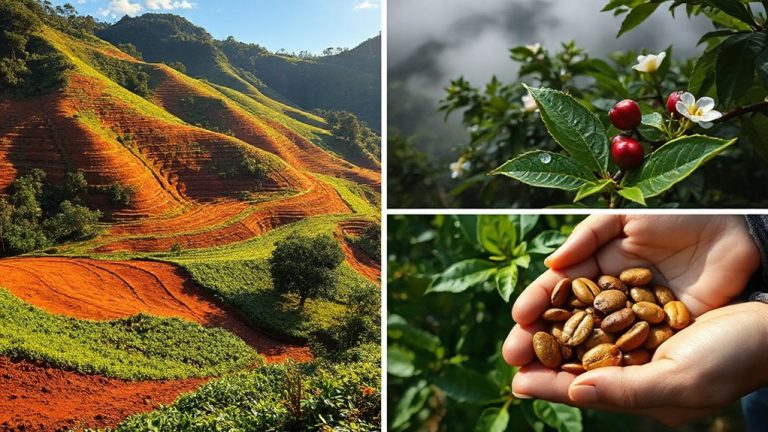
You’ve tracked the journey from aroma to aftertaste, learning how flavors unfold and evolve with each sip. Now you see how origin and roast shape what you taste. Terroir influence-soil, altitude, climate-lays the coffee’s foundation, giving Ethiopian beans floral notes or Colombians a balanced sweetness. Processing methods matter just as much: washed coffees taste cleaner, while natural or honey-processed ones bring out sweetness and complexity. Roast level then refines these traits. Light roasts preserve origin character and acidity; dark roasts emphasize body and roast-driven flavors like chocolate or smoke. Choose a light to medium roast for single-origins to highlight terroir influence. Use consistent roast profiles when comparing beans. A reliable roaster like the Hottop or Gene Café lets you control this precisely. Roast and origin aren’t just background-they’re tools you use to shape flavor deliberately.
Common Tasting Notes in Specialty Coffee (And What Causes Them)
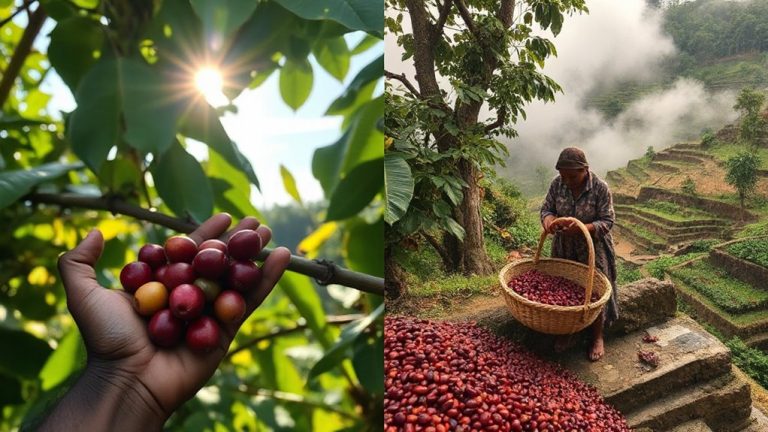
Flavor notes in specialty coffee aren’t just marketing fluff-they’re actual characteristics you can detect, shaped by biology, chemistry, and technique. You’ll often taste fruit, chocolate, nuts, or florals, depending on origin, varietal, and roast. Processing methods play a big role: washed coffees tend to be clean and bright, while natural and honey-processed ones often show bolder fruitiness due to extended fermentation processes. These fermentation processes break down mucilage and develop complex sugars, directly affecting sweetness and acidity. Honey-processed beans, for example, keep some mucilage during drying, boosting body and mild sweetness. Natural processing, with full fruit intact, often leads to intense berry notes. Washed beans offer clarity and high acidity, ideal for highlighting terroir. Each method has trade-offs: naturals risk over-fermentation if not monitored, while washed coffees demand more water and infrastructure. Knowing these helps you choose beans that match your brewing style and customer preference.
Cupping Techniques to Improve Tasting Accuracy
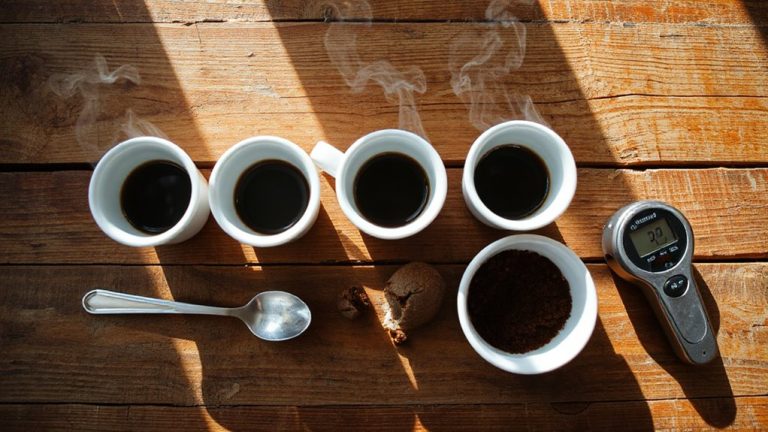
A proper cupping setup starts with consistency-use the same spoon, water temperature, and grind size every time to minimize variables. You’ll need a calibrated scale and a timer to guarantee accuracy. When evaluating, slurp loudly to aerate the liquid and spread it across your palate. Practice blind tasting regularly to eliminate bias-don’t let roast color or origin influence your judgment. This sharpens objectivity and strengthens your sensory calibration over time. Use the SCA aroma kit or known reference solutions to recalibrate your nose and palate weekly. Cup in a clean, neutral environment free from strong odors. Spit after each sample to keep your senses clear. Compare similar beans side by side to detect subtle differences. Rotate cupping order to avoid pattern recognition. With repetition, disciplined technique, and attention to detail, your accuracy improves-not just in identifying flavors, but in describing them with precision.
On a final note
You now have the tools to identify and describe coffee’s complex flavors with confidence. By using the SCA Flavor Wheel, practicing cupping regularly, and paying attention to origin and roast, you’ll sharpen your palate. Consistent technique matters-control variables like grind size and water temperature. Over time, subtle notes like citrus, chocolate, or jasmine become easier to spot, helping you brew better coffee and make smarter gear choices.