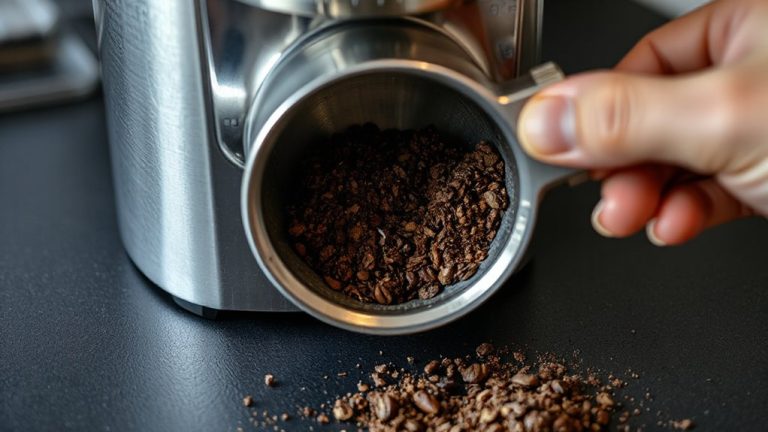
How Senegal’s Groundnut Zone Limits Coffee but Inspires Roasting Innovation
You can’t grow coffee at scale in Senegal’s Groundnut Zone-sandy, low-organic soils and long dry seasons favor peanuts over coffee, which needs richer, moist soil. But limited local beans pushed roasters to master small-batch techniques using repurposed peanut roasters or stovetop units, focusing on bold, smoky profiles. Dakar’s cafés now blend Ethiopian jebena methods with Wolof tastes, using imported beans and manual brew methods like moka pots. If you’re curious how artisans turn scarcity into precision, there’s more behind the craft.
Notable Insights
- Sandy, nutrient-poor soils in Senegal’s Groundnut Zone are unsuitable for coffee, which needs richer, acidic conditions.
- Long dry seasons and high heat hinder coffee growth, favoring drought-resistant groundnuts instead.
- Limited local coffee production led to creative roasting using repurposed peanut roasters and stovetop methods.
- Roasters developed bold, smoky profiles through small-batch precision to match Senegalese taste preferences.
- Imported beans are masterfully blended and roasted to create unique, layered flavors in Dakar’s artisan cafés.
Why Senegal Grows Peanuts, Not Coffee
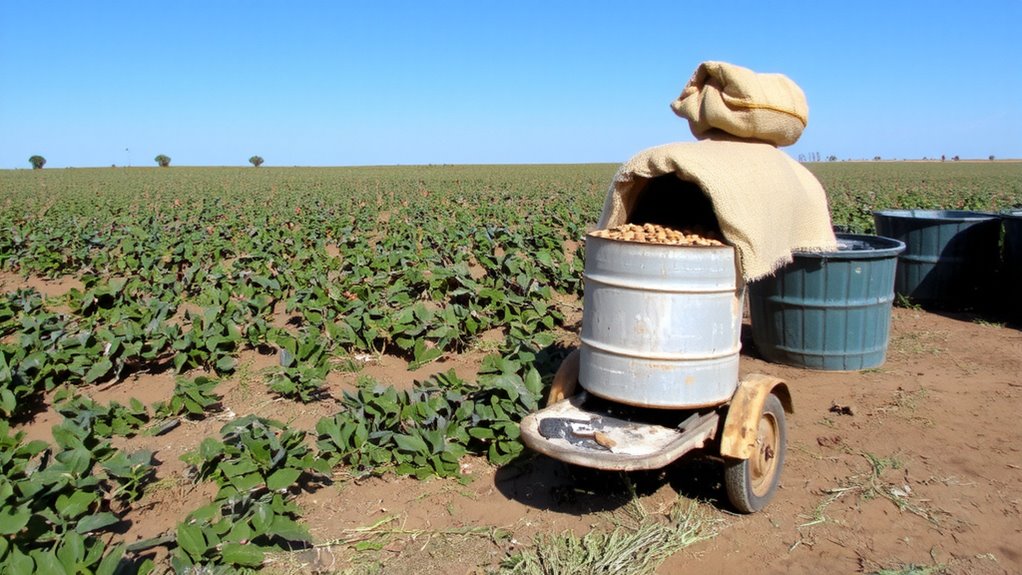
Agriculture in Senegal isn’t about what’s trendy-it’s about what grows. You’ll find peanuts dominating the fields, not coffee, and it’s no accident. The soil composition across the Groundnut Zone-sandy, well-drained, low in organic matter-favors peanut cultivation, which thrives in these conditions. Coffee, on the other hand, needs richer, more acidic soils and consistent moisture, neither of which this region reliably offers. Climate suitability seals the deal: Senegal’s long dry season and high temperatures suit drought-resistant groundnuts but hinder coffee berry development, which demands steady rainfall and cooler altitudes. You won’t see coffee farms here because the environment simply doesn’t support them. Instead, farmers focus on crops matched to local conditions. That practical mindset-choosing what works-shapes agriculture across the region. It’s not about preference. It’s about working with what you’ve got.
How Scarcity Fueled a Coffee Roasting Movement
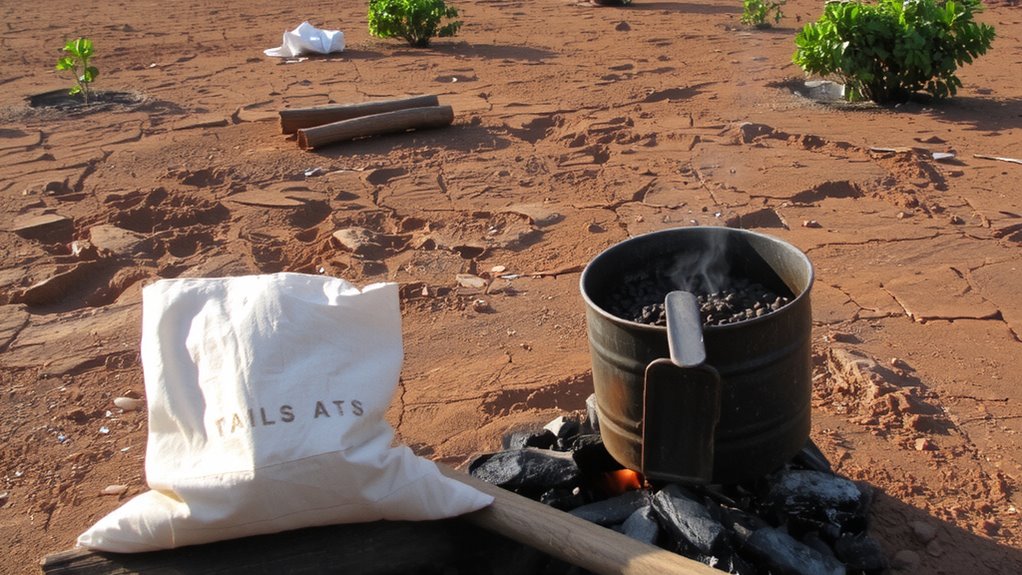
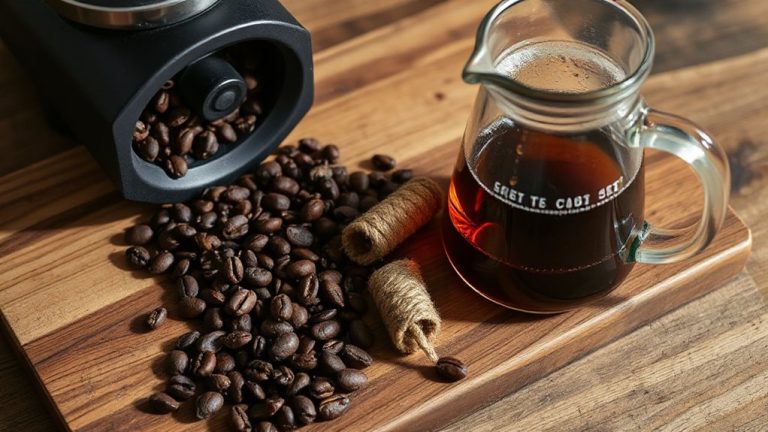
You won’t find coffee growing in Senegal’s Groundnut Zone, but that hasn’t stopped the country from building a vibrant coffee culture-just not the way you might expect. Bean scarcity forced local roasters to adapt, turning limitation into innovation. Without reliable access to fresh green beans, roasters began experimenting with small batches, maximizing flavor from limited stock. This scarcity sparked roast creativity, pushing artisans to refine profiles using modest equipment-like repurposed peanut roasters or modified stovetop units. Light, medium, and dark roasts are tested meticulously, often adjusted for local tastes that favor bold, smoky notes. Unlike commercial setups, these methods prioritize control and flexibility over volume. You’ll find that many roasters now blend imported beans to stretch supply, using precise temperature logs and timing to guarantee consistency. The result? A practical, resource-driven approach to roasting that values skill and adaptation over abundance-proving that innovation thrives even where beans don’t. For those seeking quality origins, selecting the right best specialty green coffee beans can make all the difference in small-batch roasting success.
Dakar’s Cafés: Where Senegalese Coffee Culture Thrives
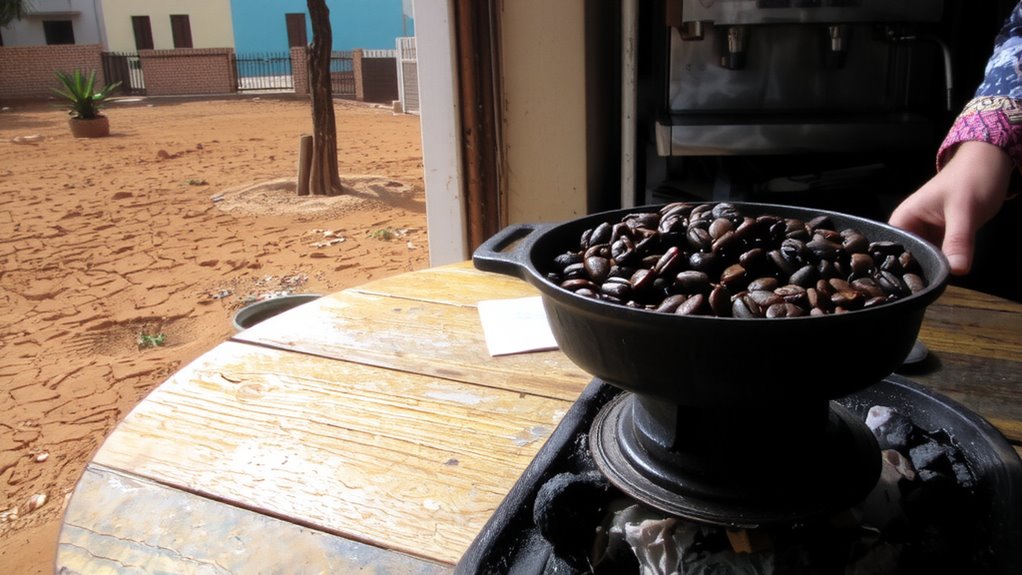
While coffee isn’t grown in Senegal, Dakar’s cafés have become the heart of a thriving coffee culture shaped by resourcefulness and local taste. You’ll find artisan cafés across the city, from downtown Parcelles Assainies to upscale Almadies, where baristas use locally sourced milk and spices to craft unique drinks. These spots often host coffee ceremonies, blending Ethiopian traditions with Wolof customs, using jebena-style pots and roasted beans ground fresh. Equipment leans toward manual pour-over setups and stovetop moka pots-affordable, durable, and effective in humid climates. Some cafés use electric grinders and espresso machines, but they’re less common due to cost and maintenance. You’ll notice most serve strong, sweetened brews preferred locally, often paired with beignets or bissap. Whether in a tucked-away courtyard or a busy street stall, Dakar’s cafés offer practical, accessible experiences built on imported beans and homegrown pride.
Senegal’s Roast Masters: Blending Imports With Local Flavor
Though Senegal doesn’t grow coffee, its roast masters have turned imported beans into something distinct by tailoring every step to local tastes. You’ll find they blend Central American brightness with West African warmth, balancing acidity with a hint of smokiness from local spices. Roasters like those in Dakar’s artisan circles monitor temperature closely, using compact drum roasters for precision. They don’t just roast-they compose, turning batches into coffee poetry through subtle adjustments. The scent of roasting beans often fills the air as café music plays low, setting a rhythm that guides the process. These soundscapes aren’t just background-they help roasters time steps and track development. While some prefer automatic controls, others rely on instinct honed over years. Whether using a Probat roaster or a modified local setup, consistency matters most. You can taste the craftsmanship, not in hype, but in clean, layered cups served daily. For those seeking similar precision, selecting the best drum roasters can make a significant difference in achieving consistent, high-quality results.
Signature Roasting Techniques From Senegalese Artisans
A careful dance of heat and timing defines Senegal’s signature roasting approach. You control the drum roasters with precision, adjusting temperature in real time to match each batch’s needs. Bean sourcing matters-since most beans are imported, roasters prioritize quality green beans from Ethiopia or Colombia to guarantee consistency. You’ll find artisans rely on small-batch roasting, allowing closer attention to flavor profiling, especially when blending in local spices like ginger or clove. Roast profiles tend toward medium, preserving acidity while developing body, ideal for both drip and traditional ibrik-style brewing. Unlike industrial methods, this hands-on process lets you tweak airflow and duration based on humidity and bean density. Some use Loring roasters for efficiency, but most stick to Probat or custom cast models. Your roast choices directly shape sweetness, bitterness, and aroma complexity-key for balancing imported beans with Senegalese tastes. Beginners exploring this craft can start with best coffee roasters for beginners that offer控 temperature control and batch tracking.
The Future of Coffee in Senegal’s Peanut Belt
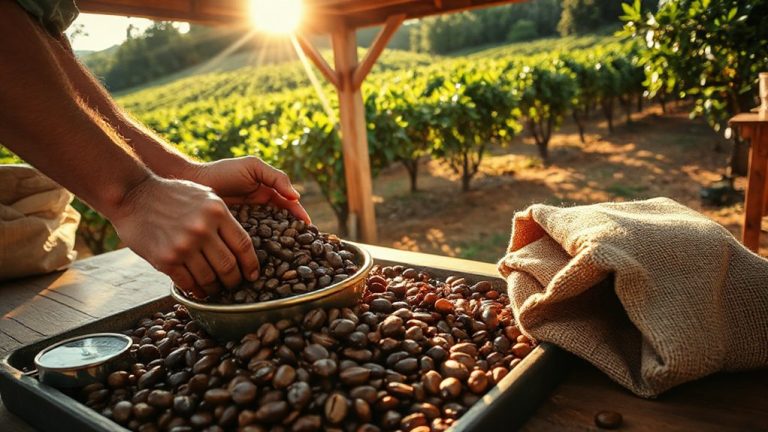
What if the heart of Senegal’s groundnut farming could become a hub for homegrown coffee production? You’re already seeing small trials where farmers test drought-resistant coffee varieties suited to the peanut belt’s soil. Climate adaptation isn’t optional here-rising temperatures and shifting rains make traditional imports unreliable. By growing coffee locally, Senegal can reduce its dependence on foreign beans and boost import diversification. You’ll notice cooperatives now using raised beds and mechanical dryers, improving bean quality. While yields are low today, improved irrigation and shade-grown plots show promise. You don’t need high-end gear yet-basic pulping machines and solar dryers work well on small farms. Roasters in Thiès already blend local beans with imported ones, balancing flavor and cost. It’s not about replacing imports overnight, but building resilience. For you, that means fresher beans, stronger supply chains, and a new chapter in Senegalese agriculture rooted in practicality, not hype.
On a final note
You won’t find coffee farms in Senegal’s groundnut zone, but that hasn’t stopped Dakar’s roasters from building a vibrant coffee scene. They import beans from Ethiopia and Burundi, then apply precise, small-batch roasting to highlight local tastes. Artisans use drum roasters for control, favoring medium roasts to balance brightness and body. This hands-on approach, fueled by scarcity and creativity, gives you fresh, thoughtful coffee-proving origin isn’t everything when skill and intention shape the cup.